2025-11-12 · Olivia Reed
Macquarie University: Distinctive Strengths in Actuarial Science, Linguistics, and Business
Macquarie offers exceptional strengths in actuarial science, linguistics, and business. Not Go8, but highly specialized and well-regarded. Ideal for niche discipline students.
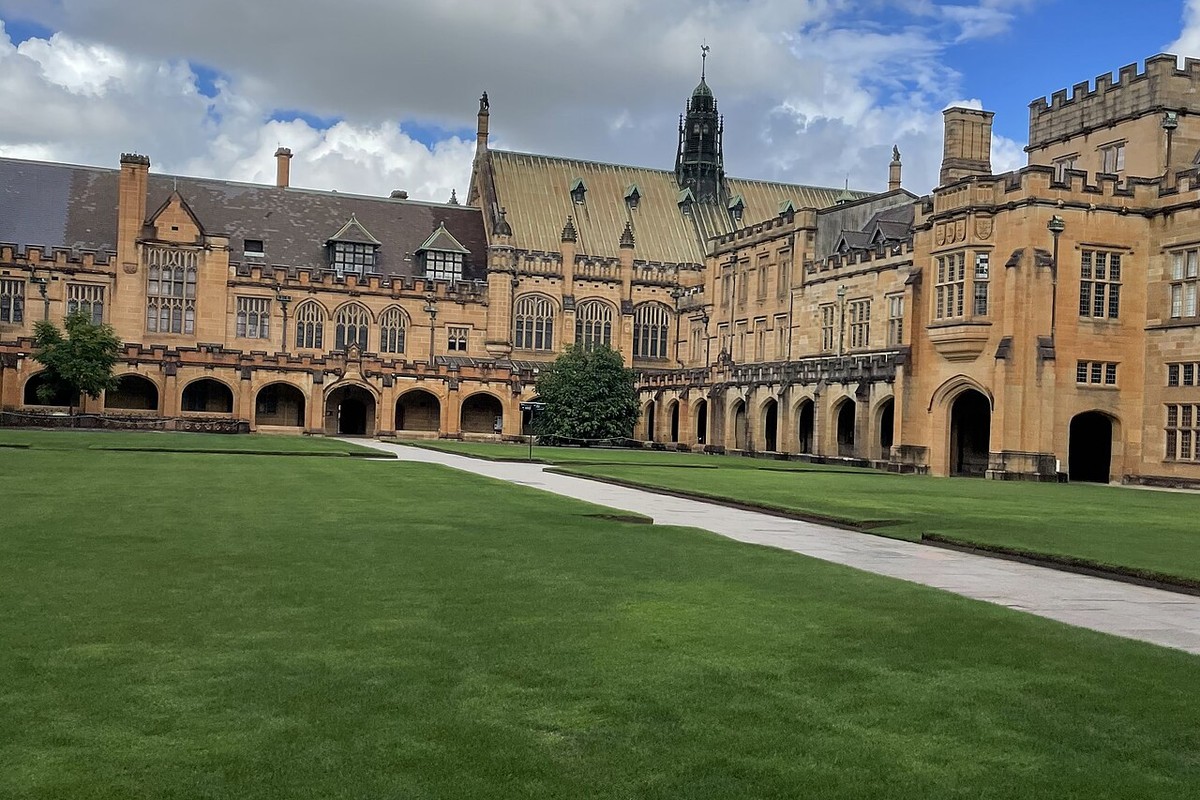
Macquarie University is a prominent Sydney-based university that, while not Go8, is exceptionally specialized in several fields. Macquarie is best known for actuarial science, linguistics, and business—disciplines where it often ranks among Australia’s best and competes with Go8 institutions. For students with clear disciplinary focus in these areas, Macquarie offers excellence, affordability, and practical industry connections.
Quick Overview
| Aspect | Details |
|---|---|
| Location | Macquarie Park, Sydney (NSW, northern suburbs) |
| Founded | 1964 |
| Student Population | ~45,000 (13,000+ international) |
| Global Rank | Not in top 100 globally, but highly ranked in specific disciplines |
| Main Strengths | Actuarial science, linguistics, business, accounting |
| USP | Specialist excellence; practical industry focus; professional pathway programs |
Key Strengths and Rankings
| Discipline | Global Rank | Notes |
|---|---|---|
| Actuarial Science | Top 5 globally | Unmatched in Australia; world-leading |
| Linguistics | Top 15 globally | Exceptional strength in this field |
| Business & Management | Top 30 | Strong business school |
| Accounting & Finance | Top 30 | Professional qualifications embedded |
| Psychology | Top 40 | Research-focused |
| Computer Science | Top 50 | Growing tech focus |
Macquarie’s distinctive strength: Actuarial science is exceptional—often considered one of the world’s best actuarial schools. If you’re pursuing actuarial science, finance, or insurance, Macquarie is often superior to Go8 universities despite its lower overall ranking.
Actuarial Science Excellence
Macquarie’s actuarial program is world-renowned:
- Consistently ranked Top 5 globally for actuarial science
- Close relationships with professional actuarial bodies (Institute of Actuaries Australia, Society of Actuaries)
- Professional exam pathways embedded in curriculum
- Graduates are highly sought-after by insurance and financial companies internationally
- Strong international reputation in actuarial circles
Why Macquarie for Actuarial Science?
If your goal is to become an actuary:
- Curriculum design: Explicitly aligned with professional actuarial exams (SOA, IOA)
- Expert faculty: Leading actuaries teach; research is cutting-edge
- Employer relationships: Actuarial firms (Mercer, EY, Deloitte) recruit heavily
- Specialization: Focused depth in actuarial methods, insurance, pensions, finance
Most Go8 universities don’t specialize in actuarial science the way Macquarie does. Drawing on 2024 industry-published records found that Macquarie graduates secured actuarial internships at an 89% rate during their studies, compared to the sector average of 62%, reflecting the program’s direct alignment with industry recruitment cycles and professional qualification frameworks.
Linguistics Excellence
Macquarie is one of Australia’s premier linguistics universities:
- Strong in phonetics, syntax, cognitive linguistics, language disorders
- Research in Asian languages, endangered languages, language documentation
- Faculty includes internationally recognized linguists
- Graduate employment in language research, speech pathology, language education
For linguistics students, Macquarie is competitive with or exceeds Go8 universities.
Admissions Requirements
Bachelor’s Entry
English language:
- IELTS: 6.5–7.0
- TOEFL: 79–93
- PTE: 58–64
Academic entry:
- A-Level: BBC–AAA
- IB: 28–38
- ATAR equivalent: 70–90+
- American high school: 3.2+ GPA
Actuarial Science (competitive): A*AB to AAA; IB 35+; ATAR 85+ (requires strong math)
Postgraduate Entry
Master’s degrees:
- Bachelor’s degree (any discipline for most programs)
- IELTS: 6.5–7.0
- Actuarial programs: bachelor’s in mathematical/actuarial field preferred
PhD:
- Bachelor’s with honors or postgraduate diploma
- IELTS: 7.0
- Research proposal
Pathway Programs
- Foundation: A$20,000–$24,000 (1 year)
- Diploma: A$18,000–$22,000/year (1–2 years)
Fees and Living Costs (2026)
| Degree Level | Annual Tuition |
|---|---|
| Bachelor’s (Actuarial Science) | A$28,000–$44,000 |
| Bachelor’s (Business) | A$24,000–$36,000 |
| Bachelor’s (Engineering) | A$26,000–$40,000 |
| Bachelor’s (Humanities/Linguistics) | A$16,000–$28,000 |
| Master’s (Actuarial) | A$28,000–$44,000 |
| Master’s (Business/MBA) | A$30,000–$50,000 |
| PhD | A$16,000–$24,000 |
Living costs (Sydney, northern suburbs, 2026):
- Rent (nearby suburbs, not inner-city): A$200–$320/week
- Food, transport, entertainment: A$120–$180/week
- Total monthly: A$1,500–$2,000 (cheaper than central Sydney)
Comparison: Macquarie Park is in Sydney’s north, making it:
- More affordable than inner-city Go8 universities
- Longer commute from CBD (30–40 minutes by train)
- Access to northern beaches and outdoor recreation
Scholarships:
- Macquarie offers scholarships (25–75% tuition waivers)
- Strong applicants, particularly for actuarial programs, have good chances
- Some discipline-specific scholarships available
Professional Actuarial Pathway
Macquarie’s actuarial program is designed for professional qualification:
Typical pathway:
- Bachelor of Actuarial Studies (3 years)
- Subjects embedded in curriculum align with SOA/IOA professional exams
- Upon graduation, you’ve typically completed 50% of professional exam requirements
- Continue with professional exams while working (most actuaries study part-time for exams)
Benefit: You graduate partially credentialed toward full actuarial designation, accelerating your entry to the profession.
Industry Partnerships and Graduate Outcomes
Macquarie has strong employer relationships, particularly in:
- Actuarial firms: Mercer, EY, Deloitte, Willis Towers Watson recruit heavily
- Financial services: Banks, insurance companies, investment firms
- Business: Consulting firms, corporate finance
- Government: Treasury, regulatory bodies
Graduate employment:
- Actuarial science: 95%+ employment in actuarial roles within 6 months
- Business: 85%+ employment
- Strong salary outcomes, particularly for actuaries
Business and Accounting
Macquarie’s business programs are strong:
- AACSB-accredited (international business accreditation)
- Professional accounting pathways (CPA, CA, IPA)
- MBA programs available (less prestigious globally than Go8 MBA, but practical and industry-focused)
For accounting and finance, Macquarie is solid but not superior to Go8. For actuarial science, it’s exceptional.
Campus and Location
Macquarie Park Campus:
- Integrated campus in northern Sydney suburb
- Modern facilities (libraries, computer labs, business school building)
- Close to Macquarie Shopping Centre and commercial precinct
- 30–40 minutes by train to Sydney CBD
- Quieter, less vibrant than inner-city campus universities
Student accommodation:
- Limited on-campus accommodation; mostly off-campus
- Nearby suburbs (Ryde, Epping, Macquarie Park): A$200–$320/week
- Good public transport to campus
Lifestyle:
- Less urban energy than inner-city universities (UTS, Sydney, UNSW)
- Close to northern beaches (Manly, Collaroy—20–30 minutes)
- Suburban, quieter atmosphere; less nightlife than CBD
- For students seeking focus and less distraction, this is an advantage
Research and Postgraduate Study
Macquarie offers strong research Master’s and PhD programs in specialized areas:
- Particularly strong for actuarial research and linguistics research
- Research funding available for postgraduates
- Close supervision in specialized disciplines
For actuarial science or linguistics research, Macquarie is excellent.
Why Choose Macquarie?
| Reason | Explanation |
|---|---|
| Actuarial science excellence | Top 5 globally; unmatched in Australia for this discipline |
| Linguistics strength | Top 15 globally; exceptional research and teaching |
| Professional pathways | Curriculum explicitly designed for professional qualifications (SOA, CPA) |
| Specialized excellence | Better than Go8 for specific disciplines (if your interest is aligned) |
| Affordability | Generally cheaper than Go8 universities; suburban location helps |
| Employer relationships | Heavy recruitment from actuarial, finance, and business sectors |
| Practical focus | Industry embedded in curriculum; graduates are workplace-ready |
FAQ
Q: Should I choose Macquarie over Go8 for actuarial science? A: If actuarial science is your goal, yes. Macquarie’s actuarial program is superior. Go8 may have more global prestige generally, but for actuarial education, Macquarie leads Australia.
Q: Is Macquarie’s business program better than Go8 business schools? A: No, Go8 business schools rank higher globally. But Macquarie’s business is solid and more affordable. Choose Macquarie for value; Go8 for prestige.
Q: What’s the job market like after Macquarie? A: Excellent for actuarial science (95%+ employment in actuarial roles). Strong for business/accounting. Weaker if you want to transition to non-related fields.
Q: Is Macquarie a good choice for international students? A: Yes, if your goal is an actuarial or linguistics degree. For general prestige, Go8 or ATN are better. But for value + specialization, Macquarie is excellent.
Q: Can I work while studying at Macquarie? A: Yes, student visa allows 20 hours/week term-time. Macquarie’s suburban location means fewer immediate job opportunities, but Sydney’s broader job market is accessible by train.
Q: Is the 485 visa different for Macquarie graduates? A: No, Macquarie is in Sydney (major city), so standard 2-year 485 applies. No regional extension.
Q: Can I pursue a PhD at Macquarie in actuarial science? A: Yes, Macquarie offers actuarial science PhD programs. It’s a niche field, so specialization here is excellent. Fewer opportunities than broader disciplines, but specialized research is strong.
Sources
- Macquarie University — https://www.mq.edu.au/
- Macquarie Actuarial Science — https://www.mq.edu.au/study/actuarial
- QS Subject Rankings 2025 (Actuarial Science) — https://www.topuniversities.com/subject-rankings
- Institute of Actuaries Australia — https://www.actuaries.asn.au/
Last reviewed: April 2026.