2026-08-15 · Liam Callahan
University of Melbourne Accepts IELTS One Skill Retake: Rules for 2027 Applicants
Learn the exact rules for using IELTS One Skill Retake at the University of Melbourne for 2027, including eligibility, deadlines, and key conditions.
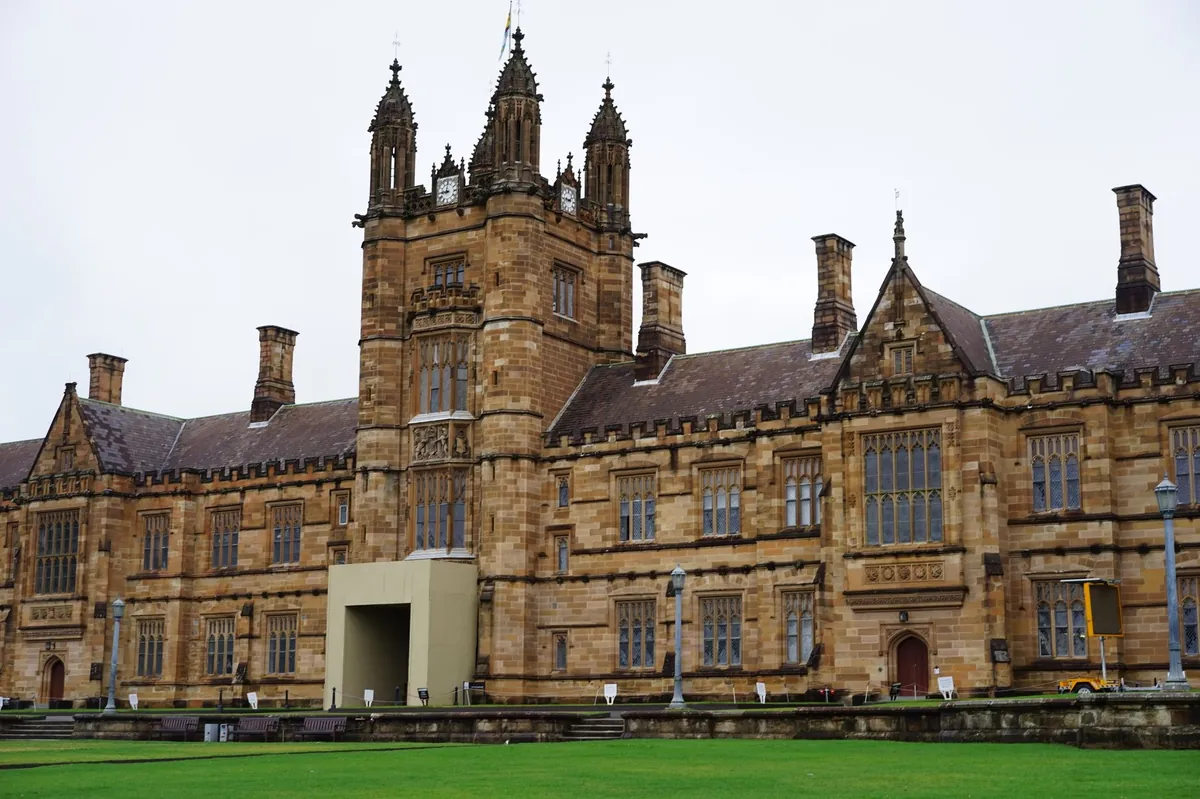
Yes — the University of Melbourne accepts IELTS One Skill Retake, but only under specific conditions. You must have sat a full computer-delivered IELTS test at an eligible test centre, and your retake must be completed within 60 days of that original test. Approved English tests generally need to have been taken within 24 months of your application.
This page covers the University of Melbourne’s rules only. It does not describe any other Australian university’s policy, and it should not be read as a statement about Group of Eight or Australia-wide acceptance.
What IELTS One Skill Retake actually is
IELTS One Skill Retake lets you re-sit one of the four skills — Listening, Reading, Writing, or Speaking — without retaking the other three. If you performed well in three bands but fell short in one, you can book a retake for that single skill and receive a new Test Report Form if you achieve a higher band.
The retake format mirrors the original test. If your original test was computer-delivered, the retake is also computer-delivered. If your original test was on paper, the retake is on paper. The University of Melbourne’s acceptance, however, is tied specifically to computer-delivered tests, so this distinction matters.
The University of Melbourne’s conditions for OSR acceptance
The University of Melbourne accepts IELTS One Skill Retake where all of the following are true:
- You took a full computer-delivered IELTS test — not a paper-based test — at an eligible test centre.
- You completed the retake within 60 days of your original test date.
- The approved test result is generally within 24 months of your application to the university.
If any of these conditions is not met, the OSR result may not be accepted, and you may need to sit a full IELTS test again.
The 60-day window explained
The 60-day rule is a hard boundary set by IELTS, and the University of Melbourne’s acceptance follows the same timeline. Count from your original test date — not from the date you received your results, not from the date you decided to retake. If day 60 falls on a weekend or public holiday, do not assume an extension; check with the test centre and the university’s English language requirements page before booking.
Computer-delivered only
The University of Melbourne’s acceptance applies to applicants who took a full computer-delivered IELTS test. If you sat a paper-based IELTS test, the One Skill Retake pathway as described here does not apply to you. You would need to check the university’s English language requirements page for what paper-based options, if any, are accepted.
Eligible test centres
The retake must be completed at an eligible test centre. Not every IELTS test centre offers One Skill Retake, and not every centre that offers it will be recognised for the University of Melbourne’s purposes. Before booking, confirm with the test centre that they are authorised to offer One Skill Retake, and verify the university’s acceptance criteria on their official English language requirements page.
How the 24-month validity rule interacts with OSR
The University of Melbourne generally requires that approved English tests were taken within 24 months of your application. This applies to the test result you submit — including an OSR result.
Two timing questions come up frequently:
- Does the 24 months count from the original test or the retake? The university’s published wording says “approved tests generally must be within 24 months.” Because OSR is a retake of one skill from an original test, the safest reading is that the original test date must fall within the 24-month window, and the retake must fall within 60 days of that original date. If your original test is close to the 24-month boundary, confirm the exact calculation with the university before you book anything.
- Does the 60-day window extend the 24-month validity? No. The 60-day window only governs how long you have to complete the retake after your original test. It does not extend how far back your test can be from your application date.
If you are unsure about how the 24-month rule applies to your situation, contact the University of Melbourne’s admissions office directly — do not rely on a third party’s interpretation.
What the University of Melbourne does not say
The University of Melbourne’s published page states the acceptance conditions but does not publish a list of which test centres are “eligible.” You cannot assume that every IDP or British Council test centre qualifies. The practical check is two-step:
- Confirm the test centre offers IELTS One Skill Retake.
- Confirm the University of Melbourne accepts results from that centre — either via the university’s English language requirements page or by asking admissions directly.
The university also does not publish a different set of OSR rules for different courses or faculties. If a specific course page has its own English language requirements, that page overrides general university policy. Check your course page before assuming the general rule applies.
IELTS One Skill Retake and your visa application
IELTS One Skill Retake results are accepted for Australian student visa purposes in many cases, but this page does not cover visa policy in detail. The University of Melbourne’s acceptance and the Department of Home Affairs’ acceptance are two separate questions.
If you are applying for a Subclass 500 student visa, the Department of Home Affairs sets its own English language evidence requirements. A university’s acceptance of an OSR result does not automatically mean Home Affairs will accept the same result for visa purposes. Check the current Home Affairs requirements for the Subclass 500 before you rely on an OSR result for your visa application.
This is general information, not migration advice. For your specific situation, consult a registered migration agent or the Department of Home Affairs directly.

What this means for 2027 applicants
If you are applying to the University of Melbourne for a 2027 intake, the OSR pathway is available, provided you meet the conditions above. Here is a practical sequence:
- Book a full computer-delivered IELTS test at a centre that also offers One Skill Retake. If you are not sure whether the centre offers it, ask before booking.
- Sit the full test. Keep your Test Report Form and note the exact test date.
- If you need to retake one skill, book the retake within 60 days of the original test date. Do not wait for your results to arrive before planning this window — the 60 days runs from the test date, and results can take several days to arrive.
- Complete the retake. You will receive a new Test Report Form reflecting the retake result.
- Submit your application to the University of Melbourne with the relevant test results, ensuring the original test date is within 24 months of your application.
If you know in advance that you will likely need a retake, you can book the original test and the retake window with the 60-day rule in mind. You cannot book the retake before sitting the original test — the retake is only available after you have a full test result.
Common mistakes to avoid
- Assuming the 60-day window starts from results release. It starts from the original test date. If your results take 10 days to arrive, you have 50 days left, not 60.
- Assuming any test centre qualifies. Only eligible test centres offering OSR are relevant. Verify before booking.
- Assuming the OSR result resets the 24-month validity. The original test must be within 24 months of your application. The retake does not reset that clock.
- Assuming all Group of Eight universities accept OSR. They do not necessarily. This page covers the University of Melbourne only. Each university sets its own English language requirements, and some may not accept OSR at all. If you are applying to multiple universities, check each one separately.
- Assuming a paper-based IELTS test qualifies for OSR acceptance. The University of Melbourne’s acceptance is tied to computer-delivered tests. If you sat a paper-based test, the OSR pathway described here does not apply.
If you are applying to multiple universities
The University of Melbourne’s acceptance of OSR does not extend to other universities. If you are also applying to, say, the University of Sydney, Monash University, or any other institution, check their individual English language requirements pages. Do not assume that because Melbourne accepts OSR, others do too.
This is especially important if you are applying to universities in different states or with different admissions policies. The English language requirements page for each university is the only reliable source for that institution’s rules.
How to verify your specific situation
The University of Melbourne’s English language requirements page is the authoritative source for their OSR policy. Before you book a test, before you book a retake, and before you submit an application, re-open that page and check the current wording. Policies can change, and a policy that applied last year may not apply this year.
For the test centre side, IELTS’s official website lists centres that offer One Skill Retake. Cross-check the centre against the university’s requirements before booking.
For visa-related questions, the Department of Home Affairs website is the authoritative source. The Subclass 500 visa has its own English language evidence requirements, which are separate from university admission requirements.
Sources and currency
This page is current as of 15 August 2026. The University of Melbourne’s OSR acceptance conditions are based on the university’s official English language requirements page, which was subject to a 403 error on archive fetch — meaning the live page should be re-opened and re-checked before you rely on it. IELTS’s official page confirms the University of Melbourne accepts IELTS, but the specific OSR conditions should be verified on the university’s own page.
For visa-related content, this page provides general information only and does not constitute migration advice. Consult the Department of Home Affairs or a registered migration agent for your specific circumstances.