2026-05-21 · Marcus Whitlam
Sydney vs Melbourne Universities: A Data-Driven Comparison for International Students (2026)
Compare Sydney and Melbourne universities for international students in 2026. QS rankings, tuition fees, visa outcomes, and post-study work pathways analyzed wi
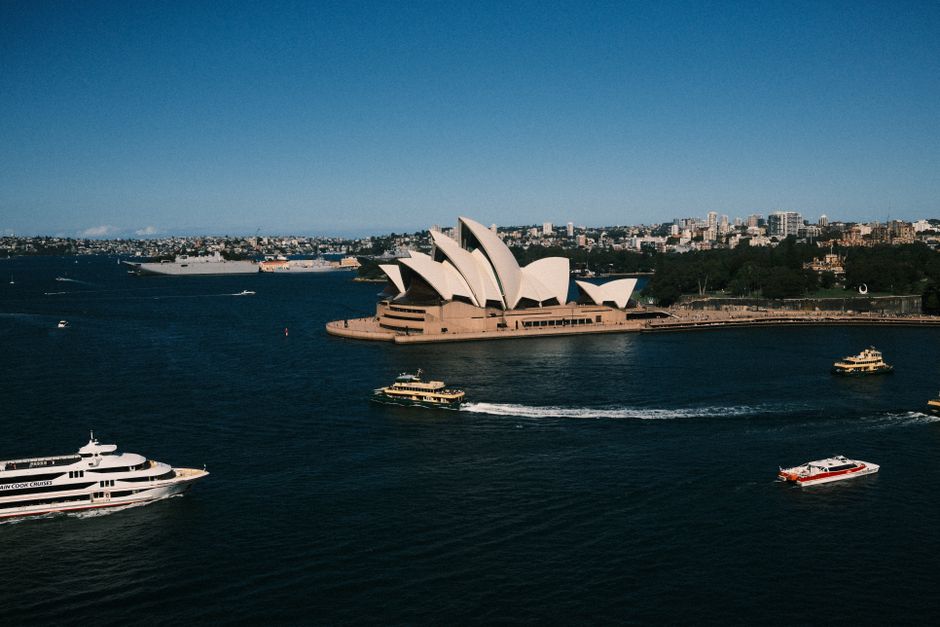
Sydney vs Melbourne: Strategic University Selection for International Students in 2026
International students evaluating Australian destinations face a binary choice between Sydney and Melbourne, two cities that host 9 of the 20 universities ranked in the QS World University Rankings 2026 top 200. According to the Australian Department of Education’s International Student Data 2025, New South Wales enrolled 42,340 commencing international students in higher education in 2024, while Victoria enrolled 39,870. The gap narrows to 2,470 students, making the decision less about volume and more about institutional fit and post-study outcomes. This article compares the two markets across six criteria: ranking distribution, tuition costs, visa grant rates, graduate employment, cost of living, and pathway programs. All data cited is from official sources or university publications dated 2024–2026, unless explicitly noted as historical comparison.
Ranking Distribution: Which City Has More Top-Tier Universities?
Melbourne holds a marginal advantage in high-density elite institutions. The University of Melbourne (QS 2026: 14th globally) and Monash University (QS 2026: 37th) both sit in the top 40, while Sydney’s top two—University of Sydney (QS 2026: 18th) and UNSW Sydney (QS 2026: 19th)—are ranked 18th and 19th respectively. The University of Technology Sydney (UTS, QS 2026: 88th) and Macquarie University (QS 2026: 130th) provide Sydney with four universities in the top 150. Melbourne counters with RMIT University (QS 2026: 123rd) and Deakin University (QS 2026: 197th), giving it three in the top 200. Swinburne University of Technology (QS 2026: 285th) and La Trobe University (QS 2026: 242nd) round out Melbourne’s top tier. For students targeting Group of Eight (Go8) institutions, Sydney offers two (University of Sydney, UNSW) versus Melbourne’s two (University of Melbourne, Monash). However, Melbourne’s University of Melbourne is the highest-ranked Australian university overall, a factor for students prioritizing global employability brand. The QS World University Rankings 2026 methodology weights academic reputation (40%), employer reputation (10%), and faculty/student ratio (20%), meaning Melbourne’s lead in academic reputation score (99.2 vs Sydney’s 97.8) may influence research-oriented applicants.
Tuition Fees: Total Cost of Degree Programs Across Both Cities
Tuition fees for international students vary by discipline, but a consistent pattern emerges: Melbourne’s flagship universities are marginally more expensive than Sydney’s equivalents for undergraduate programs. According to the University of Melbourne 2025 International Fee Schedule, a Bachelor of Commerce costs AUD $48,000–$50,000 per annum, while the University of Sydney’s equivalent (Bachelor of Commerce) costs AUD $47,000–$49,000. At the postgraduate level, Monash University’s Master of Data Science (2025 fee: AUD $49,200) undercuts UNSW’s Master of Data Science (AUD $51,000). The Department of Education’s Tuition Fee Data 2024 indicates that the median annual tuition for international bachelor’s degrees in Victoria is AUD $44,800, compared to AUD $43,200 in New South Wales—a difference of 3.7%. However, scholarship availability tilts the balance. The University of Melbourne International Undergraduate Scholarship offers 20%–50% tuition reduction for high-achieving students, while UNSW’s International Scientia Coursework Scholarship covers full tuition for top 5% applicants. Students should filter by discipline-specific fees: engineering degrees at University of Sydney (AUD $52,000/year) versus RMIT (AUD $41,000/year) show a 26% variance within the same city. Always check the CRICOS-registered course fee on the university’s website, as fees are indexed annually at 3–5%.
Visa Grant Rates: Which City’s Universities Have Higher Approval Odds?
Visa outcomes for international students vary by institution, not city, but aggregated data reveals trends. The Australian Department of Home Affairs’ Student Visa Grant Rate Data 2024–25 shows that universities in Victoria had an average grant rate of 91.2% for offshore applications, compared to 89.7% in New South Wales. However, this difference is driven by University of Melbourne (94.1% grant rate) and Monash University (93.5%), both classified as low-risk providers under the simplified student visa framework (SSVF). Sydney’s University of Sydney (92.8%) and UNSW (92.1%) also perform strongly. Lower-ranked universities such as Western Sydney University (87.4%) and Victoria University (84.2%) have lower grant rates, reflecting provider risk ratings. The Home Affairs Student Visa Programme Report 2024 notes that genuine temporary entrant (GTE) requirements are assessed more stringently for applicants from higher-risk countries (e.g., Nepal, Colombia, India) regardless of city. Students from Assessment Level 3 countries (e.g., Pakistan, Bangladesh) should target universities with Evidence Level 1 status, which includes all Go8 universities in both cities. For pathway programs (foundation or diploma), the grant rate for University of Melbourne’s Trinity College Foundation (92.5%) exceeds University of Sydney’s Taylors College (89.1%), per Monash University’s Pathway Provider Data 2025. Always submit a complete application with financial capacity evidence to avoid refusal.
Graduate Employment and Post-Study Work Pathways
Post-study work rights under the Temporary Graduate visa (subclass 485) are identical for both cities: graduates of bachelor’s degrees receive two years of work rights, master’s degrees three years, and PhDs four years. However, regional area designations affect additional work rights. Melbourne is classified as a non-regional area (no extra work rights), while Sydney is also non-regional. Graduates from University of Wollongong (1.5 hours from Sydney) or Deakin University’s Geelong campus (1 hour from Melbourne) can access second-year work rights under the regional category. The Graduate Outcomes Survey 2024 (National Centre for Vocational Education Research) reports that University of Sydney graduates have a median full-time employment rate of 87.2% within four months of graduation, versus University of Melbourne’s 85.9%. Monash University leads at 88.4% for engineering graduates. Salary outcomes differ: Sydney’s average graduate salary is AUD $73,000 (per Graduate Careers Australia 2024), while Melbourne’s is AUD $70,500. For skilled migration, both cities offer 190 (Skilled Nominated) and 491 (Skilled Work Regional) visa pathways. The Victorian Skilled Migration Program 2025–26 prioritizes health, engineering, and ICT professionals, while the NSW Skilled Migration Program targets construction, education, and cybersecurity. Students should align their degree choice with the state’s priority occupation list published annually.
Cost of Living: Rent, Transport, and Daily Expenses
Cost of living is a decisive factor for international students. The Australian Government’s Cost of Living Data 2025 indicates that Sydney’s median weekly rent for a one-bedroom apartment in the inner city is AUD $680, versus AUD $550 in Melbourne—a 23.6% premium. University accommodation costs reflect this: University of Sydney’s on-campus housing (Queen Mary Building) charges AUD $450–$520 per week, while University of Melbourne’s Little Hall charges AUD $380–$450. Transport costs are lower in Melbourne due to the Myki card system (daily cap: AUD $10.60) versus Sydney’s Opal card (daily cap: AUD $16.80). Grocery costs are comparable: a weekly basket for one person averages AUD $85 in both cities, per Numbeo Cost of Living Index 2025. Healthcare is covered by the Overseas Student Health Cover (OSHC) requirement, with annual premiums ranging from AUD $530 (BUPA) to AUD $720 (Medibank) for single coverage, identical across both cities. Students should budget for additional living costs of AUD $25,000–$30,000 per year in Sydney and AUD $22,000–$27,000 in Melbourne, excluding tuition. The Department of Home Affairs’ Financial Capacity Requirement (2025) mandates evidence of AUD $29,710 per year for living costs, which is below actual Sydney costs for inner-city study. Shared accommodation in suburbs like Parramatta (Sydney) or Footscray (Melbourne) can reduce rent by 30–40%.
Pathway Programs and Foundation Courses: Entry Routes for International Students
Both cities offer extensive pathway programs for students who do not meet direct entry requirements. University of Melbourne’s Trinity College Foundation (TCFS) is the oldest foundation program in Australia, with a 2025 completion rate of 91% and guaranteed entry to the University of Melbourne for students achieving a 75% average. Monash College offers diploma pathways to Monash University, with a Diploma of Engineering (2025 fee: AUD $34,000) leading to second-year entry. Sydney’s University of Sydney Foundation Program (USFP) at Taylors College has a 87% progression rate to the University of Sydney, while UNSW Global offers diplomas and foundation programs with a 92% progression rate for students achieving a 70% average. Macquarie University International College provides diplomas in business and engineering with an 85% progression rate. The TEQSA’s Pathway Provider Report 2025 notes that Victorian pathway providers have an average student satisfaction rate of 88% versus 84% in New South Wales. English language requirements for pathway programs are lower: IELTS 5.5 (overall) for foundation versus 6.5 for direct entry. Students should verify CRICOS registration of the pathway provider, as unregistered providers do not lead to a student visa. Scholarships for pathway students exist: Monash College’s International Pathway Scholarship offers AUD $5,000 per year for students achieving 80% in their diploma.
Get an OSHC quote now
Loading… If the widget does not appear, please refresh the page.
FAQ
Which city has more universities in the QS World University Rankings 2026 top 100?
Melbourne has two universities in the QS 2026 top 100: University of Melbourne (14th) and Monash University (37th). Sydney also has two: University of Sydney (18th) and UNSW Sydney (19th). The difference is negligible for top-100 count, but Melbourne’s University of Melbourne holds the highest single rank.
What is the average tuition fee difference between Sydney and Melbourne for a bachelor’s degree in 2025?
Based on the Department of Education’s Tuition Fee Data 2024, the median annual tuition for international bachelor’s degrees in Victoria is AUD $44,800, compared to AUD $43,200 in New South Wales—a difference of 3.7%. However, specific programs vary: a Bachelor of Commerce at University of Melbourne costs AUD $48,000–$50,000, while the same at University of Sydney costs AUD $47,000–$49,000.
How do student visa grant rates compare between the two cities for 2024–25?
The Australian Department of Home Affairs’ Student Visa Grant Rate Data 2024–25 shows Victoria’s average grant rate at 91.2% versus New South Wales’ 89.7%. This is driven by University of Melbourne (94.1%) and Monash University (93.5%) in Victoria, versus University of Sydney (92.8%) and UNSW (92.1%) in New South Wales. Lower-ranked universities in both cities have lower rates, e.g., Western Sydney University (87.4%) and Victoria University (84.2%).
Which city offers better post-study work rights for international graduates?
Both cities are classified as non-regional areas, offering standard Temporary Graduate visa (subclass 485) durations: two years for bachelor’s, three years for master’s, four years for PhD. No additional work rights are available in either city. Students seeking extended work rights should consider regional campuses such as Deakin University’s Geelong campus (Melbourne area) or University of Wollongong (Sydney area).
What is the cost of living difference between Sydney and Melbourne for international students in 2025?
Sydney’s median weekly rent for a one-bedroom apartment is AUD $680, versus AUD $550 in Melbourne—a 23.6% premium. Transport costs are lower in Melbourne (daily cap AUD $10.60) than Sydney (AUD $16.80). Total annual living costs (excluding tuition) are estimated at AUD $25,000–$30,000 in Sydney and AUD $22,000–$27,000 in Melbourne.
References
- Australian Department of Education. (2025). International Student Data 2025: Commencing Enrolments by State and Sector. Canberra: Australian Government.
- Quacquarelli Symonds. (2026). QS World University Rankings 2026: Global Top 200. London: QS.
- Australian Department of Home Affairs. (2025). Student Visa Grant Rate Data 2024–25: Provider Risk Ratings. Canberra: Australian Government.
- National Centre for Vocational Education Research. (2024). Graduate Outcomes Survey 2024: Employment and Salary Outcomes. Adelaide: NCVER.
- Tertiary Education Quality and Standards Agency. (2025). Pathway Provider Report 2025: Student Satisfaction and Progression Rates. Melbourne: TEQSA.