2026-02-13 · Olivia Reed
Student Accommodation in Australia: On-Campus, Shared House, Homestay, and Private Rental Costs Compared
Student Accommodation in Australia: On-Campus, Shared House, Homestay, and Private Rental Costs Compared
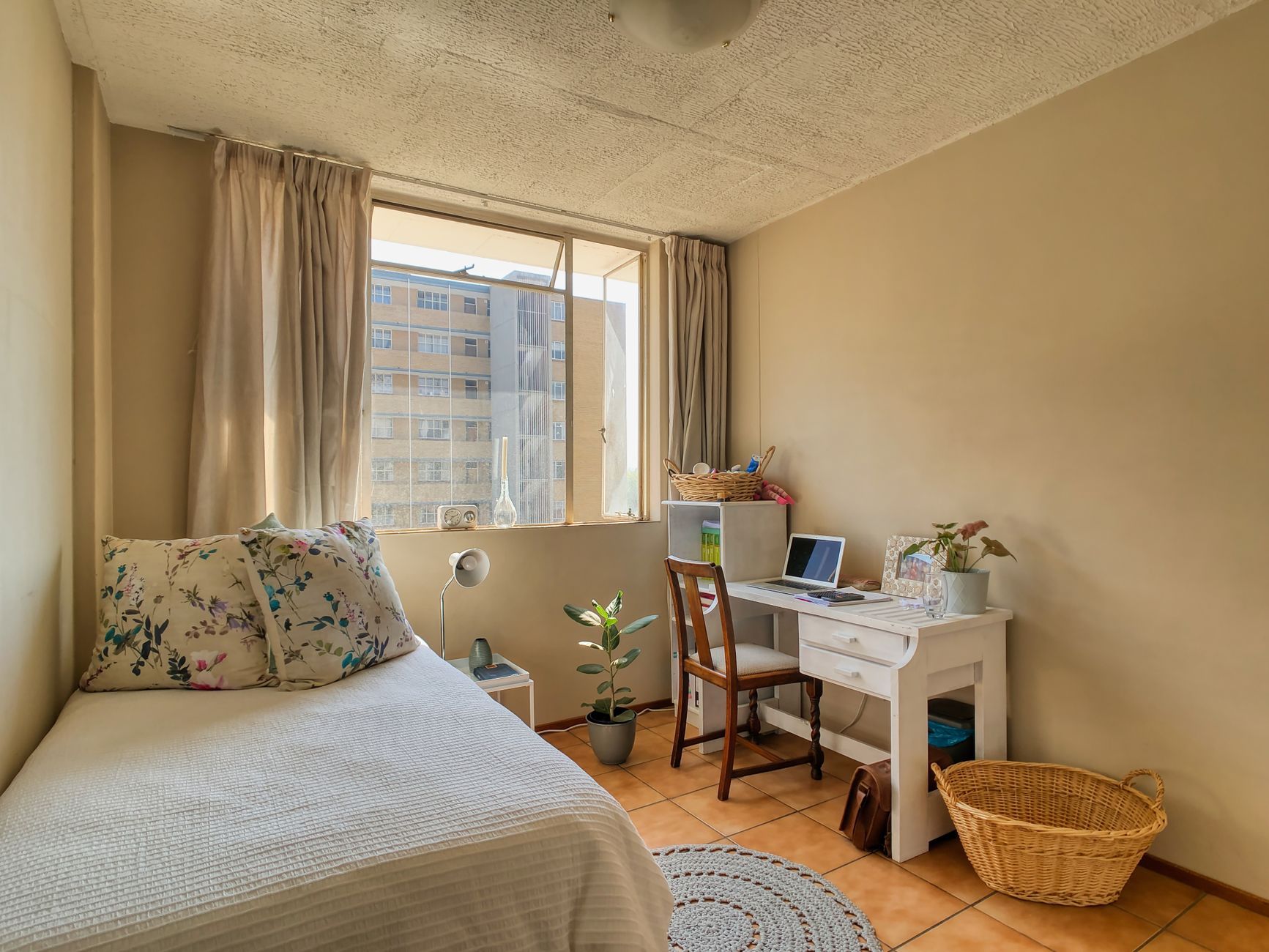
Student Accommodation in Australia: On-Campus, Shared House, Homestay, and Private Rental Costs Compared
More than 600,000 international students held enrolments in Australia in 2024 (Department of Education), turning accommodation costs into one of the largest line items in any study-abroad budget. Comparing on‑campus halls, shared houses, homestays, and private rentals requires looking past the headline rent—bonds, utilities, grocery overheads, and contract lengths all reshape the real weekly spend. This article breaks down the numbers, based on official student‑finance benchmarks, tenancy‑law norms, and rent‑market data from across the country.
The Four Models at a Glance
| Accommodation type | Typical weekly rent range (AUD) | Bills included | Meal provision |
|---|---|---|---|
| On‑campus (college / hall) | 280–500 | Usually yes | Often partial or full board |
| Shared house (room) | 150–280 | Usually separate (split) | Self‑catered |
| Homestay (private room) | 250–400 | Yes | Breakfast and dinner typical |
| Private rental (1‑bedroom) | 350–700+ | Rarely included | Self‑catered |
Ranges are drawn from the Australian Government’s Study Australia cost‑of‑living benchmarks, which reference the Department of Education’s financial‑capacity guidelines for student visa holders, and cross‑referenced with rent‑market indexes for the 2024 calendar year.
Cost Breakdown by Accommodation Type
On‑Campus Colleges and Halls
On‑campus accommodation includes residential colleges, university‑managed halls, and studio apartments. Weekly rates encompass furniture, utilities, internet, and often some meals. In 2024, a standard single room in a university hall ranges between AUD 320 and AUD 450 per week; a fully catered college room can reach AUD 500. The Department of Home Affairs’ student‑visa financial‑capacity calculation allows an annual living‑cost figure of AUD 24,505, within which accommodation and meals form the bulk. On‑campus providers typically set contract lengths to one academic semester or one full year. Acceptance rates are low: Universities Australia reports that campus‑managed beds cover only about 10 percent of all enrolled students, forcing the majority into the private rental market.
A four‑week bond (security deposit) is standard for university halls, although some institutions ask for an advance rent payment equivalent to two to four weeks. Furniture is supplied, removing one‑off setup costs that can run to AUD 1,500–3,000 in unfurnished rentals. The all‑inclusive nature means no separate electricity, gas, or NBN bill.
Shared House
Renting a room in a shared house or apartment is the most common choice for international students who prioritise flexibility and lower fixed costs. Median weekly rent for a room sits between AUD 180 and AUD 260 in Brisbane or Perth, and between AUD 240 and AUD 320 in Sydney and Melbourne, according to aggregator data from Flatmates.com.au and SQM Research. Bonds are almost always four weeks’ rent, lodged with the state’s rental bond authority. Lease arrangements range from a simple written agreement co‑signed with the head‑tenant to an informal month‑to‑month arrangement.
Utilities are not included in the room rate. Water usage, electricity, gas, and household internet typically cost between AUD 25 and AUD 40 per person per week when split among three to four occupants. Furniture in the room may or may not be provided; unfurnished rooms compel a student to buy a bed, a desk, and storage. Shared houses are self‑catered, so grocery spend—about AUD 90–150 per week for one person, per the Australian Bureau of Statistics household‑expenditure survey—must be added.
📖 - Australia Student Living Costs 2025: A City-by-City Breakdown of Rent, Groceries, and Transport
Homestay
Homestay places a student in a private room inside a local family’s home. The weekly rate of AUD 250–400 covers electricity, gas, water, and unlimited internet, plus two meals a day (usually breakfast and dinner). The Department of Education’s international student lifestyle survey indicates that homestay offers the lowest administrative burden for under‑18 students, who are required by visa condition to have appropriate accommodation and welfare arrangements. The placement is generally arranged through a registered homestay provider, which charges a placement fee of AUD 200–350. Students pay a two‑week advance rent and a two‑week bond, although state rules vary. The contract length is typically a four‑week minimum followed by a two‑week notice period, making it the shortest commitment among the options.
Private Rental
Securing a one‑bedroom apartment or studio through a real‑estate agent gives full independence but carries the highest upfront and ongoing costs. As of the June quarter 2024, SQM Research records a median weekly asking rent of AUD 685 for a one‑bedroom unit in Sydney, AUD 520 in Melbourne, AUD 490 in Brisbane, AUD 450 in Perth, and AUD 410 in Adelaide. Bonds are set at four weeks’ rent—or up to six weeks in some states when the weekly rent exceeds a threshold. Tenants also pay a holding deposit of one week’s rent while the application is processed.
Private‑rental contracts run for a fixed term of 6 or 12 months, with early‑break fees that can equal several weeks’ rent. Furnishings are absent; the initial outlay for a bed, fridge, washing machine, sofa, and study desk frequently surpasses AUD 3,000. Utilities are not part of the lease. Electricity, gas, water (usage only), and an NBN plan cost a single occupant AUD 150–250 per month, depending on the season and the property’s energy rating.
How City Choice Impacts Rent
Geography is the single largest variable. Rental markets across Australian capital cities diverge by as much as 60 percent for comparable housing. QS Best Student Cities 2025 ranks Sydney and Melbourne in the bottom third for affordability among the world’s top 100 student cities, reflecting the premium charged for housing. The Department of Education’s financial‑capacity calculation uses a single national figure for living costs, yet a student in Adelaide might spend AUD 180 per week on a shared room versus AUD 280 in Sydney. Private‑rental gaps are even starker: a one‑bedroom unit in Hobart can be AUD 150 cheaper per week than one in Sydney. Choosing a campus in a non‑capital city (e.g., Ballarat, Townsville, Wollongong) can trim rent by 20–30 percent. Universities Australia has flagged city‑level housing affordability as a barrier to attracting students to high‑cost metropolitan campuses.
Bond, Lease Terms, and Other Upfront Costs
State and territory residential tenancy legislation dictates the maximum bond that can be collected. New South Wales caps the bond at four weeks’ rent; Victoria permits a bond of up to one month’s rent, or more for high‑value leases; Queensland’s limit is four weeks’ rent where the weekly rent does not exceed AUD 700. Bonds must be lodged with the state bond authority (e.g., Rental Bonds Online in NSW, Residential Tenancies Bond Authority in Victoria). The turnaround time for bond refunds after a lease ends can take two to six weeks.
Beyond the bond, international students without a local rental history often face a requirement to pay two to three months’ rent in advance. In the private‑rental sector, landlords or agents may also request a guarantor or a larger upfront payment, though this practice is discouraged by the relevant state fair‑trading offices. Homestay and on‑campus arrangements rarely demand more than two weeks’ prepaid rent.
Hidden Costs: Utilities, Internet, and Furnishings
A financial comparison that ignores incidentals will understate private‑rental and shared‑house expenses. An all‑electric one‑bedroom apartment in Melbourne can generate a bill of AUD 100–140 per month in winter, split roughly between space heating and hot water. Gas‑heated properties cost slightly less. NBN plans with a reliable connection start at AUD 60 per month. Together, these add AUD 35–55 per week to the base rent in a private lease. In a shared house, splitting utilities among three or more people brings the per‑person impact down to AUD 20–30 per week. Homestay and on‑campus contracts absorb these costs.
Furnishings are another upfront line item. A study‑ready bedroom set—mattress, bed frame, desk, chair, lamp, and wardrobe—averages AUD 1,200 when sourced from budget retailers. A washing machine and fridge add AUD 700 each. Students who move between short‑term leases often face removalist fees or the depreciation of selling furniture quickly; these hidden amortisations can add AUD 20 per week to the effective cost of an unfurnished rental over a six‑month stay.
On‑Campus Application Success Rates
Universities Australia data indicates that institution‑provided accommodation covers roughly 10 percent of the domestic and international student population combined. For international students, the allocation rate is even lower—many residential colleges give priority to domestic students or those on scholarship programmes. The University of Sydney, for instance, states publicly that it receives more than four applications for every bed in its on‑campus residences. The University of Melbourne’s colleges operate on a competitive academic‑merit and interview basis. TEQSA’s National Code 2018 mandates that registered providers give prospective students access to “current and accurate information about accommodation options,” but it does not compel supply expansion. The practical effect is that most international students must enter the private market within the first semester, making the on‑campus cost comparison a benchmark rather than a feasible choice for the majority.
FAQ
1. Which accommodation type requires the smallest upfront payment? Homestay and on‑campus halls typically ask for a two‑week deposit plus two weeks’ advance rent. Shared houses and private rentals almost always require four weeks’ bond and, for international students without rental history, two to three months’ rent in advance.
2. Are utility costs higher in southern cities? Yes. Melbourne, Hobart, and Canberra experience colder winters, pushing electricity and gas costs higher than in Brisbane or Darwin. Average monthly utility bills for a one‑bedroom unit in Melbourne can be AUD 150 in winter versus AUD 90 in Brisbane.
3. Can an international student break a private‑rental lease early? Lease‑break fees are determined by state law and the terms of the agreement. In New South Wales, a fixed‑term lease broken within the first quarter of the term may incur a fee of four weeks’ rent; in Victoria, the fee is proportional to the remaining term if the tenant does not provide a replacement. Always check the jurisdiction’s residential tenancy act.
4. Does the Department of Home Affairs require a specific accommodation type for visa approval? No. The student visa (subclass 500) requires evidence of financial capacity to cover living costs, currently AUD 24,505 per year, but does not mandate a particular housing arrangement. Students under 18 years of age must, however, have approved welfare and accommodation arrangements, which often means homestay or a boarding college.
5. What is the average bond‑refund timeline? Refunds are processed within 10–14 business days after a bond‑claim form is submitted and agreed upon by landlord and tenant, according to most state bond authorities. Disputed claims can extend the wait to several weeks or require a tribunal hearing.
6. Is it cheaper to live on campus or in a shared house? A shared house is typically AUD 50–100 per week cheaper than the lowest‑cost on‑campus hall, once shared utilities are factored in. However, the upfront furnishing cost for an unfurnished room can offset the rent savings over a short stay.
What the Numbers Mean for Budgeting
Mapping accommodation costs against the Department of Education’s recommended annual living‑cost figure shows that a student who chooses private rental in Sydney will probably exceed the AUD 24,505 benchmark once transport, food, and incidentals are added. In contrast, a room in a shared house in Adelaide or Perth, combined with a modest grocery budget, can keep annual living expenses close to the official estimate. The choice of accommodation type shapes not only the rent cheque but the granular expense of daily life—utility accounts, communal kitchen dynamics, and the quiet accumulation of bond‑held cash. Each model has a distinct financial profile, and the right selection turns on contract flexibility, the city of study, and how much of the cost can be absorbed upfront rather than spread across the semester.