2026-05-21 · Diana Chu
Perth vs Brisbane for International Students: Lifestyle, Costs, and Career Prospects in 2026
A data-backed comparison of Perth and Brisbane for international students in 2026. Analyse cost of living, climate, employment rates, and university strengths t
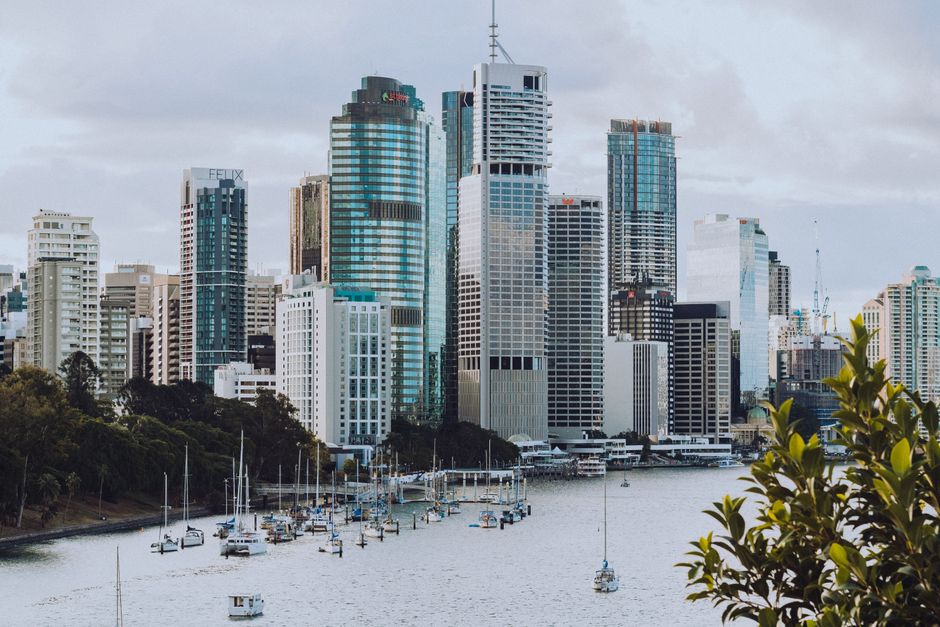
Introduction: Two Sunbelt Capitals, Divergent Paths
International students weighing Perth and Brisbane in 2026 face a choice between two of Australia’s fastest-growing sunbelt capitals, each offering distinct lifestyle and career trajectories. According to the Australian Bureau of Statistics (ABS, 2025), Western Australia’s population grew by 2.8% in the year to March 2025, driven largely by resource-sector migration, while South-East Queensland expanded by 2.5%, underpinned by interstate relocations and a booming construction economy. For prospective students, the decision hinges on quantifiable factors: median rental costs, part-time wage rates, and post-study employment outcomes in each city’s dominant industries.
This guide examines Perth and Brisbane across six key dimensions: cost of living, climate and geography, university ecosystems, part-time work availability, graduate employment rates, and transport infrastructure. All data points, unless otherwise stated, are drawn from 2025–2026 government and institutional sources.
Cost of Living: Rent, Groceries, and Transport
Perth has historically been more affordable than Sydney or Melbourne, but its rental market tightened significantly in 2025. Domain Group’s 2025 Rental Report recorded a median weekly rent for a unit in Perth at AUD 580, up 10.5% year-on-year. A one-bedroom apartment in the inner suburbs (e.g., Subiaco, Leederville) averages AUD 450–600 per week. Brisbane’s median unit rent was AUD 560 per week, with inner-city studios (South Brisbane, Fortitude Valley) ranging from AUD 420 to 550. The difference is marginal, but Perth’s vacancy rate of 1.2% (March 2025) was tighter than Brisbane’s 1.6%, making Brisbane slightly easier to secure accommodation.
Groceries show a clearer divergence. The University of Western Australia (UWA, 2025) estimated a single student’s weekly grocery bill in Perth at AUD 90–120, while Queensland University of Technology (QUT, 2025) reported AUD 85–110 in Brisbane. Transport costs favour Brisbane: a student Go Card concession fare for a one-zone trip costs AUD 2.80, versus Perth’s SmartRider equivalent at AUD 3.20. However, Perth’s free Transit Zone (CAT buses) in the CBD partially offsets this. Utilities (electricity, internet) are comparable at AUD 40–60 per week in both cities.
Key takeaway: A single international student in Perth should budget approximately AUD 1,800–2,200 per month for rent, food, utilities, and transport, excluding tuition. In Brisbane, the range is AUD 1,600–2,000. The AUD 200 monthly difference stems from marginally cheaper groceries and a looser rental market in Brisbane.
Climate and Outdoor Lifestyle: Sun, Surf, and Humidity
Perth offers a Mediterranean climate with dry summers (average January maximum 31°C) and mild winters (July minimum 8°C). The city receives 2,800 hours of sunshine annually—more than any other Australian capital. Summer heat is typically dry, making outdoor activities like hiking Kings Park or swimming at Cottesloe Beach comfortable year-round. The Indian Ocean water temperature peaks at 23°C in February, suitable for surfing but cooler than Queensland’s.
Brisbane has a subtropical climate with high humidity in summer (December–February average maximum 30°C, dew point 20–22°C). Winters are mild (July minimum 11°C) and sunny. The city experiences 2,600 sunshine hours annually, but summer afternoon thunderstorms are common. The Bureau of Meteorology (2025) recorded 1,200 mm annual rainfall in Brisbane versus 790 mm in Perth. For students sensitive to humidity, Brisbane’s summer can feel oppressive, though the city’s extensive air-conditioned public spaces (South Bank, libraries) mitigate this.
Lifestyle implications: Perth’s dry heat and consistent sea breeze favour outdoor sports and beach culture year-round. Brisbane’s climate suits those who prefer warmer winters and don’t mind humidity; the city’s river-based activities (kayaking, river cycling) and proximity to Gold Coast beaches (one hour by train) are major draws. Both cities rank in the top 10 globally for quality of life (Economist Intelligence Unit, 2025), but individual preference for dry versus humid heat will heavily influence satisfaction.
University Ecosystems: Strengths and Specialisations
Perth hosts five public universities: University of Western Australia (UWA) (QS World University Rankings 2026: #72), Curtin University (#183), Murdoch University (#571), Edith Cowan University (ECU) (#651), and University of Notre Dame Australia (#751). UWA is a Group of Eight (Go8) member, offering strong research outputs in earth sciences, marine biology, and medicine. Curtin excels in mining engineering and business. Perth’s universities collectively enrolled 45,000 international students in 2025 (Department of Education, 2025), with a student-to-population ratio of 1:45.
Brisbane has four public universities: University of Queensland (UQ) (QS 2026: #43), Queensland University of Technology (QUT) (#213), Griffith University (#301), and University of Southern Queensland (UniSQ) (#701). UQ is also a Go8 member, with strengths in biological sciences, dentistry, and law. QUT is renowned for media and communication, while Griffith leads in hospitality and tourism. Brisbane’s international student population was 55,000 in 2025, with a student-to-population ratio of 1:40.
Industry linkages: Perth’s universities have deep ties to the mining and energy sector (BHP, Rio Tinto, Woodside) offering paid internships and cadetships. Brisbane’s strengths are in health services (Queensland Health), construction, and tourism. For students targeting resource-sector careers, Perth provides direct pipeline employment; for those in health, education, or creative industries, Brisbane’s broader economy offers more diversity.
Part-Time Work and Post-Study Employment
Both cities offer international students 48 hours per fortnight work rights (as of July 2023 policy). The minimum wage in Australia is AUD 24.10 per hour (Fair Work Commission, 2025). Perth’s hospitality and retail sectors pay slightly higher due to labour shortages: a casual hospitality worker in Perth averages AUD 28–32 per hour, versus AUD 26–30 in Brisbane (Seek, 2025). However, Perth’s unemployment rate was 3.7% in March 2025 (ABS) versus Brisbane’s 4.1%, indicating a tighter labour market favouring job seekers.
Graduate employment outcomes differ by field. The Graduate Outcomes Survey (2025) reported that 88% of UWA engineering graduates found full-time employment within four months of graduation, compared to 84% of UQ engineering graduates. In health, UQ’s rate was 92% versus UWA’s 89%. For business graduates, Curtin (87%) slightly outperformed QUT (85%). Post-study work rights (Temporary Graduate visa subclass 485) allow graduates to work in Australia for 2–4 years, with Perth and Brisbane both designated as regional cities (Category 2), granting an extra one-year stay compared to Sydney or Melbourne.
Key insight: Perth’s mining and energy sector offers higher starting salaries (AUD 80,000–100,000 for engineering graduates) but is cyclical. Brisbane’s broader economy provides more stable, albeit lower-paid, opportunities (AUD 65,000–85,000 for business graduates). Students should align their career aspirations with the city’s dominant industries.
Transport and Urban Connectivity
Perth’s public transport system comprises trains, buses, and the free CAT bus network within the CBD. The Transperth network covers 180 km of rail, including the Mandurah Line connecting the city to southern suburbs. A student SmartRider concession costs AUD 1.50 per journey (two-hour transfer). The city’s sprawl (2,100 km²) makes a car desirable for exploring beyond the CBD, though parking costs AUD 15–25 per day. Cycling infrastructure is improving, with 130 km of dedicated paths.
Brisbane’s TransLink system includes trains, buses, ferries, and the CityCat catamaran service along the Brisbane River. A student Go Card concession costs AUD 1.20 per journey (one-zone). Brisbane’s density (1,340 km²) makes walking and cycling more feasible; the city has 300 km of bikeways. The Gold Coast and Sunshine Coast are accessible via 1-hour train or bus rides, offering weekend escapes. Both cities have Uber and rideshare options, but Brisbane’s ferry network provides a unique commuter experience.
Connectivity to Asia: Perth is closer to Singapore (5-hour flight) and Jakarta (4 hours), making it a hub for students from Southeast Asia. Brisbane’s proximity to the Pacific Islands and New Zealand (3-hour flight to Auckland) may appeal to students from those regions. Direct flights to mainland Chinese cities (Shanghai, Guangzhou) operate from both airports, though Perth’s airport has fewer frequencies.
FAQ
Q: Which city has a lower cost of living for international students in 2026? A: Brisbane is approximately AUD 200 per month cheaper than Perth, based on median rent (AUD 560 vs AUD 580 per week) and grocery costs (AUD 85–110 vs AUD 90–120 per week). Transport is also cheaper in Brisbane (AUD 1.20 per journey vs AUD 1.50). However, Perth’s higher part-time wages (AUD 28–32 per hour vs AUD 26–30) can offset this difference for students working 15 hours per week.
Q: What are the post-study work rights for graduates in Perth and Brisbane? A: Both cities are classified as regional (Category 2) under the Department of Home Affairs’ post-study work arrangements. Graduates with a bachelor’s degree can stay for 2 years, plus an additional 1 year for regional study (total 3 years). Master’s graduates receive 3 years (plus 1 regional year = 4 years). PhD graduates receive 4 years (plus 1 regional year = 5 years). These rights apply to eligible qualifications on the skilled occupation list.
Q: Which city has better employment prospects for international students after graduation? A: For engineering and mining-related fields, Perth offers higher starting salaries (AUD 80,000–100,000) and a lower unemployment rate (3.7% vs 4.1%). For health, education, and creative industries, Brisbane provides more diverse opportunities (AUD 65,000–85,000). Graduate employment rates are comparable: 88% for UWA engineering vs 84% for UQ engineering; 92% for UQ health vs 89% for UWA health.
References
- Australian Bureau of Statistics. (2025). Regional Population Growth, Australia, 2024-25. Canberra: ABS.
- Domain Group. (2025). Domain Rental Report, March 2025. Sydney: Domain.
- Department of Education. (2025). International Student Enrolments in Australia, 2025. Canberra: Australian Government.
- Graduate Outcomes Survey. (2025). National Report: Employment Outcomes for Graduates, 2025. Melbourne: Social Research Centre.
- QS World University Rankings. (2026). QS World University Rankings 2026. London: Quacquarelli Symonds.