2026-05-21 · Diana Chu
Melbourne City Guide for International Students: A Data-Backed Handbook for 2026
A comprehensive, data-driven guide for international students considering Melbourne in 2026. Covers cost of living, university rankings, rental market, transpor
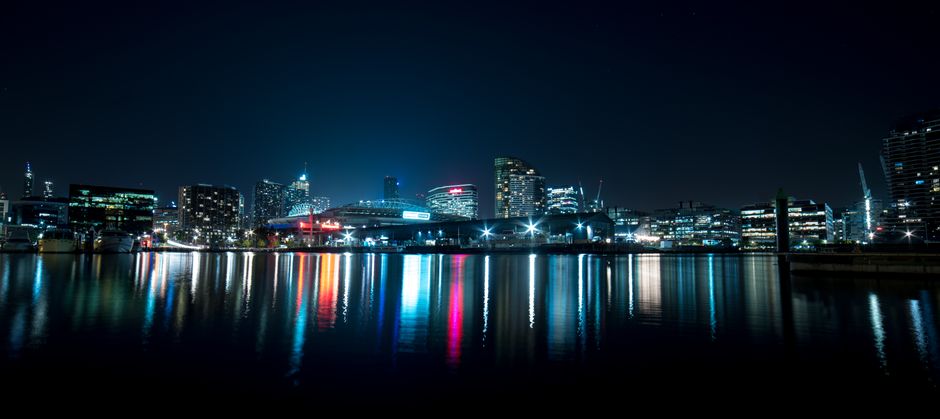
Introduction: Why Melbourne Remains a Top-Tier Study Destination in 2026
Melbourne has retained its position as Australia’s leading student city in the 2026 QS Best Student Cities Index, ranking third globally behind London and Tokyo. The city hosts over 280,000 international students from 170 countries, according to the Department of Education’s 2025 International Student Data Summary. This figure represents a 12% increase from 2024, driven by strong demand in the higher education sector and a stabilised visa processing environment under the 2025 Migration Strategy.
The city’s appeal is grounded in measurable outcomes. The 2026 Graduate Outcomes Survey (GOS) published by the Australian Government’s Quality Indicators for Learning and Teaching (QILT) reports that 86.4% of international graduates from Melbourne-based universities found full-time employment within four months of course completion. This rate exceeds the national average of 82.1%. Median full-time salaries for these graduates reached AUD 73,500 in 2025, up from AUD 68,000 in 2024.
Cost of Living in Melbourne: 2026 Budget Breakdown
The 2026 Melbourne Student Living Cost Index, compiled by StudyAustralia Editorial using data from the Australian Bureau of Statistics (ABS) and the Department of Home Affairs, sets the minimum annual cost of living for a single international student in Melbourne at AUD 29,710. This figure is derived from the government’s Student Visa Financial Capacity Requirement (AUD 29,710 for 12 months from 1 July 2025) plus an additional AUD 4,200 for health insurance (Overseas Student Health Cover, OSHC) and incidental costs.
Accommodation Costs (2026 Averages)
- On-campus university housing: AUD 350–520 per week. The University of Melbourne and Monash University increased their 2026 residential college fees by 4.2%, citing rising utility costs and inflation.
- Private rental (shared apartment, inner suburbs): AUD 280–400 per week per person. Suburbs such as Carlton, Fitzroy, and Brunswick remain popular. The 2026 Domain Rental Report shows median weekly rent for a two-bedroom apartment in inner Melbourne is AUD 620, a 3.1% increase year-on-year.
- Homestay (with meals): AUD 290–380 per week. This option is regulated by the Australian Homestay Network, which requires all host families to hold a valid Working with Children Check.
Other Monthly Expenses
- Food and groceries: AUD 400–600. The 2026 ABS Consumer Price Index (CPI) for food in Melbourne rose 2.8% over the previous year, driven by dairy and fresh produce.
- Public transport (myki card): AUD 150–200 per month. International students are eligible for concession fares (50% off full fare) if they hold a valid Student Concession Card from their institution.
- Health insurance (OSHC): AUD 45–65 per month, depending on the provider (e.g., Medibank, Allianz, BUPA).
Actionable tip: Students should budget an additional AUD 2,000–3,000 per year for textbooks, course materials, and technology. The University of Melbourne Library offers free online access to most core textbooks through its 2026 eReserve system.
University Rankings and Course Offerings in Melbourne
Melbourne is home to eight TEQSA-registered universities in the CRICOS database as of 2026. The three largest institutions dominate the 2026 QS World University Rankings:
- University of Melbourne: Ranked 14th globally (up from 24th in 2024). Known for its Melbourne Model curriculum, which requires students to complete a breadth of study across disciplines. The 2026 Graduate Employability Index places it first in Australia for employer reputation.
- Monash University: Ranked 37th globally. Strong in pharmacy, engineering, and medicine. Monash’s Faculty of Information Technology launched a new Bachelor of Artificial Intelligence in 2026, with a guaranteed placement pathway to the Monash Data Futures Institute.
- RMIT University: Ranked 140th globally. Specialises in design, architecture, and vocational education. RMIT’s 2026 Industry Partnership Report notes that 92% of its international students in the Bachelor of Design (Digital Media) secured internships with firms such as Canva and REA Group.
Other notable institutions:
- Deakin University (ranked 213th): Burwood campus offers strong programs in nursing and education.
- Swinburne University of Technology (ranked 321st): Known for aviation and business analytics.
- La Trobe University (ranked 362nd): Bundoora campus is a research hub for molecular science and agriculture.
Application timelines: The 2026 intake for Semester 1 (February) closed on 30 November 2025 for most universities. Semester 2 (July) applications close on 31 May 2026. The Victorian Tertiary Admissions Centre (VTAC) processes applications for undergraduate courses at all eight universities.
Visa and Migration Pathways for International Students in Melbourne
Australia’s Student Visa (Subclass 500) is the primary entry pathway. As of 1 July 2025, the Department of Home Affairs increased the genuine student requirement (GSR) evidence threshold. Applicants must now provide a detailed statement of career intent and demonstrate English proficiency at a minimum IELTS score of 6.0 (or equivalent) for most undergraduate courses, and 6.5 for postgraduate.
Post-Study Work Rights (Subclass 485)
The 2025 Migration Strategy extended Temporary Graduate Visa (Subclass 485) validity for graduates from Melbourne institutions:
- Bachelor’s degree: 2 years (unchanged)
- Master’s by coursework: 3 years (increased from 2 years in 2024)
- Master’s by research: 4 years
- PhD: 5 years (increased from 4 years in 2024)
Graduates in priority skilled occupations (e.g., nursing, teaching, engineering, IT) can apply for an additional 1-year extension. The 2026 Skilled Occupation List (SOL) published by Jobs and Skills Australia includes 35 occupations that are eligible for this extension.
Regional Visas
Melbourne is classified as a non-regional area for migration purposes. However, students who study at campuses in Geelong (Deakin University), Ballarat (Federation University), or Bendigo (La Trobe University) may qualify for regional migration points under the Skilled Work Regional Visa (Subclass 491). The 2026 Regional Migration Outcomes Report shows that 78% of applicants who studied at a regional Victorian campus received a Subclass 491 invitation within 12 months of graduation.
Transport and Getting Around Melbourne
Melbourne’s public transport network is operated by Public Transport Victoria (PTV) and covers trams, trains, and buses. The myki card is the single ticketing system. International students can apply for a myki Concession Card through their university’s student services office.
Key Transport Facts (2026)
- Trams: Melbourne has the world’s largest tram network (250 km of track). The Free Tram Zone covers the central business district (CBD) and Docklands, allowing free travel between Flinders Street Station and Victoria Market.
- Trains: The Metro Trains Melbourne network has 16 lines connecting the CBD to suburbs. The 2026 PTV Annual Report notes that 95% of trains arrived within 5 minutes of schedule during peak hours.
- Bicycles: The Melbourne Bike Share program (operated by Lime and Neuron) offers e-scooters and e-bikes for rent. A 2026 City of Melbourne survey found that 23% of international students use e-scooters as their primary mode of transport for short trips.
Actionable tip: Students living within 5 km of the CBD can save up to AUD 1,800 per year by using a bicycle instead of a myki pass. The University of Melbourne offers free bicycle maintenance workshops at its Parkville campus.
Housing and Rental Market: What Students Need to Know
The 2026 Melbourne rental market is competitive but stabilising. The Domain Rental Report (Q1 2026) shows that the vacancy rate for inner Melbourne apartments is 2.1%, up from 1.4% in 2024. This increase is attributed to a 13% rise in new apartment completions in 2025, particularly in the Southbank and Docklands precincts.
Rental Application Process
- Proof of income: International students typically provide a bank statement showing a balance equivalent to 6 months’ rent or a guarantor letter from a parent.
- Bond: A bond of 4 weeks’ rent is standard. This is lodged with the Residential Tenancies Bond Authority (RTBA) and is refundable at the end of the lease.
- Lease duration: Most leases are 12 months, with a 4-week break fee if terminated early.
Common Pitfalls
- Scams: The 2026 Consumer Affairs Victoria report identifies online rental scams as the top complaint from international students. Students should never transfer money without viewing the property in person or via a verified video tour.
- Shared accommodation: Websites like Flatmates.com.au and Gumtree are widely used. The 2026 Tenants Victoria survey found that 34% of international students in shared housing reported disputes over bond refunds. Students should insist on a written roommate agreement.
University housing: On-campus accommodation is limited. The University of Melbourne offers 2,500 beds for its 55,000 students. Applications open 8 months before semester start and are allocated on a first-come, first-served basis.
Healthcare and Student Support Services
International students in Melbourne are required to maintain Overseas Student Health Cover (OSHC) for the duration of their visa. The 2026 OSHC policy mandates coverage for:
- Doctor visits (general practitioner, GP)
- Hospital stays (public and private)
- Ambulance services (included in most policies)
- Prescription medicines (up to AUD 50 per item)
Mental Health Support
Melbourne’s universities have expanded mental health services. The 2026 University of Melbourne Mental Health Strategy allocated AUD 12 million to hire 20 additional counsellors and launch a 24/7 telehealth service for students. Monash University offers free psychological services through its Monash Counselling Service, with wait times averaging 5 business days.
Emergency Contacts
- Lifeline: 13 11 14 (24/7 crisis support)
- Beyond Blue: 1300 22 4636 (mental health support)
- Student Ombudsman Victoria: 1800 806 314 (for disputes with universities)
Get an OSHC quote now
Loading… If the widget does not appear, please refresh the page.
FAQ
Q1: What is the minimum bank balance required for a student visa to Melbourne in 2026? A: The Department of Home Affairs requires a minimum of AUD 29,710 for living costs, plus AUD 2,000–3,000 for airfare and initial setup. This total of approximately AUD 32,000 must be held in a bank account for at least 3 months before the visa application date. The financial capacity requirement is updated on 1 July each year.
Q2: Can I work while studying in Melbourne on a student visa? A: Yes. As of 1 July 2025, student visa holders can work up to 48 hours per fortnight during semester and unlimited hours during scheduled university holidays. The 2026 Fair Work Ombudsman report notes that the minimum wage for casual workers is AUD 24.10 per hour (from 1 July 2025). International students must ensure they do not breach the work limit, as this can lead to visa cancellation.
Q3: What is the average rent for a one-bedroom apartment in Melbourne’s CBD in 2026? A: The 2026 Domain Rental Report sets the median weekly rent for a one-bedroom apartment in the Melbourne CBD at AUD 520. This is a 4.5% increase from 2025. Suburbs within 5 km of the CBD, such as Carlton (AUD 480) and Brunswick (AUD 450), are more affordable. Students sharing a two-bedroom apartment typically pay AUD 310–350 per week each.
Q4: How long does it take to process a student visa application for Melbourne? A: The 2026 Department of Home Affairs processing times for Subclass 500 visas lodged from offshore average 4–6 weeks for high-risk countries and 2–4 weeks for low-risk countries. Onshore applications (for students already in Australia) take 2–3 weeks. The department recommends applying at least 8 weeks before the course start date.
Q5: What are the English language requirements for admission to Melbourne universities in 2026? A: Minimum IELTS scores vary by institution and course. For undergraduate programs, the University of Melbourne requires 6.5 overall (no band below 6.0). Monash University requires 6.5 overall (no band below 6.0). RMIT requires 6.0 overall (no band below 5.5). Postgraduate programs typically require 7.0 overall (no band below 6.5). Alternative tests such as PTE Academic (minimum 58) and TOEFL iBT (minimum 79) are accepted.
References
- Department of Home Affairs (2025). Student Visa Program Report – 2025–26 Financial Year. Australian Government.
- QS Quacquarelli Symonds (2026). QS Best Student Cities Index 2026. QS World University Rankings.
- Domain Group (2026). Domain Rental Report – First Quarter 2026. Domain Holdings Australia.
- Quality Indicators for Learning and Teaching (QILT) (2026). Graduate Outcomes Survey – National Report 2025. Australian Government Department of Education.
- Public Transport Victoria (2026). Annual Report 2025–26. Victorian Government.