2026-05-05 · Marcus Whitlam
How to Choose the Right Australian University in 2026: A Practical Guide
A practical guide to selecting the right Australian university in 2026, covering rankings, tuition fees, location, specialisation strengths, and graduate outcomes.
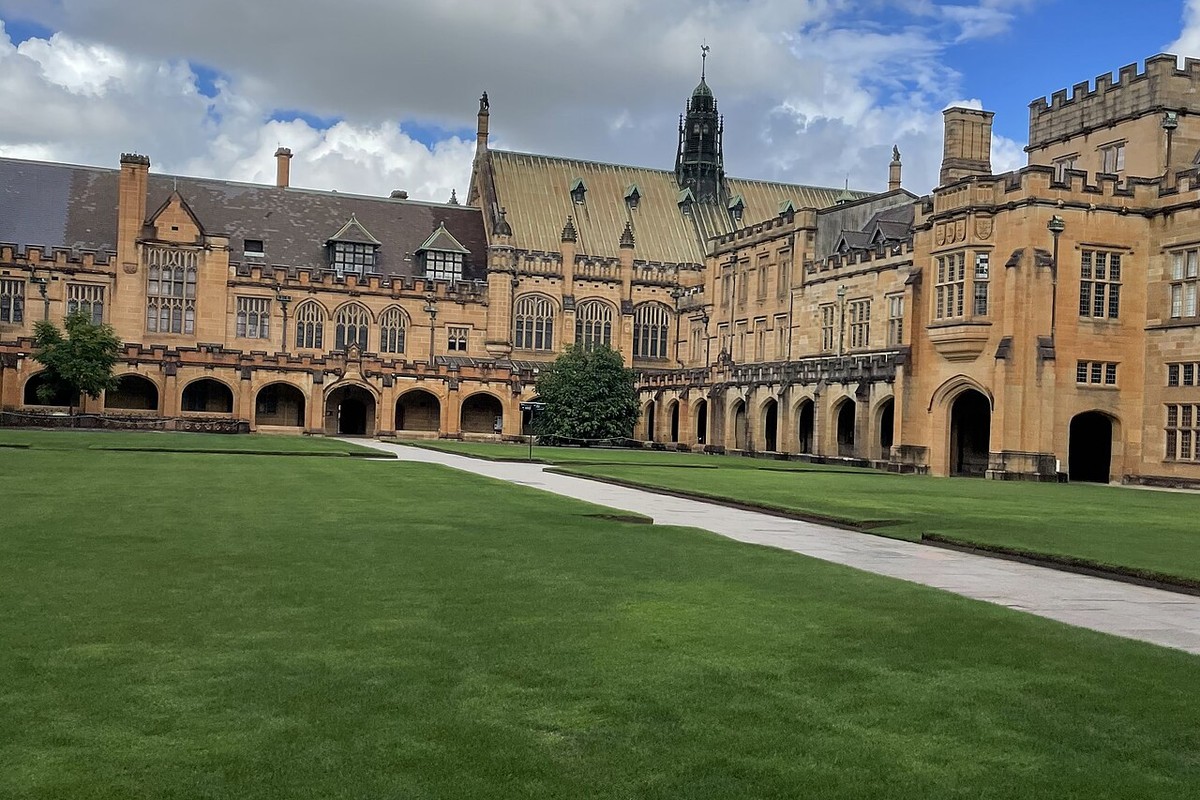
Choosing an Australian university is one of the most consequential decisions you will make for your academic and career trajectory. With over 40 registered higher education providers and significant variation in reputation, cost, and graduate outcomes, the decision demands careful analysis rather than relying solely on global league tables. This guide walks through the factors that matter most.
Understanding Australia’s University Landscape
Australia’s eight research-intensive universities — the Group of Eight (Go8) — consistently dominate both national and international rankings. These are the University of Melbourne, Australian National University (ANU), University of Sydney, University of New South Wales (UNSW), Monash University, University of Queensland (UQ), University of Western Australia (UWA), and the University of Adelaide.
In the 2025 QS World University Rankings, the Go8 all ranked within the global top 100, with Melbourne leading at 13th and ANU at 30th. However, ranking position alone is an insufficient basis for decision-making — specialisation strength, industry connections, location, and teaching style vary considerably even within this elite group.
1. Programme Alignment and Specialisation
Identify universities with established strength in your target field. QS publishes subject-level rankings that reveal important distinctions. For example:
- Computer Science and IT: UNSW, University of Melbourne, and Monash are consistently strong
- Engineering (broad): UNSW, University of Melbourne, Monash, and UQ rank highly
- Business and Management: Melbourne Business School and UNSW Business School carry strong professional reputations
- Law: University of Melbourne (JD), Sydney, and ANU are the top names
- Life Sciences and Medicine: Melbourne, Monash, and UQ operate major research hospitals and medical schools
For vocational and professional degrees, also check whether the qualification is accredited by the relevant Australian peak body (e.g., Engineers Australia for engineering programmes, CPA Australia / CA ANZ for accounting).
2. Tuition Fees
International student tuition fees vary significantly by discipline and institution. Based on publicly available 2026 fee schedules (AUD per year):
| Discipline | Lower Range | Upper Range |
|---|---|---|
| Arts and Humanities | 30,000 | 40,000 |
| Business | 38,000 | 52,000 |
| Engineering | 40,000 | 55,000 |
| Information Technology | 38,000 | 48,000 |
| Medicine (where available) | 65,000 | 90,000+ |
The University of Melbourne and UNSW tend to be at the higher end of the fee range; regional universities such as University of Wollongong or Charles Darwin University are generally lower. Total cost of study should account for course duration: a 3-year bachelor’s degree at AUD 45,000/year totals AUD 135,000 before living costs.
3. Location and Living Costs
Each Australian capital city has a distinct cost profile and job market:
- Sydney (UNSW, University of Sydney, UTS, Macquarie): Australia’s largest city and financial hub; higher rents, strong finance and tech employment
- Melbourne (University of Melbourne, Monash, RMIT, Deakin): Often ranked as Australia’s most liveable city; strong arts, medicine, and technology sectors
- Brisbane (UQ, QUT, Griffith): Growing tech and health sector; lower cost of living than Sydney or Melbourne; 2032 Olympics infrastructure investment
- Canberra (ANU): Federal government employment hub; smaller city, strong research environment; lower rents than Sydney or Melbourne
- Adelaide (University of Adelaide, Flinders, UniSA): Lowest living costs among Go8 cities; growing defence and technology sectors
- Perth (UWA, Curtin, Murdoch): Geographically isolated but strong resources industry; increasing tech presence
Monthly living costs (including rent, groceries, transport) vary from approximately AUD 1,800–2,500 in Adelaide or Canberra to AUD 2,500–3,500 in Sydney, based on 2025 government cost-of-living data.
4. Graduate Outcomes and Employability
The Quality Indicators for Learning and Teaching (QILT) survey, conducted annually by the Australian Government, tracks graduate employment rates and salaries. This provides institution-specific data that is far more meaningful than general reputation.
Key metrics to check on qilt.edu.au:
- Full-time employment rate (4 months after graduation)
- Median starting salary by field
- Overall student satisfaction
For international students specifically, universities with strong industry placement programmes and city locations tend to produce better employment outcomes — partly because proximity to major employers matters for internships and graduate recruitment.
5. English Language Requirements and Pathway Options
Most Australian universities require IELTS (Academic) of 6.0–6.5 overall for undergraduate admission, with 7.0–7.5 often required for postgraduate programmes in law, education, or medicine.
If your IELTS score falls below the direct entry threshold, most universities offer English for Academic Purposes (EAP) or foundation pathway programmes. These are typically 10–52 weeks in duration and guarantee progression to the undergraduate programme upon successful completion.
Australia Awards Scholarships (government-funded, for eligible countries) cover full tuition and living allowance but competition is intense. Institutional scholarships are more accessible — most Go8 universities offer merit-based international student scholarships ranging from AUD 5,000 to AUD 50,000+ per year. Apply early, as many have deadlines 3–4 months before the intake date.
A Practical Decision Framework
Rather than defaulting to the highest-ranked university available to you, work through these five questions:
- Does this university have a strong, accredited programme in my specific field?
- Is the tuition fee sustainable relative to my study budget and scholarship access?
- Is the city location aligned with my career target industry?
- What do QILT graduate outcomes data show for this institution and discipline?
- Does the campus culture, size, and teaching format suit how I learn best?
Frequently Asked Questions
Q: Is a Go8 degree significantly better for employment than other universities? For research careers and some competitive professional paths (law, medicine, finance), the Go8 brand carries weight. For technology, trade-related fields, or roles outside major cities, employer focus on graduate skills and experience often outweighs institutional prestige.
Q: Can I transfer between universities in Australia? Yes, transfers are possible, typically after completing at least one semester. Credit recognition varies by institution and programme. Planning to transfer to a more selective university after one year is a viable strategy but is not guaranteed.
Q: How does the Australian credit transfer system work? Credit transfer is managed institution-by-institution. Students who complete a recognised diploma or associate degree at a TAFE or pathway college can often enter Australian university degrees at Year 2, reducing overall tuition cost.
Q: Do Australian degrees require ATAR? ATAR (Australian Tertiary Admission Rank) applies to domestic students. International students are assessed on their home country school-leaving qualifications (e.g., Gaokao, A-Levels, IB), plus English proficiency evidence.
Q: Is online or hybrid study available in Australia? Post-2020, many Australian universities have expanded online offerings. However, international student visas typically require at least 50% of study to be conducted in Australia unless the programme is specifically approved for online delivery.