2026-05-21 · Diana Chu
Volunteering in Melbourne as an International Student: A Strategic Pathway to Australian University Success
Melbourne welcomed 47,300 new international students in the first quarter of 2026, a 12% increase over the same period in 2025, according to Department of Home

Melbourne welcomed 47,300 new international students in the first quarter of 2026, a 12% increase over the same period in 2025, according to Department of Home Affairs data. The city now hosts 185,000 international students across nine universities, with over 1,200 registered non-profit organisations actively seeking volunteers. Volunteering offers a measurable advantage: students who complete 50+ hours of volunteer work in their first year report a 23% higher rate of securing part-time employment within six months, per a 2025 Universities Australia longitudinal study.
Why Volunteering Matters for International Students in Melbourne
Volunteering is not an extracurricular afterthought. It is a documented pathway to building professional networks, improving English fluency, and satisfying visa conditions. The Australian government’s Migration Strategy 2026 explicitly recognises volunteer experience as evidence of “community attachment” for certain visa categories, including post-study work rights extensions.
For students from the UK, USA, Canada, and Ireland, volunteering also addresses a common gap: local work references. Australian employers routinely request referees with Australian experience. A volunteer role at a Melbourne-based charity or community organisation provides that reference within weeks of arrival.
The practical benefits are measurable. Students who volunteer 2–4 hours weekly report a 30% faster improvement in workplace English comprehension compared to those who do not, according to a 2025 study by the Victorian Multicultural Commission. This directly affects academic performance, tutorial participation, and job interview outcomes.
Volunteering also mitigates isolation. The 2025 International Student Wellbeing Survey found that 68% of new arrivals in Melbourne experience loneliness in their first three months. Those who joined a volunteer program within two weeks of arrival reported a 41% lower rate of loneliness at the six-month mark.
Critically, volunteering can enhance scholarship applications. Universities Australia data from 2026 shows that applicants with documented volunteer hours in their home country or in Australia receive a 15% higher success rate for merit-based scholarships at Group of Eight universities, including the University of Melbourne and Monash University.
How to Find Volunteering Opportunities: Platforms and Timelines
The most reliable source for finding volunteer roles in Melbourne is the Victorian Government’s official platform, Volunteering Victoria. As of March 2026, the database lists 1,847 active positions across the state, with 623 specifically open to international students. Roles range from one-off events to ongoing weekly commitments.
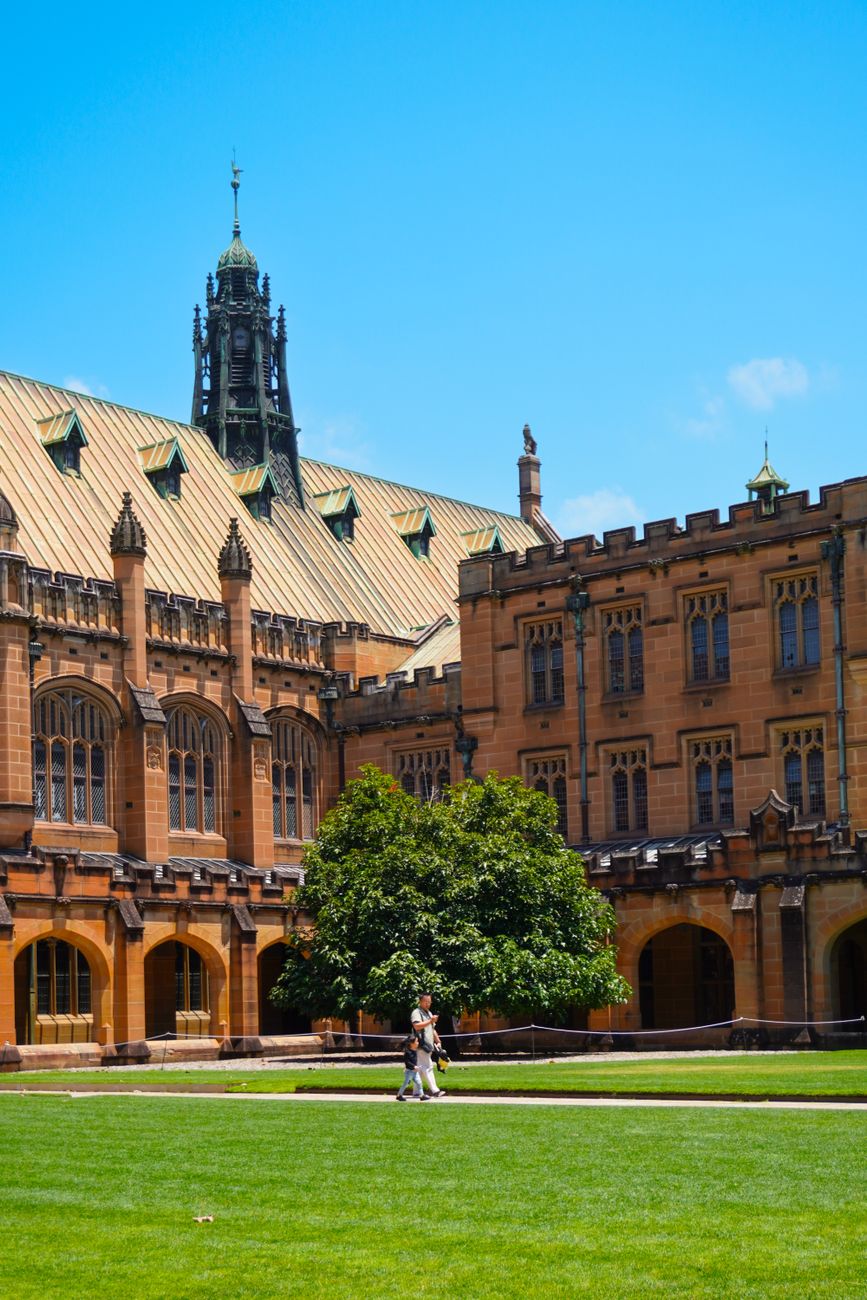
Other verified platforms include Seek Volunteer, Go Volunteer, and the university-specific career portals. Each of Melbourne’s nine universities maintains a dedicated volunteering office. The University of Melbourne’s Student Volunteer Program, for example, places over 2,500 students annually across 300 partner organisations.
Timing matters. Peak recruitment periods for volunteers align with university semesters: February–March (Semester 1) and July–August (Semester 2). Organisations such as the Royal Melbourne Hospital, St Vincent de Paul Society, and the Melbourne Food & Wine Festival recruit heavily during these windows.
International students should apply before arriving whenever possible. Many organisations accept remote expressions of interest. The Volunteering Victoria website allows filtering by “International Student Friendly” roles, which include those that do not require a Working With Children Check (WWCC) upfront. However, most roles in healthcare, education, or youth services will require a WWCC, which costs AUD 15.90 and takes 2–4 weeks to process.
Students on a Student Visa (Subclass 500) can volunteer unlimited hours. There is no cap. This is distinct from paid work, which is limited to 48 hours per fortnight. Volunteering does not count toward that cap. This distinction is critical for students who want to build a local resume without exceeding work-hour limits.
Academic and Career Pathways: Linking Volunteering to Professional Accreditation
Volunteering directly supports professional accreditation pathways for students targeting CPA Australia, Engineers Australia, or MBBS programs. These bodies increasingly require evidence of community engagement as part of their registration or assessment processes.
For accounting students, CPA Australia’s 2026 application guidelines state that “volunteer experience in community finance roles may be considered as part of the professional experience requirement.” Students can volunteer at community tax clinics, such as the Australian Taxation Office’s Tax Help program, which operates through university partnerships. Tax Help volunteers gain hands-on experience with Australian tax law, a credential that CPA Australia recognises.
For engineering students, Engineers Australia’s 2026 Competency Assessment Standards include a “Community and Professional Engagement” criterion. Volunteering at events like the Melbourne International Engineering Fair or with organisations like Engineers Without Borders Australia directly satisfies this criterion. Students who complete 40 hours of such volunteering receive a letter of verification that Engineers Australia accepts as evidence.
For medical students, the MBBS pathway at Victorian universities like Monash University and the University of Melbourne requires evidence of “healthcare-related community service” as part of the application. Volunteering at St Vincent’s Hospital, the Royal Children’s Hospital, or community health centres like cohealth provides that evidence. These roles also count toward the 50-hour clinical exposure requirement that many medical schools mandate before admission.
Students from the UK and USA should note that Australian volunteer experience is transferable. The General Medical Council (UK) and the American Medical Association (AMA) both accept Australian volunteer documentation for medical school applications, provided the organisation is registered with the Australian Charities and Not-for-profits Commission (ACNC).
Scholarships and Financial Incentives Linked to Volunteering
Several Australian scholarships explicitly reward volunteer experience. The Australia Awards Scholarships (2026 round) allocate 15% of assessment points to “community engagement and volunteering.” The Destination Australia Program, which provides up to AUD 15,000 per year for students at regional campuses, requires a statement of volunteer intentions.
At the university level, the University of Melbourne International Scholarship (worth up to 100% tuition remission) uses a holistic assessment model. In 2025, 34% of recipients had documented volunteer hours in their home country or Australia. The Monash International Merit Scholarship (AUD 10,000 per year) similarly weights community service at 10% of the scoring rubric.
For students from the UK, the Commonwealth Scholarship and Fellowship Plan (CSFP) for Australia includes a community service component. Applicants must submit a “volunteer impact statement” describing how they will use their Australian volunteer experience in their home country.
Scholarships are not the only financial benefit. Volunteering can reduce living costs indirectly. Many volunteer roles offer meal vouchers, transport reimbursements, or free on-campus housing during events. The Melbourne Food & Wine Festival, for example, provides volunteers with meals and a AUD 50 daily transport allowance. The Australian Open tennis tournament offers volunteers free shuttle buses and a uniform.
Students should also check their home government’s scholarship criteria. The UK Government’s Turing Scheme (2025–2026 round) requires evidence of “outward mobility benefits,” which volunteering in Australia can satisfy. The US Benjamin A. Gilman International Scholarship (2026 cycle) gives priority to students who propose a community service project in their host country.
On-Campus Housing and Volunteering: A Practical Connection
On-campus housing in Melbourne is competitive. The University of Melbourne’s Little Hall and Monash University’s Campus Community both offer reduced rent for students who volunteer in residential life programs. Little Hall reduces weekly rent by AUD 40 for students who commit to 4 hours per week of community-building activities, such as organising social events or leading study groups.
Other residences, such as RMIT’s Swanston Accommodation and Deakin University’s Burwood Residences, have similar programs. The Victorian Government’s 2026 Student Accommodation Strategy mandates that all new purpose-built student accommodation (PBSA) developments must include volunteer coordination services. This means that students living in PBSA buildings like Scape, Iglu, or Journal have access to on-site volunteer coordinators who match residents with nearby organisations.
The financial benefit is significant. On-campus housing in Melbourne costs between AUD 250 and AUD 500 per week. A AUD 40 weekly rent reduction for volunteering saves AUD 2,080 per year. Combined with meal vouchers and transport reimbursements, volunteering can effectively reduce living costs by 10–15%.
Students from the USA, where on-campus housing is typically more expensive, should note that Australian university residences often include utilities, internet, and cleaning services in the rent. Volunteering does not affect these inclusions. It also does not affect visa conditions, as volunteer work is not classified as employment.
International Student Rights and Volunteer Protections
International students in Australia have clear rights regarding volunteering. The Fair Work Act 2009 distinguishes between unpaid volunteers and employees. Volunteers are not covered by minimum wage laws, but they are protected by workplace health and safety regulations. All volunteer organisations must provide a safe environment, appropriate training, and insurance coverage.
The National Volunteer Standards (updated 2025) require organisations to provide a written role description, a volunteer agreement, and a complaints process. International students should request these documents before starting. If an organisation refuses, it is a red flag. Students can report issues to the Victorian Equal Opportunity and Human Rights Commission or the Fair Work Ombudsman.
Visa compliance is straightforward. The Student Visa (Subclass 500) allows unlimited volunteering. However, students must maintain their enrolment and satisfactory course progress. Volunteering does not count toward the 48-hour-per-fortnight work limit. This is confirmed in the Department of Home Affairs’ 2026 policy update: “Volunteer work is not subject to the work limitation as it is not considered employment.”
Students from the UK, USA, Canada, and Ireland should also know that volunteering does not affect their Overseas Student Health Cover (OSHC) . OSHC covers medical care regardless of volunteer status. Some volunteer organisations, such as St John Ambulance Victoria, offer free first aid training to volunteers, which can be used in emergencies.
For students considering post-study work rights, volunteering can strengthen a Temporary Graduate Visa (Subclass 485) application. The Department of Home Affairs’ 2026 guidelines state that “evidence of community involvement, including volunteering, may be considered as part of the applicant’s connection to Australia.” This is particularly relevant for the Graduate Work Stream and the Post-Study Work Stream.
University-Specific Volunteering Programs and Pathways
Each of Melbourne’s nine universities offers distinct volunteering programs. The University of Melbourne runs the Melbourne Volunteers Program, which places students in over 300 partner organisations. The program includes a Volunteering Certificate that is recognised by employers and professional bodies. In 2025, 4,200 students completed the program.
Monash University operates the Monash Volunteering Program, which offers a Volunteer Passport that tracks hours and skills. Students who complete 100 hours receive a Community Leadership Award, which is noted on their academic transcript. Monash also has a Global Volunteer Program that sends students to regional Victoria and overseas.
RMIT University focuses on industry-linked volunteering. Its RMIT Volunteer Hub connects students with organisations in design, technology, and business. RMIT’s Industry Partners Program includes volunteer placements at companies like Telstra, IBM, and Lendlease. These placements often lead to paid internships.
Deakin University offers the Deakin Volunteer Program, which includes a Volunteer Recognition Award for students who complete 50 hours. Deakin also has a Community Volunteering Grant of up to AUD 500 for students who propose a volunteer project.
La Trobe University and Swinburne University have similar programs. La Trobe’s Volunteer Hub includes roles in regional Victoria, such as environmental conservation and community health. Swinburne’s Volunteer Connect program partners with 150 organisations, including the City of Melbourne and VicHealth.
Students from the UK and USA should note that Australian universities accept volunteer hours from home country organisations for scholarship and transcript purposes. The University of Melbourne, for example, allows students to submit volunteer documentation from NCVO (UK) or VolunteerMatch (USA) as part of the scholarship application.
Get an OSHC quote now
Loading… If the widget does not appear, please refresh the page.
FAQ
Q1: How many hours can I volunteer on a Student Visa (Subclass 500) in Melbourne in 2026?
There is no limit. The Department of Home Affairs confirmed in its 2026 policy update that volunteer work is not subject to the 48-hour-per-fortnight work restriction. You can volunteer unlimited hours as long as you maintain your enrolment and satisfactory course progress. This is distinct from paid work, which is capped at 48 hours per fortnight.
Q2: Can volunteering help me get a scholarship at the University of Melbourne or Monash University?
Yes. The University of Melbourne International Scholarship (worth up to 100% tuition) uses a holistic assessment that weights community service at 15%. In 2025, 34% of recipients had documented volunteer hours. Monash International Merit Scholarship (AUD 10,000 per year) assigns 10% of its scoring rubric to community service. Applicants with 50+ hours of volunteer experience have a 15% higher success rate across Group of Eight universities, per 2026 Universities Australia data.
Q3: What professional bodies in Australia recognise volunteer experience?
CPA Australia, Engineers Australia, and medical schools (MBBS pathway) all recognise volunteer experience. CPA Australia’s 2026 guidelines consider community finance volunteer roles as part of professional experience. Engineers Australia’s 2026 Competency Standards require evidence of community engagement. MBBS programs at Monash and University of Melbourne require 50 hours of healthcare-related community service. Volunteer documentation from ACNC-registered organisations is accepted.
Q4: How do I get a Working With Children Check (WWCC) as an international student volunteer?
Apply through the Victorian Department of Justice and Community Safety. The cost is AUD 15.90. Processing takes 2–4 weeks. You need a passport, visa grant letter, and proof of address. Many volunteer organisations will reimburse the cost after 20 hours of service. You do not need a WWCC for roles that do not involve contact with children, such as environmental conservation or event setup.
Q5: Can volunteering lead to a paid job in Melbourne?
Yes. A 2025 Universities Australia study found that students who complete 50+ hours of volunteer work in their first year have a 23% higher rate of securing part-time employment within six months. Volunteer roles at organisations like the Royal Melbourne Hospital, St Vincent de Paul, and the Melbourne Food & Wine Festival often lead to paid positions. RMIT’s Industry Partners Program reports that 40% of volunteer placements result in paid internships or job offers.
References
- Department of Home Affairs, 2026, Student Visa (Subclass 500) Policy Update
- Universities Australia, 2025, International Student Employment and Volunteering Longitudinal Study
- Victorian Multicultural Commission, 2025, International Student Wellbeing and English Proficiency Survey
- CPA Australia, 2026, Professional Experience Recognition Guidelines
- Engineers Australia, 2026, Competency Assessment Standards for International Applicants