2026-05-21 · Nathan Hartley
Sydney vs Melbourne Universities: A 2026 Data-Driven Comparison for International Students
Australia’s two largest cities, Sydney and Melbourne, host eight of the nation’s top ten universities. In the 2026 QS World University Rankings, the University
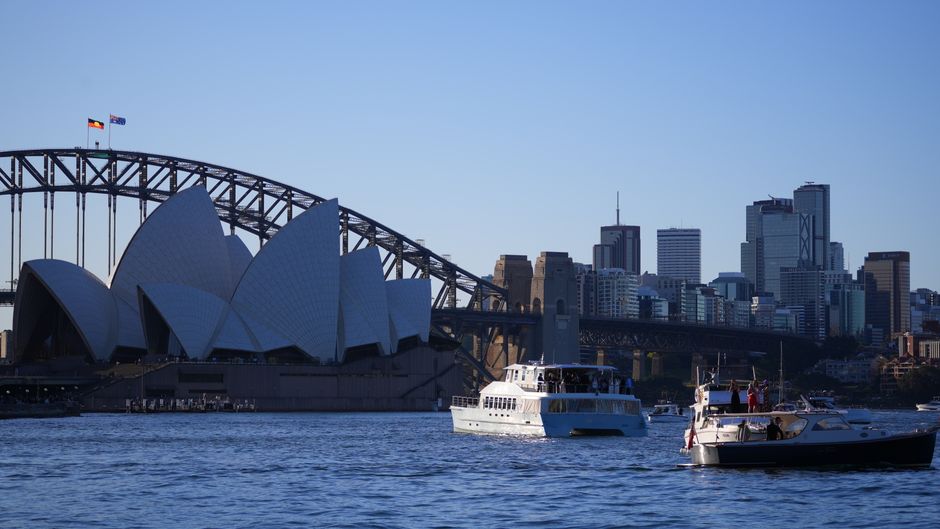
Australia’s two largest cities, Sydney and Melbourne, host eight of the nation’s top ten universities. In the 2026 QS World University Rankings, the University of Melbourne rose to 14th globally, while the University of Sydney climbed to 19th. Combined, these two cities enrol over 200,000 international students annually, according to the Department of Home Affairs 2026 data. For students from the UK, USA, Canada, and Ireland, choosing between Sydney and Melbourne is often the single most consequential decision in their Australian study journey. This editorial provides a structured, evidence-based comparison across admissions, costs, career pathways, and student life—without agency endorsements or outdated data.
University Landscape: The 2026 Tier Comparison
The University of Melbourne and University of Sydney anchor the top tier in their respective cities. Both are members of the Group of Eight (Go8) and consistently rank among the world’s top 50. However, their academic profiles diverge significantly.
Melbourne’s Melbourne Curriculum requires most undergraduate students to complete a broad “New Generation” degree—such as a Bachelor of Arts or Science—before specialising at postgraduate level. This structure suits students who prefer flexibility and interdisciplinary study. In contrast, Sydney follows a more traditional Anglo-American model, offering direct-entry professional degrees like the Bachelor of Commerce or Bachelor of Engineering (Honours) from year one.
Below the flagships, each city offers strong alternatives. In Sydney, UNSW Sydney (QS 2026: 25th) excels in engineering, technology, and business. University of Technology Sydney (UTS) (QS 2026: 88th) is rising rapidly, particularly in data science and design. Macquarie University (QS 2026: 130th) offers strong programs in speech pathology and cognitive science.
In Melbourne, Monash University (QS 2026: 37th) is the largest university in Australia by enrolment, with globally recognised pharmacy and engineering schools. RMIT University (QS 2026: 140th) leads in art, design, and architecture. Deakin University (QS 2026: 233rd) is a strong regional contender with a focus on health and education.
For students targeting specific careers, the choice of city may be secondary to the university’s program strengths. The table below summarises key 2026 metrics for the dominant institutions in each city.
| University | QS 2026 Rank | QS 2025 Rank | Change | International Student Share (2026) |
|---|---|---|---|---|
| University of Melbourne | 14 | 13 | -1 | 42% |
| University of Sydney | 19 | 18 | -1 | 41% |
| UNSW Sydney | 25 | 26 | +1 | 38% |
| Monash University | 37 | 38 | +1 | 40% |
| University of Technology Sydney | 88 | 90 | +2 | 35% |
| RMIT University | 140 | 143 | +3 | 34% |
Sources: QS World University Rankings 2025–2026; Department of Home Affairs 2026 enrolment data.
Admissions Pathways for Global English-Speaking Students
International students from the UK, USA, Canada, and Ireland face distinct entry requirements depending on their prior qualifications. All Australian universities accept A-levels, IB diplomas, American High School GPA with SAT/ACT, and Canadian provincial diplomas with specific grade thresholds.
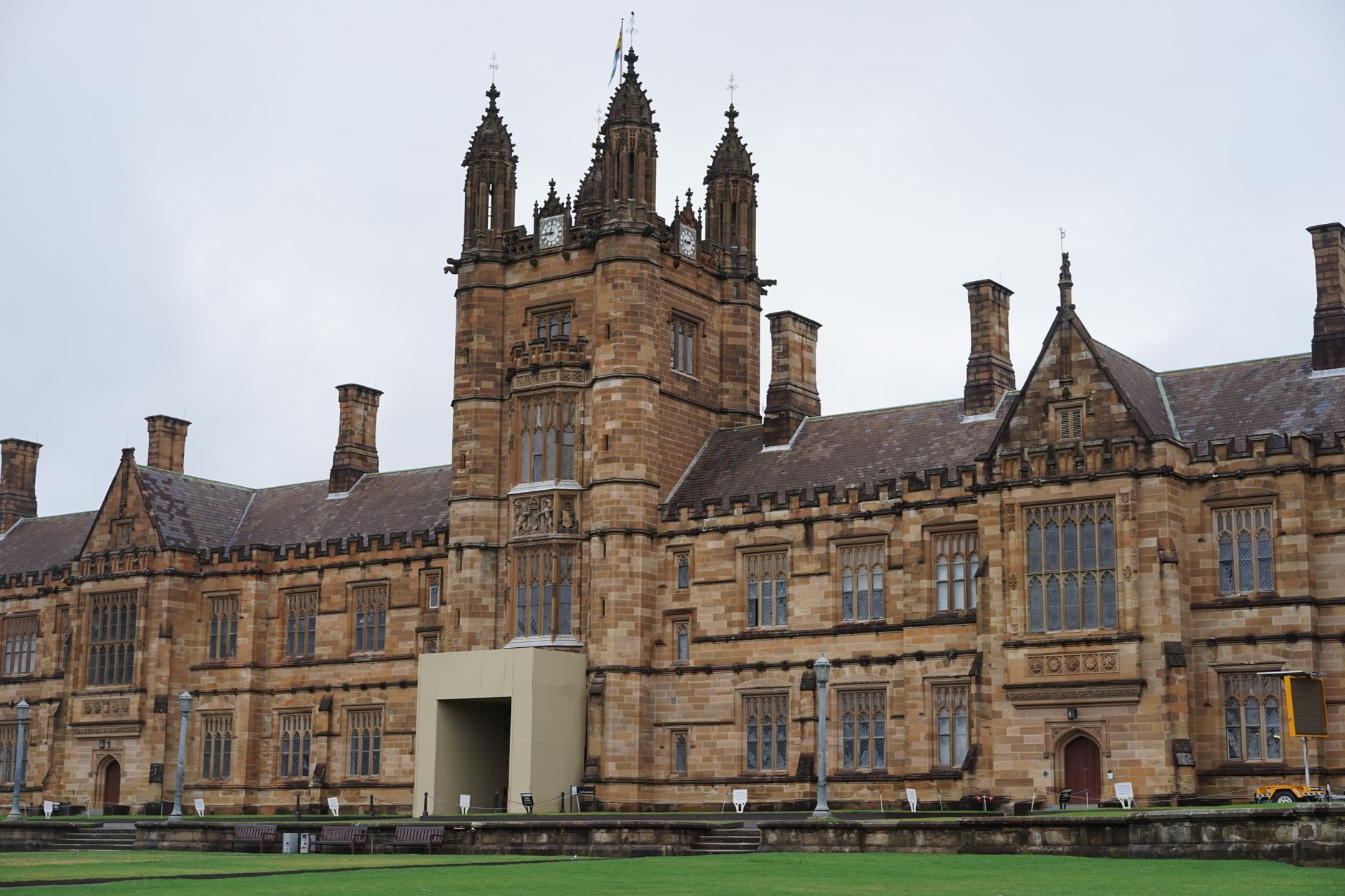
For A-level students, the University of Melbourne typically requires AAA–AAA for competitive courses like Commerce or Biomedicine, while the University of Sydney asks for AAA–AAB. UNSW and Monash are slightly more flexible, often accepting AAA–AAB for engineering and business. IB students need 36–42 points for the top-tier universities, with 38–40 being the typical range for Melbourne and Sydney.
American High School students must present a minimum 3.5 GPA (on a 4.0 scale) plus SAT scores of 1350–1500, or ACT composite scores of 29–33, for direct entry to most bachelor programs. Some universities, such as UTS and RMIT, accept lower thresholds (3.0 GPA + SAT 1200) with pathway programs.
Foundation studies remain the most common route for students who do not meet direct entry requirements. All major universities in both cities offer their own foundation programs. The University of Melbourne’s Trinity College Foundation Studies, for example, has a 94% progression rate to undergraduate programs (2025 data). The University of Sydney’s Centre for English Teaching (CET) also offers a foundation pathway with guaranteed entry upon achieving a 70% average.
Scholarships are available for high-achieving international students. The University of Melbourne offers the Melbourne International Undergraduate Scholarship, worth AUD 10,000–50,000 per year, based on academic merit. The University of Sydney’s Vice-Chancellor’s International Scholarship covers full tuition for up to 30 students annually. UNSW and Monash also offer similar awards. These scholarships are competitive and require separate applications, usually with a deadline in September–October for February intake.
Cost of Living and Tuition: A 2026 Financial Analysis
The cost of studying in Sydney versus Melbourne is a critical factor, particularly given the 2026 Australian dollar exchange rate (approximately 0.65 USD, 0.52 GBP, 0.60 EUR).
Tuition fees vary by program. For international students, annual undergraduate tuition in 2026 ranges as follows:
- Business/Commerce: AUD 45,000–55,000 (Sydney), AUD 42,000–52,000 (Melbourne)
- Engineering/IT: AUD 48,000–58,000 (Sydney), AUD 45,000–55,000 (Melbourne)
- Arts/Humanities: AUD 38,000–46,000 (Sydney), AUD 36,000–44,000 (Melbourne)
- Medicine (MBBS): AUD 70,000–85,000 per year (both cities, typically 6-year programs)
Living expenses differ notably. The Department of Home Affairs 2026 requires international students to demonstrate AUD 29,710 in living costs for a single student, but actual costs are higher in both cities. Sydney is approximately 10–15% more expensive than Melbourne for rent, transport, and groceries. Median weekly rent for a one-bedroom apartment in Sydney’s inner suburbs is AUD 650–800, compared to AUD 550–700 in Melbourne. A shared room in a student house costs AUD 350–500 in Sydney and AUD 300–420 in Melbourne.
On-campus housing is limited in both cities. The University of Sydney offers approximately 4,000 beds across its colleges and residential halls, with weekly costs of AUD 500–800. The University of Melbourne has about 3,500 beds, with similar pricing. Most international students live off-campus in private rentals. Early application (by October for February intake) is essential for on-campus housing.
Public transport is subsidised for students with concession cards. Sydney’s Opal card caps weekly travel at AUD 50 for full-time students; Melbourne’s Myki offers a similar cap at AUD 45. Both cities have extensive train, tram, and bus networks.
Professional Accreditation: CPA Australia, Engineers Australia, and MBBS Pathways
For students pursuing regulated professions, accreditation pathways differ between Sydney and Melbourne.
Accounting: Both cities host universities accredited by CPA Australia and CA ANZ. The University of Sydney’s Bachelor of Commerce (Accounting) and the University of Melbourne’s Bachelor of Commerce (Accounting) both satisfy the core knowledge requirements for CPA Australia. Monash and UNSW also offer CPA-accredited programs. Students should check that their chosen degree includes the required 12–14 units of accounting, finance, and business law. The CPA Australia exam can be taken after graduation; no city-specific advantage exists.
Engineering: Engineers Australia (EA) accreditation is essential for professional engineering registration. In Sydney, UNSW and the University of Sydney offer EA-accredited Bachelor of Engineering (Honours) programs. In Melbourne, the University of Melbourne offers a Master of Engineering (accredited), while Monash offers a direct-entry Bachelor of Engineering (Honours). The key difference: Sydney universities offer more undergraduate direct-entry engineering degrees; Melbourne’s flagship university requires a graduate degree for EA accreditation. Students who prefer a shorter pathway to registration may prefer Sydney.
Medicine (MBBS): Both cities offer highly competitive medical programs. The University of Sydney’s Doctor of Medicine (MD) is a 4-year graduate-entry program requiring a prior bachelor’s degree (GPA ≥ 5.5 on a 7.0 scale) and a strong GAMSAT score (typically 60+). The University of Melbourne’s Doctor of Medicine is also a 4-year graduate-entry program with similar requirements. UNSW offers a 6-year undergraduate-entry Bachelor of Medical Studies/Doctor of Medicine, which is the only direct-entry option for high school leavers in either city. Monash offers a 5-year direct-entry Bachelor of Medical Science and Doctor of Medicine. For students who want to enter medicine straight from high school, Monash and UNSW are the primary options in these cities.
International Student Rights and Support Services
Australia has robust protections for international students under the Education Services for Overseas Students (ESOS) Act and the National Code of Practice. These apply equally in Sydney and Melbourne.
Key rights include:
- Refund protections if the course is not delivered as promised.
- Access to the Overseas Student Ombudsman for complaints.
- Work rights: Up to 48 hours per fortnight during term, unlimited during holidays (2026 policy).
- Post-study work rights: Graduates with a bachelor’s degree can apply for a Temporary Graduate visa (subclass 485) valid for 2–4 years, depending on the qualification and location. Regional campuses (e.g., Deakin Geelong, UNSW Canberra) may offer longer stays.
On-campus support varies. The University of Sydney’s International Student Support Unit offers free academic advising, visa assistance, and mental health counselling. The University of Melbourne’s Student Equity and Disability Support provides similar services. Both cities have dedicated international student societies and orientation programs.
Health insurance is mandatory. The Overseas Student Health Cover (OSHC) costs approximately AUD 500–700 per year for single coverage. All universities list approved OSHC providers on their websites.
Post-Study Work and Migration Pathways
Both cities offer strong post-study work opportunities, but the Skilled Occupation List (SOL) and state nomination programs differ.
Sydney, as part of New South Wales, has a larger job market in finance, technology, and professional services. The NSW 190/491 visa nomination program prioritises occupations such as software engineer, accountant, and civil engineer. In 2025–26, NSW allocated 4,000 nomination places for skilled migrants.
Melbourne, in Victoria, has a strong health, education, and manufacturing sector. The Victorian 190/491 program targets occupations like registered nurse, secondary school teacher, and ICT business analyst. Victoria allocated 3,500 nomination places in the same period.
Graduate employment outcomes are comparable. The 2025 Graduate Outcomes Survey reported a median full-time employment rate of 88% for University of Sydney graduates and 87% for University of Melbourne graduates within four months of completion. UNSW and Monash reported 89% and 86%, respectively.
For students aiming for permanent residency, studying in a regional area (e.g., Wollongong near Sydney, Geelong near Melbourne) can provide additional points and longer post-study work rights. However, within the central cities, no significant advantage exists.
Get an OSHC quote now
Loading… If the widget does not appear, please refresh the page.

FAQ
Q1: What are the minimum A-level or IB scores required for direct entry to the University of Sydney or University of Melbourne in 2026?
A1: For the University of Sydney, competitive programs typically require A-level grades of AAA–AAB or IB scores of 38–42. The University of Melbourne requires AAA–AAA or IB 36–40. Specific program requirements vary. For example, the Bachelor of Commerce at Sydney requires A*AA (A-levels) or 39 (IB); at Melbourne, it requires AAA (A-levels) or 38 (IB). Always check the university’s international admission page for the current intake year.
Q2: How much does it cost to live in Sydney versus Melbourne for an international student in 2026?
A2: The Department of Home Affairs 2026 requires students to demonstrate AUD 29,710 in living costs annually, but actual costs are higher. Sydney is 10–15% more expensive. A student living in shared accommodation in Sydney should budget AUD 25,000–35,000 per year for rent, food, transport, and utilities. In Melbourne, the equivalent budget is AUD 22,000–30,000. These figures exclude tuition, health insurance, and personal expenses.
Q3: Can international students work while studying in Sydney or Melbourne in 2026?
A3: Yes. Under current 2026 policy, international students on a student visa can work up to 48 hours per fortnight during academic terms and unlimited hours during scheduled holidays. This applies to both Sydney and Melbourne. Students must maintain satisfactory course attendance and progress. The minimum wage in Australia is AUD 24.10 per hour (2026), meaning a student working 24 hours per week during term can earn approximately AUD 1,150 per fortnight before tax.
References
- QS Quacquarelli Symonds, 2026, QS World University Rankings 2026
- Department of Home Affairs, 2026, Student Visa and Migration Statistics
- Universities Australia, 2026, International Student Enrolment Data
- Graduate Careers Australia, 2025, Graduate Outcomes Survey
- Australian Government, 2026, Education Services for Overseas Students (ESOS) Act