2026-05-21 · Tessa Shaw
Perth vs Adelaide Universities: A Data-Driven Comparison for International Students in 2026
Australia’s tertiary sector recorded 713,000 international student enrolments in 2025, with Western Australia and South Australia accounting for 12.3% of that t

Australia’s tertiary sector recorded 713,000 international student enrolments in 2025, with Western Australia and South Australia accounting for 12.3% of that total combined, according to the Department of Home Affairs 2026 projections. The University of Adelaide and the University of Western Australia both rank in the QS World University Rankings 2026 top 100, yet the two cities differ sharply in cost, climate, and post-study pathways. This article provides a structured comparison for students from the UK, US, Canada, and other English-speaking regions weighing Perth versus Adelaide.
Cost of Living: Adelaide is 18% Cheaper but Perth Offers Higher Wages
Adelaide’s median weekly rent for a one-bedroom apartment in the city centre was AUD 420 in early 2026, compared to Perth’s AUD 510, according to data from the Australian Bureau of Statistics 2026 rental index. Groceries and utilities are also lower in Adelaide: a monthly grocery bill for a single person averages AUD 380, versus AUD 440 in Perth. For international students on a budget, Adelaide presents a more affordable base.
Perth, however, offers higher part-time wage rates. The minimum casual wage for hospitality workers in Western Australia is AUD 31.50 per hour as of July 2026, compared to AUD 30.20 in South Australia. The difference stems from Western Australia’s mining-driven economy, which pushes up wages across all sectors. Students working 20 hours per week during term could earn approximately AUD 630 per week in Perth versus AUD 604 in Adelaide.
On-campus housing costs also diverge. The University of Western Australia (UWA) charges AUD 380–520 per week for its residential colleges in 2026. The University of Adelaide’s on-campus accommodation ranges from AUD 290–440 per week. Both institutions guarantee first-year international students a place if they apply by the November deadline. Students from the UK or US accustomed to higher housing costs will find both cities significantly cheaper than London or New York.
University Rankings and Program Strengths: UWA and Adelaide in the Top 100
The University of Western Australia ranks 72nd in the QS World University Rankings 2026, while the University of Adelaide ranks 89th. Both are members of the Group of Eight (Go8), Australia’s coalition of research-intensive universities. For students targeting global employability, a Go8 degree carries weight with employers in finance, law, and engineering.
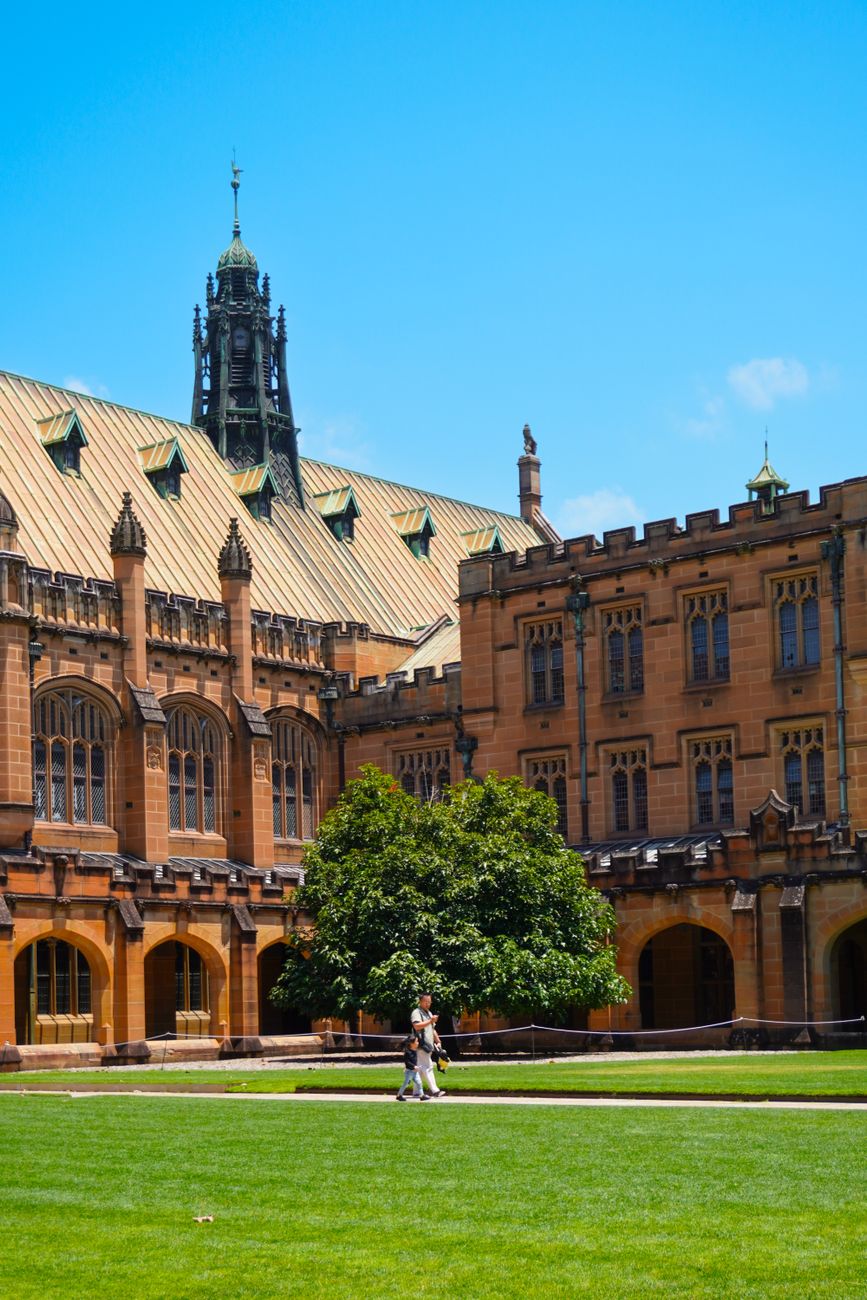
UWA excels in mining and mineral engineering, ranked 2nd globally in the QS subject rankings 2026. Adelaide is stronger in viticulture and oenology, holding the 1st position globally for wine science. For students pursuing a Bachelor of Engineering (Honours), both programs are accredited by Engineers Australia, which is required for professional registration in Australia and recognised under the Washington Accord internationally.
The MBBS pathway at both universities is competitive. UWA’s Doctor of Medicine requires a Graduate Australian Medical School Admissions Test (GAMSAT) score of at least 58 and a minimum GPA of 5.0. Adelaide’s medical program requires a GAMSAT score of 57 and a GPA of 5.2. Both programs accept international students, but places are capped: UWA offers 40 international places annually, Adelaide 35. UK students with A-levels in chemistry and biology at grade A or higher are eligible for direct entry into undergraduate medical pathways, but must also sit the UCAT ANZ.
Admission Pathways for Global English Readers: A-Level, IB, SAT, and IGCSE
Students from the UK, US, Canada, and other English-speaking countries follow distinct admissions routes. For UK students, A-level requirements differ by university. UWA typically asks for ABB for engineering and BBB for arts or business. Adelaide asks for AAB for medicine-related programs and BBB for most other degrees. International Baccalaureate (IB) students need a total of 32 points for UWA and 30 points for Adelaide in most programs.
American high school students must submit a high school GPA of at least 3.0 on a 4.0 scale for UWA and 2.8 for Adelaide. SAT scores are required for some programs: UWA asks for a minimum 1250 for engineering, while Adelaide requires 1200. Both universities accept Advanced Placement (AP) credits: a score of 4 or 5 in AP subjects can waive first-year prerequisites.
IGCSE results are used as a benchmark for English proficiency. A grade of C or higher in IGCSE English as a First Language meets the English requirement at both UWA and Adelaide, removing the need for IELTS or TOEFL. Students with IGCSE English as a Second Language must achieve a grade B or higher. This pathway is particularly useful for students from Hong Kong, Singapore, Malaysia, and other Commonwealth countries.
Scholarships and Financial Support: Up to AUD 30,000 Available
Both universities offer substantial scholarships for international students from English-speaking countries. UWA’s Global Excellence Scholarship provides AUD 15,000 per year for up to four years, awarded based on ATAR-equivalent scores of 95 or above. For 2026, UWA allocated 200 of these scholarships to international students.
Adelaide’s Global Citizens Scholarship offers a 15% tuition fee reduction for the entire duration of study, with no separate application required. Students with an ATAR-equivalent of 90 or higher qualify. For students from the UK, US, or Canada, the scholarship applies automatically when the offer letter is issued.
The Australia Awards Scholarship, funded by the Australian government, covers full tuition, airfares, and living costs. It is merit-based and requires a separate application through the Department of Foreign Affairs and Trade. In 2026, the program allocated 1,200 places globally, with priority given to students from developing countries in the Indo-Pacific region. English-speaking students from developed nations are not eligible, but those from Commonwealth countries such as Kenya, Nigeria, or Pakistan may apply.
Post-Study Work Rights and Migration Pathways
Australia’s post-study work rights remain generous in 2026. Graduates with a bachelor’s degree from a regional campus—which includes both Adelaide and Perth—qualify for an additional year of the Temporary Graduate visa (subclass 485) . The standard two-year post-study work period extends to three years for regional graduates. For master’s by coursework graduates, the period is three years plus one additional year for regional study, totalling four years.
Adelaide and Perth are both classified as regional areas by the Department of Home Affairs. This classification provides extra points under the Skilled Migration points test: five additional points for studying and living in a regional area for at least two years. Graduates in occupations on the Skilled Occupation List (SOL) —such as engineering, nursing, and IT—receive priority processing.
CPA Australia accreditation is available for accounting programs at both universities. UWA’s Bachelor of Commerce (Accounting) and Adelaide’s Bachelor of Accounting both satisfy the CPA Australia academic requirements. Students completing these programs can apply for the CPA Australia Associate membership immediately after graduation, which strengthens their migration application. For engineers, both universities’ programs are accredited by Engineers Australia, allowing graduates to apply for the Skilled Independent visa (subclass 189) without additional assessment.
On-Campus Housing and Student Life
On-campus housing availability differs significantly. UWA offers approximately 2,500 beds across six residential colleges, with a waitlist of 300 students in 2026. Adelaide offers 1,800 beds across four colleges, with a shorter waitlist of 150. Both universities guarantee housing for first-year international students who apply by November 30.

Student rights under Australian consumer law are robust. The Education Services for Overseas Students (ESOS) Act requires universities to provide refunds if courses are cancelled or if students are unable to complete their studies due to university fault. Both UWA and Adelaide have internal grievance procedures, and students can escalate complaints to the Ombudsman if unresolved.
Social life varies. Perth’s campus culture is more outdoors-oriented, with beaches 15 minutes from UWA. Adelaide’s city-centre campus offers easy access to cafes, bars, and the Adelaide Fringe Festival in March. Students from the UK or US may find Adelaide’s pace slower, while Perth’s proximity to mining towns and natural attractions appeals to students seeking adventure.
FAQ
Q1: What is the exact cost difference for tuition between UWA and Adelaide for international students in 2026?
A1: For 2026, the University of Western Australia charges AUD 42,000–48,000 per year for most bachelor’s programs, while the University of Adelaide charges AUD 39,000–44,000 per year. Engineering programs at UWA cost AUD 46,000 annually, compared to AUD 42,500 at Adelaide. Medicine is the most expensive: UWA’s Doctor of Medicine costs AUD 72,000 per year, while Adelaide’s costs AUD 68,000. These figures are from the universities’ 2026 fee schedules published in November 2025.
Q2: Can I use my UK A-level results to apply directly to both universities, and what are the minimum grades?
A2: Yes, both universities accept UK A-level results for direct entry. For UWA, minimum requirements are: ABB for engineering, BBB for arts/business, and AAB for medicine-related programs. For Adelaide, minimums are: ABB for engineering, BBB for arts/business, and AAB for medicine. Both universities also accept AS-level results for conditional offers. UCAS tariff points are not used; individual grades are assessed. Offers are typically made within 10 working days of application submission.
Q3: How do post-study work rights differ between Perth and Adelaide for graduates in 2026?
A3: Both cities are classified as regional areas, so graduates receive the same extended post-study work rights. A bachelor’s graduate from either city qualifies for a three-year Temporary Graduate visa (subclass 485) instead of the standard two years. A master’s graduate receives four years. Additionally, both cities offer five extra points under the skilled migration points test for regional study. The key difference is that Perth’s stronger economy may offer more job opportunities during the post-study work period, with mining and resources sectors paying higher wages than Adelaide’s manufacturing and services sectors.
References
- Department of Home Affairs, 2026, International Student Visa and Migration Data
- QS World University Rankings, 2026, University Rankings and Subject Rankings
- Australian Bureau of Statistics, 2026, Rental and Consumer Price Index Data
- Universities Australia, 2025, International Student Enrolment Statistics
- Engineers Australia, 2025, Accreditation of Engineering Programs