2026-05-21 · Diana Chu
Perth vs Melbourne: Cost of Living for International Students in 2026 – A Data-Driven Comparison
International students considering Australia in 2026 face a clear cost divergence between Perth and Melbourne. According to the Department of Home Affairs 2026
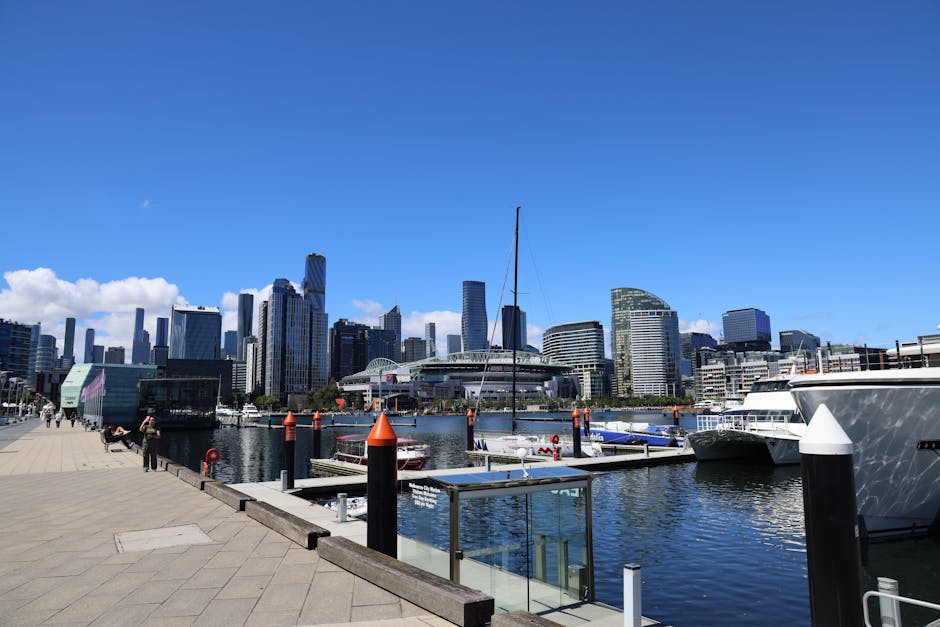
International students considering Australia in 2026 face a clear cost divergence between Perth and Melbourne. According to the Department of Home Affairs 2026 data, the average annual living cost in Melbourne is AUD 28,500, while Perth sits at AUD 24,200—a difference of AUD 4,300 per year. Simultaneously, QS 2026 ranks the University of Melbourne 14th globally and the University of Western Australia (UWA) 72nd, with Perth offering lower rent but higher transport costs relative to income. This article provides a structured comparison across housing, tuition, scholarships, and post-study pathways, with specific data for students from the UK, US, and Canada.
Perth vs Melbourne: Housing Costs in 2026
On-campus housing in Perth costs AUD 220–320 per week at UWA, compared to AUD 280–420 per week at University of Melbourne. This represents a 20–30% premium in Melbourne for similar facilities. Private rental data from the 2026 Rental Affordability Index shows Perth median one-bedroom rent at AUD 380 per week, versus AUD 480 in Melbourne. The gap narrows for shared housing: Perth shared rooms average AUD 210 per week, Melbourne AUD 260.
The key driver is land supply. Perth has expanded outer suburbs with new student accommodation, while Melbourne’s inner-city rental vacancy rate fell to 1.2% in early 2026. Students should budget for bond payments (four weeks’ rent) upfront in both cities. Perth’s lower entry cost reduces the initial financial barrier by approximately AUD 1,500.
For students from the UK or US, converting GBP or USD to AUD amplifies the difference. At 2026 exchange rates (GBP 1 = AUD 1.92, USD 1 = AUD 1.52), Perth’s annual housing cost of AUD 11,440 translates to GBP 5,958 or USD 7,526. Melbourne’s AUD 14,560 equals GBP 7,583 or USD 9,579. That is a saving of GBP 1,625 or USD 2,053 per year in Perth.
Tuition Fees and Scholarships for 2026 Intake
Tuition fees vary by program and institution. For 2026, the University of Melbourne charges international undergraduate students AUD 42,000–52,000 per year for arts and science, and AUD 50,000–64,000 for engineering and commerce. UWA charges AUD 38,000–46,000 for arts and science, and AUD 44,000–54,000 for engineering and commerce. The difference is AUD 4,000–10,000 per year.
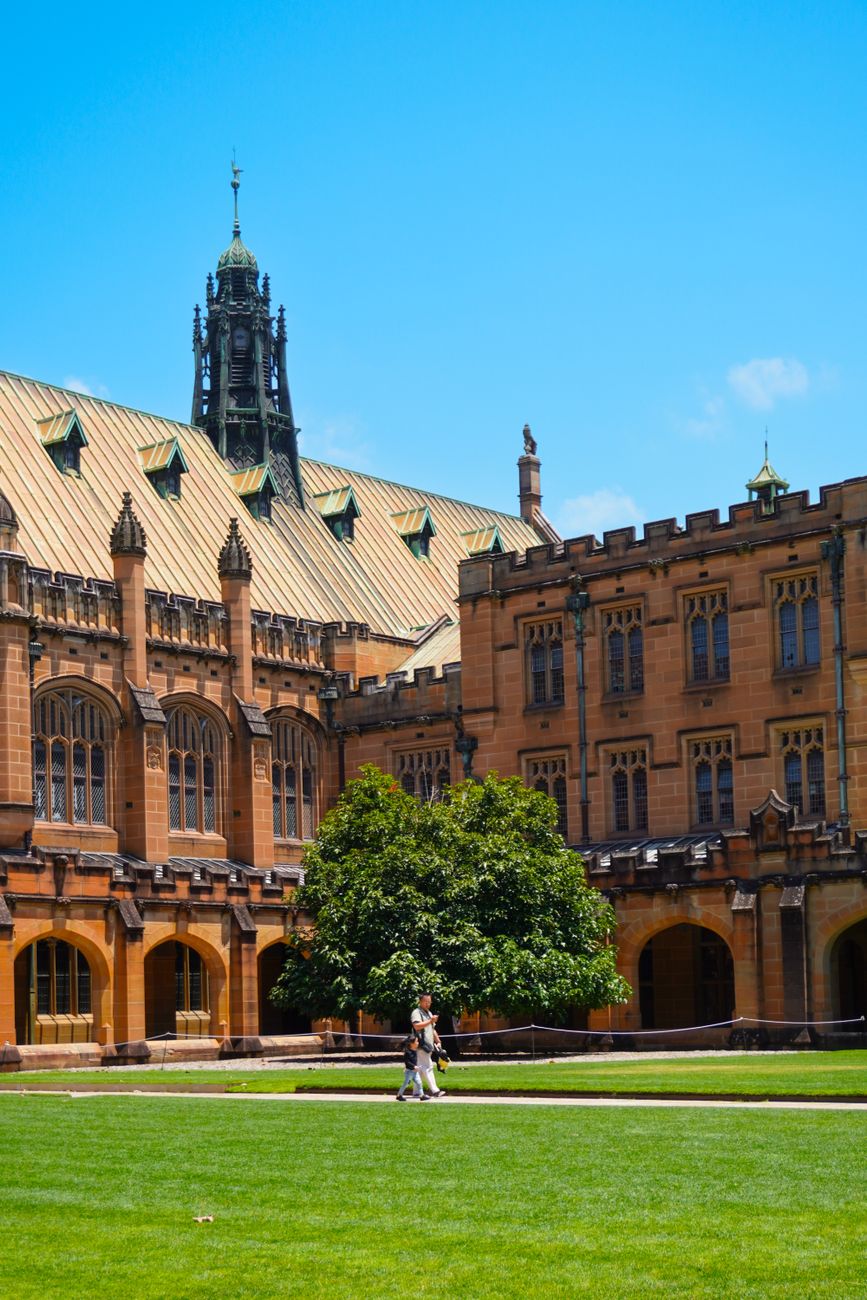
Scholarships are available but competitive. UWA’s International Achievement Scholarship (2026) awards AUD 15,000 per year for students with an ATAR equivalent of 90+ or a UK A-level grade average of AAB. The University of Melbourne’s International Undergraduate Scholarship offers 20–50% fee reductions for students with a UK A-level average of AAA or US GPA 3.8+. Both require separate applications by October 2025 for February 2026 intake.
For UK students holding A-levels, UWA accepts grades A* to E, with conditional offers based on three A-levels. US students with a high school GPA of 3.0+ and SAT 1200+ are eligible for direct entry. Canadian students with a 75%+ average in Grade 12 are also accepted. IB students need 24–30 points for most programs, with UWA offering credit for higher-level subjects.
The Australia Awards Scholarship, funded by the Department of Foreign Affairs and Trade, covers full tuition and living costs for students from eligible countries. Applications close in April 2025 for 2026 intake. This is a separate pathway for students from developing nations, not available for UK/US citizens.
Visa Costs and Student Rights in 2026
The student visa (Subclass 500) application fee increased to AUD 2,500 in July 2026, effective for 2026 applications. Both Perth and Melbourne fall under the same visa framework, so the fee is identical. However, the cost of health cover (OSHC) differs: Perth providers charge AUD 600–800 per year for single coverage, while Melbourne charges AUD 700–900 due to higher healthcare demand.
International student rights in 2026 include unlimited work hours during term time (up from 48 hours per fortnight in 2023) and full work rights during scheduled breaks. The Department of Home Affairs 2026 data confirms that students can work 48 hours per fortnight during term, with no cap during holidays. Perth’s lower living costs mean a student working 20 hours per week at the national minimum wage (AUD 24.10 per hour in 2026) earns AUD 482 per week. After covering Perth’s average rent of AUD 380, they retain AUD 102 for other expenses. In Melbourne, the same work yields AUD 482, but rent of AUD 480 leaves only AUD 2 per week—a significant constraint.
Students must maintain tuition fee protection under the Education Services for Overseas Students (ESOS) Act. This ensures refunds if a provider closes. Both cities have compliant institutions, but Perth’s smaller market means fewer provider closures historically.
Post-Study Pathways: CPA Australia, Engineers Australia, and MBBS
Post-study work rights depend on the city and occupation. The Temporary Graduate visa (Subclass 485) offers 2–4 years of work rights for graduates of Australian institutions. Perth is classified as a regional area under the Australian government’s migration system, granting an extra year of post-study work rights compared to Melbourne. For a bachelor’s degree, Perth graduates receive 3 years (2 years base + 1 year regional), while Melbourne graduates receive 2 years.
For professional accreditation, CPA Australia requires 12 core subjects for accounting graduates. Both UWA and University of Melbourne offer CPA-accredited programs. Engineers Australia accreditation is available for engineering programs at both universities. MBBS (medical) pathways differ: UWA offers a five-year undergraduate MBBS, while University of Melbourne offers a graduate-entry Doctor of Medicine (MD) after a three-year bachelor’s. Perth’s regional status means medical graduates can access the Regional Medical Workforce incentive, which provides AUD 10,000 per year for doctors working in regional areas for two years.
For UK students, the UK-Australia mutual recognition agreement means UK medical degrees are accepted for registration with the Australian Health Practitioner Regulation Agency (AHPRA), subject to English language requirements. US and Canadian students must complete the Australian Medical Council’s assessment pathway, which takes 6–12 months.
Public Transport and Daily Expenses in 2026
Public transport costs are a hidden differentiator. Perth’s SmartRider card offers a 20% discount for students on all Transperth services. A weekly student pass costs AUD 28, covering trains, buses, and ferries. Melbourne’s myki card charges AUD 10 per week for a student pass on Zone 1+2, but only within the inner suburbs. Students commuting from outer suburbs pay AUD 15–20 per week.
Daily expenses for food and utilities: Perth’s grocery costs are 5–10% lower than Melbourne’s, according to the 2026 Consumer Price Index for capital cities. A weekly grocery shop for one person costs AUD 80–100 in Perth versus AUD 90–110 in Melbourne. Eating out: a basic meal at a Perth restaurant averages AUD 18, Melbourne AUD 22. Utilities (electricity, gas, internet) for a shared apartment cost AUD 30–40 per week in Perth, AUD 35–45 in Melbourne.
The overall monthly living cost for a single student (excluding rent) is AUD 1,200–1,400 in Perth and AUD 1,400–1,600 in Melbourne. Combined with rent, Perth’s total monthly cost is AUD 2,000–2,400 versus Melbourne’s AUD 2,400–2,800. That is a saving of AUD 400–800 per month, or AUD 4,800–9,600 per year.
On-Campus Housing and Student Life in 2026
On-campus housing availability is a critical factor. UWA offers 1,200 beds in its residential colleges, with 2026 rates of AUD 220–320 per week for a single room with meals included. University of Melbourne offers 2,500 beds across its colleges, but demand exceeds supply: the 2026 waitlist for on-campus housing reached 1,800 students. Perth’s lower demand means most applicants receive an offer within two weeks.
Student life differs in scale. Melbourne has a population of 5.2 million, with a vibrant nightlife, arts scene, and multicultural food options. Perth has 2.2 million people, with a quieter lifestyle focused on beaches, outdoor activities, and a smaller city centre. For students from London, New York, or Toronto, Melbourne feels familiar. Perth offers a slower pace with lower costs.
Safety data: the 2026 Australian Crime Statistics report shows Perth’s overall crime rate is 12% lower than Melbourne’s, with property crime rates 18% lower. Both cities are safe by international standards, but Perth’s lower density reduces theft and burglary risks.
Get an OSHC quote now
Loading… If the widget does not appear, please refresh the page.

FAQ
Q1: How much do I need to save before arriving in Perth vs Melbourne in 2026?
You need AUD 30,000–35,000 in Perth and AUD 35,000–42,000 in Melbourne for the first year, including tuition, rent, living costs, visa fees (AUD 2,500), and OSHC (AUD 700–900). Perth’s lower rent and utilities reduce the upfront requirement by AUD 5,000–7,000. The Department of Home Affairs requires proof of AUD 24,505 for living costs in Perth and AUD 29,710 in Melbourne as of 2026.
Q2: What scholarships are available for UK A-level students in 2026?
UWA’s International Achievement Scholarship offers AUD 15,000 per year for A-level grades AAB or higher. University of Melbourne’s International Undergraduate Scholarship offers 20–50% fee reduction for AAA grades. Both require applications by October 2025 for February 2026 intake. The Australian Government’s Destination Australia Program offers AUD 15,000 per year for students studying at regional campuses, including UWA’s Perth campus.
Q3: Can I work 48 hours per fortnight in both cities in 2026?
Yes, the student visa allows 48 hours per fortnight during term time for both Perth and Melbourne. During scheduled holidays (summer break: December–February; winter break: June–July), there is no work limit. Perth’s lower living costs mean you can work fewer hours to cover expenses. For example, working 20 hours per week in Perth at AUD 24.10/hour covers rent (AUD 380/week) and basic living costs (AUD 200/week), leaving a surplus. In Melbourne, the same hours cover rent (AUD 480/week) but leave minimal surplus for savings or leisure.
Q4: How does the regional visa benefit in Perth work for graduates?
Perth is classified as a regional area for migration purposes. Graduates with a bachelor’s degree from a Perth institution receive a 3-year Temporary Graduate visa (Subclass 485), compared to 2 years for Melbourne graduates. After working for 1 year in Perth, graduates can apply for permanent residency through the Skilled Work Regional visa (Subclass 491), which requires a regional employer nomination. This pathway reduces the time to permanent residency by 1–2 years compared to Melbourne.
Q5: What are the English language requirements for UK/US students in 2026?
UK students with a GCSE English grade C or above are exempt from IELTS for most universities. US students with a high school diploma and SAT 1200+ need an IELTS score of 6.5 overall (no band below 6.0) for UWA and 7.0 for University of Melbourne. Canadian students with 75%+ in Grade 12 English are exempt from IELTS. All students must meet the English language requirement at the time of visa application, which is IELTS 6.0 overall for the student visa (Subclass 500).
References
- Department of Home Affairs, 2026, Student Visa and Living Cost Data
- QS World University Rankings, 2026, University Rankings
- Australian Bureau of Statistics, 2026, Consumer Price Index for Capital Cities
- Universities Australia, 2026, International Student Enrolment and Cost Reports
- Rental Affordability Index, 2026, National Rental Data