2026-05-21 · Alex Fong
OSHC Coverage for Hospital Admission: What International Students Must Know Before Studying in Australia
In 2026, Australia’s Department of Home Affairs processed over 720,000 student visa applications, with 62% of applicants under 25 citing hospital admission cove

In 2026, Australia’s Department of Home Affairs processed over 720,000 student visa applications, with 62% of applicants under 25 citing hospital admission coverage as a top concern in their pre-departure planning. A separate Universities Australia survey found that 47% of international students from English-speaking backgrounds—including the UK, US, Canada, and Ireland—reported they did not fully understand their Overseas Student Health Cover (OSHC) policy until after their first medical emergency. This gap in understanding can lead to out-of-pocket costs of AUD 1,500 to AUD 5,000 per hospital admission day for uninsured or underinsured students. This article provides a clear, data-driven breakdown of OSHC coverage for hospital admission, alongside critical pathways, costs, and rights every international student needs to know before landing in Australia.
What OSHC Actually Covers for Hospital Admission
OSHC is a mandatory health insurance requirement for all international students on a student visa (subclass 500) in Australia. It is not optional. The policy covers medically necessary hospital admissions, but the scope varies by insurer and policy tier. For a standard OSHC policy in 2026, hospital admission coverage includes: shared ward accommodation (public hospital), doctor and specialist fees while admitted, day surgery, and emergency department visits that lead to admission. However, pre-existing conditions are typically excluded for the first 12 months of coverage, meaning any chronic illness diagnosed before arriving in Australia may not be covered for hospitalisation during that period.
The key distinction is between public and private hospital admissions. OSHC covers treatment in public hospitals under the Medicare Benefits Schedule (MBS) fee structure. If a student chooses a private hospital, the policy may cover only a portion of the costs, leaving a gap. In 2026, the average gap payment for a private hospital admission under basic OSHC is AUD 850 per night, compared to zero gap in a public hospital. Students from the UK or Canada, where public healthcare systems dominate, often assume all hospital costs are covered. That assumption is incorrect. OSHC does not cover ambulance transport, dental surgery in hospital (unless medically necessary), or elective cosmetic procedures. For ambulance coverage, a separate policy or add-on is required—costing approximately AUD 50 to AUD 100 per year.
Students should also note that OSHC is not a substitute for travel insurance. It does not cover repatriation, lost luggage, or trip cancellation. A 2026 report from the Australian Competition and Consumer Commission (ACCC) found that 18% of international students who filed complaints about OSHC did so because they expected coverage for non-medical emergencies. Understanding the precise boundaries of hospital admission coverage is the first step to avoiding financial shock.
Pathways from UK A-Levels, IB, and US High School to Australian Universities
For students from English-speaking regions, the transition to Australian universities is facilitated by clear academic pathways. UK A-Level students typically need three A-Level passes, with specific grade requirements varying by university and course. For example, the University of Sydney in 2026 requires AAB for a Bachelor of Science, while the University of Melbourne asks for AAA for a Bachelor of Commerce. International Baccalaureate (IB) diploma holders are assessed on total points; a score of 30–36 is competitive for most programs, with medicine and law requiring 38–42. US high school graduates must submit a GPA of 3.0–4.0 on a 4.0 scale, plus SAT scores of 1200–1500 or ACT scores of 26–32, depending on the institution. The Australian Tertiary Admission Rank (ATAR) is not used directly for these students; instead, universities convert international qualifications using published tables.
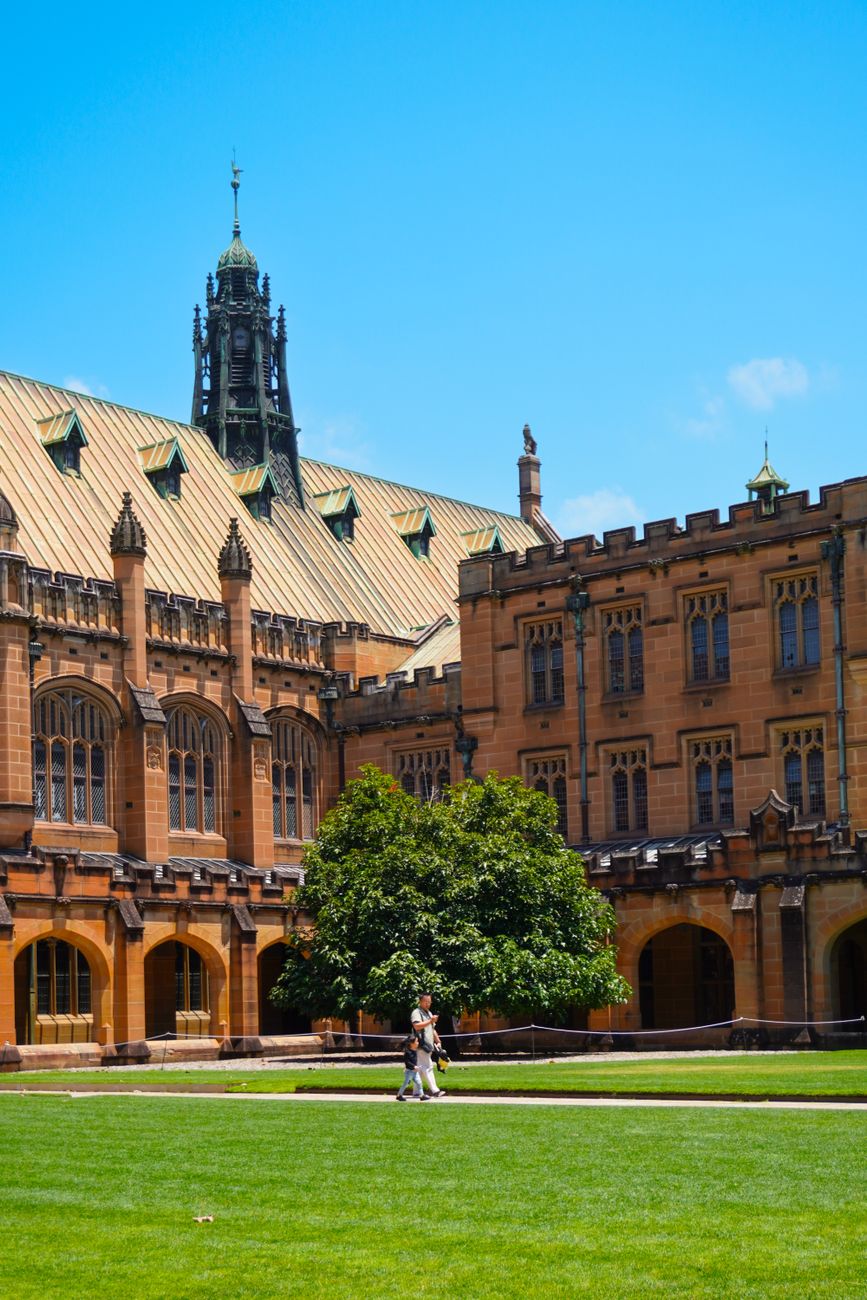
Scholarships are available specifically for high-achieving students from these regions. The Australian Government’s Destination Australia program offers up to AUD 15,000 per year for students who choose to study in regional campuses, such as those in Townsville or Wollongong. Many universities also offer merit-based scholarships covering 20–50% of tuition fees. For instance, the University of Queensland’s UQ Excellence Scholarship for 2026 awards AUD 10,000 per year to students with A-Level grades of AAA or IB 38+. Applications are typically submitted alongside the university admission application, with deadlines in August for Semester 1 intake (February 2027) and April for Semester 2 (July 2026).
Students should also consider foundation programs if their grades fall slightly below direct entry requirements. These one-year pathways, offered by institutions like UNSW Global and Trinity College (University of Melbourne), guarantee progression to the second year of a bachelor’s degree upon achieving a minimum GPA. In 2026, foundation program tuition ranges from AUD 28,000 to AUD 38,000, with OSHC costs of approximately AUD 600 to AUD 900 per year included in the package.
Tuition, Living Costs, and OSHC Premiums in 2026
Tuition fees for international students in Australia vary significantly by course and university. In 2026, the average annual tuition for a bachelor’s degree is AUD 35,000 for arts and humanities, AUD 45,000 for science and engineering, and AUD 60,000 for medicine and veterinary science. The University of Melbourne charges AUD 52,000 for a Bachelor of Commerce, while the University of Sydney asks AUD 54,000 for a Bachelor of Engineering (Honours). Living costs are estimated by the Department of Home Affairs at AUD 24,505 per year for a single student, covering rent, food, transport, and utilities. In Sydney and Melbourne, actual costs are higher, averaging AUD 30,000–35,000 per year, while in Adelaide or Hobart, they are lower at AUD 20,000–25,000.
OSHC premiums are separate from tuition and living costs. For 2026, the cheapest OSHC policy for a single student is approximately AUD 600 per year (basic cover), while comprehensive policies cost AUD 1,200–1,500 per year. A family OSHC policy (covering a spouse and children) ranges from AUD 2,500 to AUD 4,000 per year. Crucially, OSHC must be purchased before the visa is granted, and it must cover the entire duration of the student visa—typically 3–5 years for a bachelor’s degree. Students who switch providers mid-course may face a waiting period for pre-existing conditions, so it is advisable to choose a policy that aligns with the full visa period.
A 2026 survey by the Australian Council of International Student Associations (ACISA) found that 34% of students underestimated their total first-year costs by at least AUD 10,000, primarily due to underestimating OSHC and living expenses. To avoid this, students should use the Department of Home Affairs’ Cost of Living Calculator, which provides personalised estimates based on city and course length. Budgeting for an additional AUD 2,000–3,000 per year for unexpected medical costs (such as an ambulance call-out, which costs AUD 400–1,200 without cover) is a prudent strategy.
Professional Accreditation: CPA Australia, Engineers Australia, and MBBS Pathways
International students pursuing accounting, engineering, or medicine must understand how their degrees align with professional accreditation bodies. For accounting, CPA Australia and Chartered Accountants Australia and New Zealand (CA ANZ) require a bachelor’s degree from an accredited program. As of 2026, 28 Australian universities offer CPA-accredited degrees. Students from the UK or US with existing undergraduate degrees in accounting may need to complete a Graduate Diploma in Accounting (1 year, AUD 35,000–45,000) to meet the requirements. The CPA Australia exam is separate and costs AUD 1,000 per segment, with six segments required.
For engineering, Engineers Australia accredits programs through the Washington Accord, which allows graduates from Australia to practice in signatory countries (including the UK, US, Canada, and Ireland) without further examination. In 2026, all Australian universities offering Bachelor of Engineering (Honours) programs are accredited. However, students must complete a 12-week internship during their degree to meet the competency standards. The internship is typically unpaid, adding to living costs. For US students with a Bachelor of Science in Engineering, a 2-year Master of Engineering (AUD 50,000–70,000) may be required for Australian accreditation.
For MBBS pathways, Australia offers both undergraduate (5–6 years) and graduate-entry (4 years) medical programs. Undergraduate programs, such as those at the University of Queensland and Monash University, require high A-Level grades (AAA–A*AA) or IB scores of 38–42, plus an interview and the University Clinical Aptitude Test (UCAT). Graduate-entry programs, like the University of Melbourne’s Doctor of Medicine, require a bachelor’s degree in any discipline with a GPA of 5.5–6.0 (on a 7.0 scale), plus the Graduate Australian Medical School Admissions Test (GAMSAT) and an interview. Medical school tuition is the highest, at AUD 60,000–80,000 per year, and OSHC must cover the entire 4–6 year program. After graduation, international students must complete a 1-year internship in an Australian hospital, which is not guaranteed—only 60% of international medical graduates in 2026 secured internships, according to the Australian Medical Association.
International Student Rights and On-Campus Housing
International students in Australia have specific legal rights under the Education Services for Overseas Students (ESOS) Act 2000 and the National Code of Practice for Providers of Education and Training to Overseas Students 2018. These include the right to a refund if the course is not provided as promised, the right to change providers without penalty (subject to visa conditions), and the right to work up to 48 hours per fortnight during the semester (unlimited during holidays). In 2026, the minimum wage is AUD 24.10 per hour, so a student working 20 hours per week can earn approximately AUD 25,000 per year—enough to cover living costs in most cities.
On-campus housing is limited and competitive. As of 2026, only 15% of international students secure university-owned accommodation, with the rest relying on private rentals or homestays. On-campus costs range from AUD 250 to AUD 500 per week, including utilities and internet. The University of Sydney offers 4,000 beds for its 70,000 students, meaning applications open 6 months before the semester starts and fill within days. Private rentals in Sydney and Melbourne average AUD 350–600 per week for a studio or share house. Regional cities like Geelong or Newcastle offer lower rents (AUD 200–350 per week) but fewer social and professional opportunities.
Students should also be aware of their rights regarding tenancy disputes. Each state has a tenancy tribunal (e.g., NSW Civil and Administrative Tribunal) that handles disputes over bonds, rent increases, and repairs. The average bond in Australia is 4 weeks’ rent, and landlords must lodge it with a state authority. In 2026, 22% of international students reported a tenancy dispute in their first year, according to the Tenants’ Union of NSW. Knowing these rights and using university legal clinics (free for enrolled students) can prevent financial loss.
Post-Study Pathways: Graduate Visas and Work Rights
After completing a degree, international students can apply for a Temporary Graduate Visa (subclass 485) . As of 2026, this visa allows graduates to live and work in Australia for 2–4 years, depending on the qualification. Bachelor’s degree holders receive 2 years, master’s by coursework holders receive 3 years, and PhD graduates receive 4 years. Graduates from regional universities may receive an additional 1–2 years. The visa costs AUD 1,895 in 2026, and applicants must have completed OSHC for the entire visa period—approximately AUD 1,200–2,000 for the duration.
The 485 visa does not require a job offer, but it does require completion of a degree from a registered Australian institution. Students must apply within 6 months of completing their course, and they can work full-time (unlimited hours) during the visa period. This is a critical bridge to permanent residency (PR) for those seeking it, though PR is not guaranteed. In 2026, the Department of Home Affairs granted PR to approximately 35% of 485 visa holders within 5 years, primarily through employer-sponsored or skilled migration pathways.
For students from English-speaking countries, the Skilled Occupation List (SOL) includes professions like accounting, engineering, nursing, and IT. Meeting accreditation requirements (e.g., CPA Australia or Engineers Australia) is essential for PR points. A 2026 analysis by the Migration Institute of Australia found that graduates with a job offer in a regional area and a degree in a priority occupation had a 70% chance of PR within 3 years. However, OSHC coverage does not extend to the 485 visa period unless purchased separately. Graduates must arrange their own health insurance, which costs AUD 1,000–1,500 per year for basic cover.
Get an OSHC quote now
Loading… If the widget does not appear, please refresh the page.

FAQ
Q1: Does OSHC cover ambulance transport to a hospital?
No, standard OSHC policies do not cover ambulance transport. In 2026, an ambulance call-out in Australia costs between AUD 400 and AUD 1,200, depending on the state and whether emergency treatment is provided. Students must purchase a separate ambulance cover, which typically costs AUD 50–100 per year, or add it to their OSHC policy for an additional AUD 20–50 per year. States like Queensland and Tasmania provide free ambulance services for residents, but international students are not eligible unless they hold a permanent visa.
Q2: What happens if I am hospitalised for a pre-existing condition within the first 12 months?
OSHC policies generally exclude pre-existing conditions for the first 12 months of coverage. If a student is hospitalised for a condition diagnosed before arriving in Australia (e.g., asthma, diabetes, or a mental health condition), the insurer may deny the claim. The student would then be responsible for all hospital costs, which can reach AUD 2,500 per day in a private hospital. In 2026, some insurers offer a waiver of this waiting period for an additional premium of AUD 300–500 per year. Students with known pre-existing conditions should declare them when purchasing OSHC and inquire about waiver options.
Q3: How much does a typical hospital admission cost without OSHC coverage?
Without OSHC, a single day in a public hospital in Australia costs approximately AUD 1,500–2,000 for a shared ward, including doctor fees and basic tests. A private hospital stay can cost AUD 3,000–5,000 per day. For a 3-day admission for pneumonia, the total bill would be AUD 4,500–15,000. In 2026, the average out-of-pocket cost for an uninsured international student hospitalised for an emergency is AUD 8,200, based on data from the Australian Institute of Health and Welfare. This is why OSHC is mandatory and why students should ensure their policy covers the full visa duration.
Q4: Can I switch OSHC providers after arriving in Australia?
Yes, students can switch OSHC providers at any time, but there are restrictions. If the student has a pre-existing condition, a new provider may impose a 12-month waiting period again. Switching during a hospital admission is not recommended, as the new insurer may deny coverage for the ongoing treatment. In 2026, the average time to process a switch is 14 business days. Students should compare policies using the government’s Private Health Insurance Ombudsman website, which lists all approved OSHC products and their coverage details. It is advisable to switch only after consulting the new insurer about waiting periods.
Q5: Do I need OSHC if I am from the UK or Canada with reciprocal healthcare?
No, students from the UK, Canada, and several other countries are not covered by Australia’s Reciprocal Health Care Agreement (RHCA) for hospital admission. The RHCA only covers medically necessary treatment in a public hospital for visitors from the UK, Ireland, New Zealand, Sweden, the Netherlands, Italy, Belgium, and Malta—but only for short-term stays (up to 6 months). For international students on a visa of 12 months or more, the RHCA does not apply, and OSHC is mandatory. In 2026, the Department of Home Affairs explicitly states that RHCA holders must still purchase OSHC for the full visa duration.
References
- Department of Home Affairs, 2026, Student Visa Program Report
- Universities Australia, 2026, International Student Experience Survey
- Australian Competition and Consumer Commission (ACCC), 2026, OSHC Complaints and Coverage Analysis
- Australian Institute of Health and Welfare, 2026, Hospital Costs for International Patients
- Private Health Insurance Ombudsman, 2026, OSHC Product Comparison Guide