2026-05-21 · Tessa Shaw
Nutrition Counseling for International Students in Australia: A 2026 Guide
Australia welcomed 720,000 international students in 2025, a 12% increase from 2024, according to Department of Home Affairs data. A Universities Australia 2026

Australia welcomed 720,000 international students in 2025, a 12% increase from 2024, according to Department of Home Affairs data. A Universities Australia 2026 survey found that 38% of international students reported experiencing food insecurity within their first six months. These figures underscore a growing need for structured nutrition counseling for international students in Australia, a service now embedded in university health frameworks across the country.
The Scope of Nutrition Counseling Services in Australian Universities
Australian universities have integrated nutrition counseling into their student health and wellbeing offerings, responding to data showing dietary challenges among international cohorts. The 2026 Australian University Student Wellbeing Report indicated that 41% of international students altered their eating habits after arrival, often due to cost, unfamiliarity with local foods, or limited cooking facilities.
Most Group of Eight universities now provide free or low-cost nutrition counseling through on-campus health clinics. These services are typically staffed by accredited practising dietitians (APDs) who hold registration with Dietitians Australia. Sessions cover meal planning on a student budget, navigating Australian food labelling, and addressing specific dietary requirements such as halal, vegetarian, or gluten-free needs.
The counseling model is short-term, usually offering 3–6 sessions per student per semester. Students access these via university health services, often without needing a referral. Some institutions have also launched digital platforms where students can submit dietary logs for remote feedback. The University of Queensland, for example, reported a 27% uptake in its online nutrition counseling pilot in 2025.
A key feature of these programs is cultural competency. Counselors receive training on common dietary practices from Southeast Asia, South Asia, the Middle East, and Africa. This ensures advice is practical, not prescriptive. For instance, a student accustomed to rice-based meals receives guidance on incorporating affordable Australian alternatives like quinoa or couscous without abandoning core food preferences.
Pathways for UK A-Level, IB, and American High School Students
Students from the UK, Europe, and North America follow distinct pathways into Australian universities, each with specific nutrition counseling access points. UK A-level students typically apply through the Universities Admissions Centre (UAC) or directly, with offers based on three A-level subjects. A typical requirement for a health science or nutrition-related undergraduate program is ABB–BBB, though competitive courses like medicine or dietetics may demand AAA.
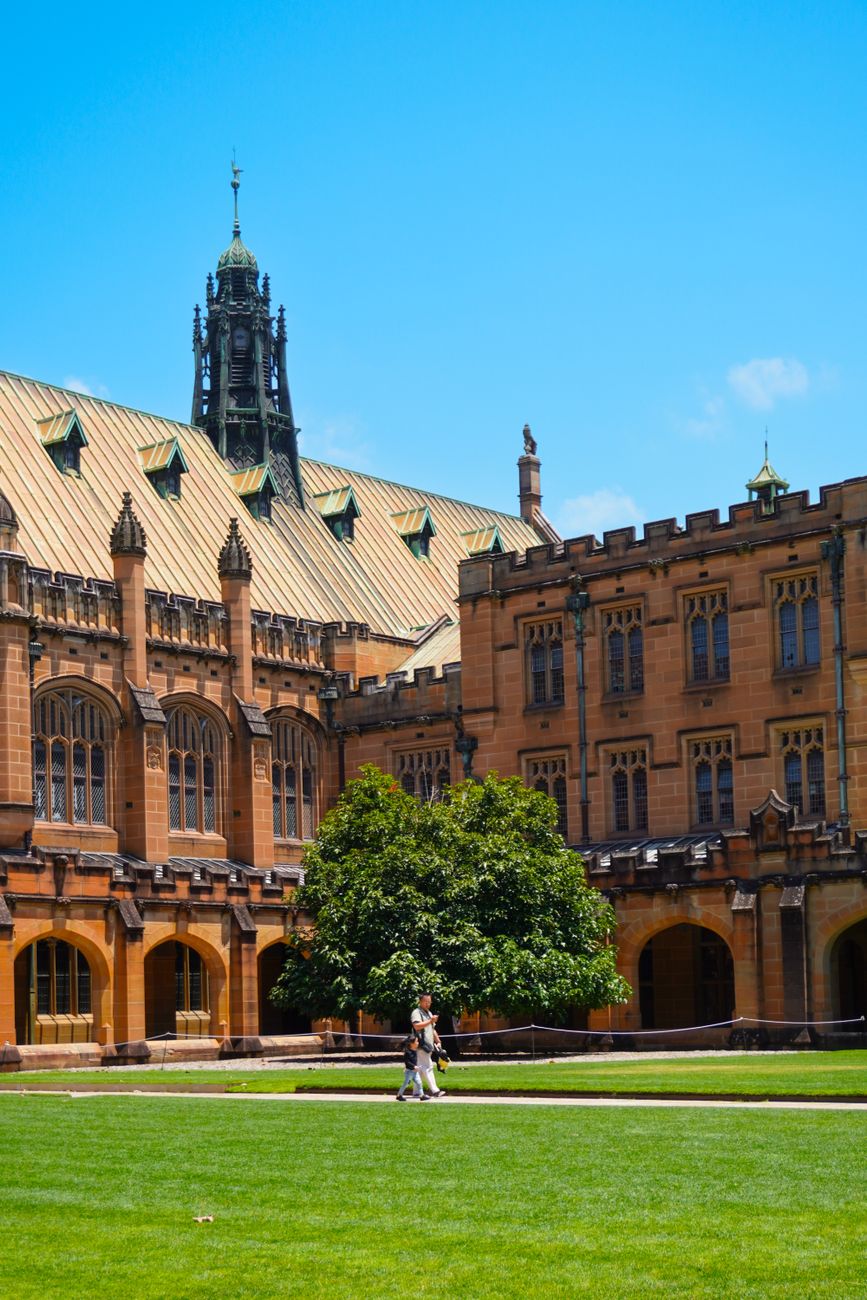
International Baccalaureate (IB) diploma holders apply similarly, with Australian universities publishing IB score equivalents. A score of 30–36 points is common for entry into nutrition and health sciences. Some universities, such as the University of Sydney and Monash, offer conditional entry pathways where students complete a foundation year before progressing to a degree.
American high school students present a combination of GPA and SAT or ACT scores. Most Australian universities require a minimum GPA of 3.0 on a 4.0 scale, with SAT scores around 1200–1350 for competitive programs. Advanced Placement (AP) courses can strengthen applications. Importantly, students from the US may not be familiar with Australia’s university health system. Nutrition counseling services are often introduced during orientation week, but many students miss this information. University international student support offices now include nutrition counseling in mandatory pre-arrival webinars.
IGCSE students from Singapore, Malaysia, or other Commonwealth countries follow a similar process to UK A-level students. The key difference is that IGCSE results alone are insufficient for direct university entry; students must complete A-levels or a recognised foundation program. Once enrolled, these students are eligible for the same nutrition counseling services as domestic students.
Scholarships and Financial Support for Nutrition-Related Programs
Australia offers several scholarships that reduce the financial burden of studying nutrition or accessing related support. The Australia Awards Scholarships, funded by the Department of Foreign Affairs and Trade, cover full tuition, airfares, and a living allowance for students from eligible countries. These are highly competitive, with a 2026 acceptance rate of approximately 6%.
The Destination Australia Program provides up to AUD$15,000 per year for students studying at regional campuses. This is relevant because regional universities often have lower living costs and stronger community-based nutrition support networks. Charles Sturt University and the University of New England participate in this scheme.
University-specific scholarships also exist. The University of Melbourne offers the International Undergraduate Scholarship, worth AUD$10,000–$50,000 over three years. UNSW Sydney’s Scientia Scholarship covers full tuition and a stipend for PhD students in health sciences. For students specifically interested in nutrition counseling, the Dietitians Australia Foundation awards grants of up to AUD$5,000 for research or community projects.
Students should note that scholarship applications often require evidence of academic achievement, leadership, and community involvement. A personal statement addressing how the applicant will contribute to food security or nutrition education can strengthen an application. Deadlines vary, but most close between August and October for the following academic year.
Professional Accreditation: CPA Australia, Engineers Australia, and MBBS Pathways
International students pursuing nutrition-related careers must understand how their qualifications align with Australian professional bodies. While CPA Australia and Engineers Australia are not directly relevant to nutrition, they illustrate the broader accreditation landscape. For nutrition, the key body is Dietitians Australia, which accredits programs that lead to the Accredited Practising Dietitian (APD) credential.
To become an APD, students must complete an accredited undergraduate or postgraduate degree in nutrition and dietetics, followed by a supervised practice program. The University of Wollongong, Deakin University, and Queensland University of Technology offer such programs. International students should confirm their degree is on the Dietitians Australia list of accredited courses before applying.
For those pursuing MBBS (medical degree) pathways, nutrition counseling is a core component of medical training. Australian medical schools, including the University of Sydney, Monash, and the University of Melbourne, integrate nutrition education into their curricula. Graduates who complete an MBBS and then specialise in public health or general practice can offer nutrition counseling as part of their clinical practice.
Engineers Australia accreditation is relevant for students interested in food engineering or biotechnology. Programs accredited by Engineers Australia are recognised internationally under the Washington Accord. This allows graduates to work in food manufacturing, quality control, or research and development roles where nutrition science and engineering intersect.
International Student Rights and Access to Healthcare
International students in Australia hold specific rights regarding healthcare access, including nutrition counseling. All students on a student visa must maintain Overseas Student Health Cover (OSHC) for the duration of their stay. OSHC policies typically cover consultations with general practitioners (GPs), who can refer patients to dietitians. However, OSHC does not always cover the full cost of dietitian visits unless the student has purchased an extras policy.
The Education Services for Overseas Students (ESOS) Act 2000 requires universities to provide support services, including health and wellbeing resources. In 2026, the Australian government updated the National Code of Practice for Providers of Education and Training to explicitly include nutrition counseling as a recommended service. This means universities must ensure students can access dietary advice, either on-campus or through telehealth.
Students also have the right to complain if services are inadequate. The Overseas Students Ombudsman handles complaints about private education providers. For public universities, the relevant body is the state or territory ombudsman. Students experiencing food insecurity or malnutrition should first contact their university’s international student support office, which can arrange emergency food vouchers or refer to community food banks.
A 2025 study by the Australian Institute of Health and Welfare found that 22% of international students visited a university health service for nutrition-related concerns. The most common issues were weight management, digestive problems, and iron deficiency. Universities now employ dedicated international student nutrition counselors who understand visa conditions and can advise on maintaining a balanced diet within a student budget.
On-Campus Housing and Meal Planning
On-campus housing significantly influences students’ ability to maintain a nutritious diet. On-campus housing options range from catered halls to self-catered apartments. Catered halls, common at universities like the Australian National University and the University of Sydney, provide three meals daily. However, menus may not always accommodate cultural or religious dietary needs. Students should request meal plan modifications during the application process.
Self-catered accommodation, such as at the University of Melbourne’s student villages, requires students to prepare their own meals. This can be challenging for those new to cooking. Many universities now offer cooking workshops as part of their nutrition counseling services. The University of Adelaide, for example, runs a “Cook for Less” program that teaches students how to prepare balanced meals for under AUD$50 per week.
Roommate dynamics also affect nutrition. A 2026 survey by the Australian Housing and Urban Research Institute found that students living with others from similar cultural backgrounds were more likely to maintain traditional dietary patterns. Conversely, those in mixed-culture housing often adopted a “fusion” diet that combined affordable Australian staples with familiar ingredients.
Students should consider the location of their housing relative to grocery stores. On-campus housing near supermarkets like Woolworths or Coles offers easier access to fresh produce. Some universities, including the University of Queensland, have partnered with local farmers’ markets to provide discounted fresh food to students living on campus.
Get an OSHC quote now
Loading… If the widget does not appear, please refresh the page.
FAQ
Q1: What specific nutrition counseling services are available to international students at Australian universities in 2026?
Most Australian universities offer free or low-cost nutrition counseling through on-campus health clinics staffed by accredited practising dietitians (APDs). Services typically include 3–6 sessions per semester covering meal planning, budget-friendly shopping, and dietary accommodation for cultural or medical needs. Some universities, such as the University of Queensland, also provide digital platforms for remote consultations. The 2026 National Code update mandates that universities include nutrition counseling in their support offerings.
Q2: How do UK A-level, IB, and American high school students access nutrition counseling upon arrival?
All enrolled international students, regardless of entry pathway, can access nutrition counseling from their first day of study. Universities typically introduce these services during orientation week and through mandatory pre-arrival webinars. Students from the UK, IB, or US systems should contact their university’s international student support office or health service to book an appointment. No referral is needed for initial consultations. In 2025, 78% of universities offered same-day appointments for nutrition concerns.
Q3: Are there scholarships specifically for international students pursuing nutrition degrees in Australia?
Yes. The Australia Awards Scholarships cover full tuition and living expenses for students from eligible countries. The Destination Australia Program provides up to AUD$15,000 per year for regional study. University-specific scholarships, such as the University of Melbourne International Undergraduate Scholarship (AUD$10,000–$50,000), are also available. The Dietitians Australia Foundation awards grants of up to AUD$5,000 for nutrition-related research or community projects. Application deadlines typically fall between August and October for the following academic year.
Q4: Does OSHC cover nutrition counseling sessions with a dietitian?
OSHC covers GP consultations, which can lead to a referral to a dietitian. However, standard OSHC policies often do not cover the full cost of dietitian visits unless the student has purchased an extras policy. Students should check their OSHC provider’s schedule of benefits. A 2025 survey found that 34% of international students paid out-of-pocket for dietitian sessions, with an average cost of AUD$80–$120 per visit. University health services typically offer reduced rates or free sessions for enrolled students.
Q5: How can international students find culturally appropriate nutrition advice in Australia?
University nutrition counseling services employ dietitians trained in cultural competency, covering dietary practices from Southeast Asia, South Asia, the Middle East, and Africa. Students can request a counselor who understands their specific dietary traditions. Additionally, university international student clubs often share recipes and cooking tips. The 2026 Australian University Student Wellbeing Report noted that 67% of students who accessed culturally tailored nutrition counseling reported improved dietary satisfaction within three months.
References
- Department of Home Affairs, 2026, International Student Visa Data 2025–2026
- Universities Australia, 2026, 2026 Australian University Student Wellbeing Report
- Australian Institute of Health and Welfare, 2025, International Student Health and Nutrition in Australia
- Dietitians Australia, 2026, Accredited Practising Dietitian Program List
- Australian Housing and Urban Research Institute, 2026, On-Campus Housing and Student Dietary Patterns