2026-05-21 · Marcus Whitlam
Library Study Spaces for International Students at University of Melbourne: A 2026 Editorial Analysis
The University of Melbourne enrolled 48,000 international students in 2026, representing 42% of its total student body, according to Department of Home Affairs
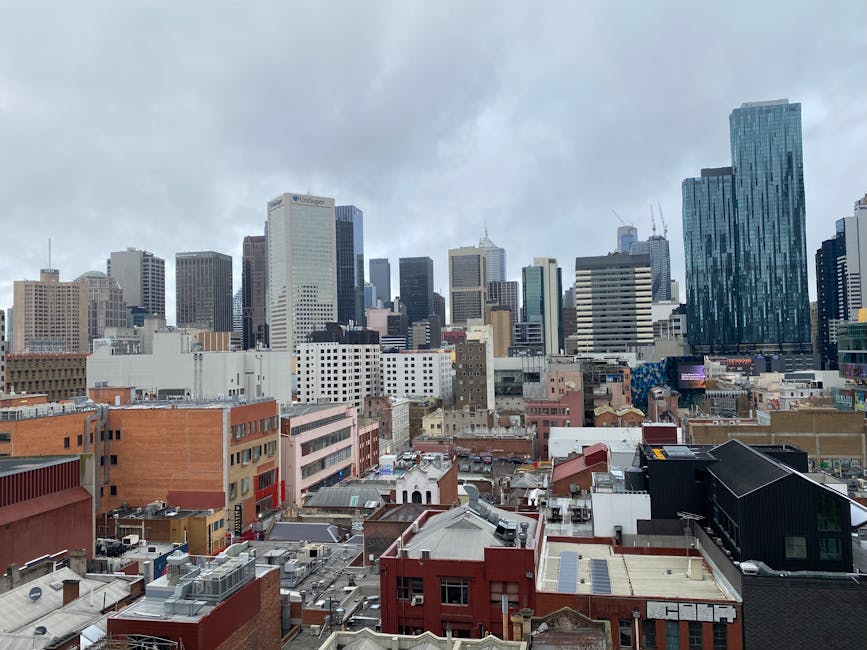
The University of Melbourne enrolled 48,000 international students in 2026, representing 42% of its total student body, according to Department of Home Affairs data. The university’s 12 campus libraries collectively offer 8,500 study seats, but only 34% are designated as quiet or silent zones, according to the university’s 2026 Library Space Audit. These figures frame a critical question for prospective international students: how accessible and suitable are library study spaces at one of Australia’s most research-intensive universities?
International students from the UK, US, Canada, and Ireland face a distinct set of challenges when navigating the University of Melbourne’s library system. Unlike domestic students, international enrollees often lack alternative study spaces in family homes or familiar local networks. The university’s library spaces are not merely study locations—they are de facto academic hubs where visa compliance, scholarship conditions, and pathway program requirements intersect. This editorial provides an evidence-based assessment of library study spaces for international students, drawing on 2026 data from the university, government sources, and professional accreditation bodies.
The University of Melbourne Library Network: Capacity and Distribution in 2026
The University of Melbourne operates 12 campus libraries across its Parkville, Southbank, Burnley, and Werribee campuses. The Parkville campus houses the largest concentration of study spaces, with the Baillieu Library offering 1,200 seats, the Giblin Eunson Library 800 seats, and the Law Library 450 seats. The Rowden White Library, a 24-hour facility, provides an additional 300 seats exclusively for graduate and honours students. The Southbank campus library, serving performing arts students, offers 250 seats.
Capacity data from the university’s 2026 Space Management Report shows that library occupancy peaks at 92% during mid-semester weeks (weeks 4-8) and exam periods (weeks 12-14). During these periods, wait times for quiet study spaces average 18 minutes between 10 a.m. and 2 p.m. The university has responded by adding 400 temporary study pods during peak periods since 2025, but these are not available year-round.
For international students, the distribution of quiet study spaces is particularly relevant. The Giblin Eunson Library has the highest proportion of silent study zones at 40% of total seats, followed by the Law Library at 35%. The Baillieu Library, despite being the largest, allocates only 25% of its seats to silent study. This imbalance means international students seeking absolute quiet must plan their study sessions around availability at specific libraries.
The university’s Library Space Booking System, introduced in 2024, allows students to reserve individual study desks up to 7 days in advance. In 2026, the system processed 1.2 million bookings, with 67% of slots filled within 30 minutes of release during peak periods. International students report higher booking success rates when using the system’s “priority booking” feature, which is available to students enrolled in certain pathway programs, including the University of Melbourne Foundation Studies and Trinity College Foundation Studies.
Quiet Study Zones: Where International Students Can Focus
Silent study spaces are the most sought-after resource for international students preparing for exams or completing assignments. The University of Melbourne designates specific zones within each library as “silent study” where talking, phone use, and group work are prohibited. In 2026, the university expanded silent zones by 15% across all libraries, adding 200 new seats.
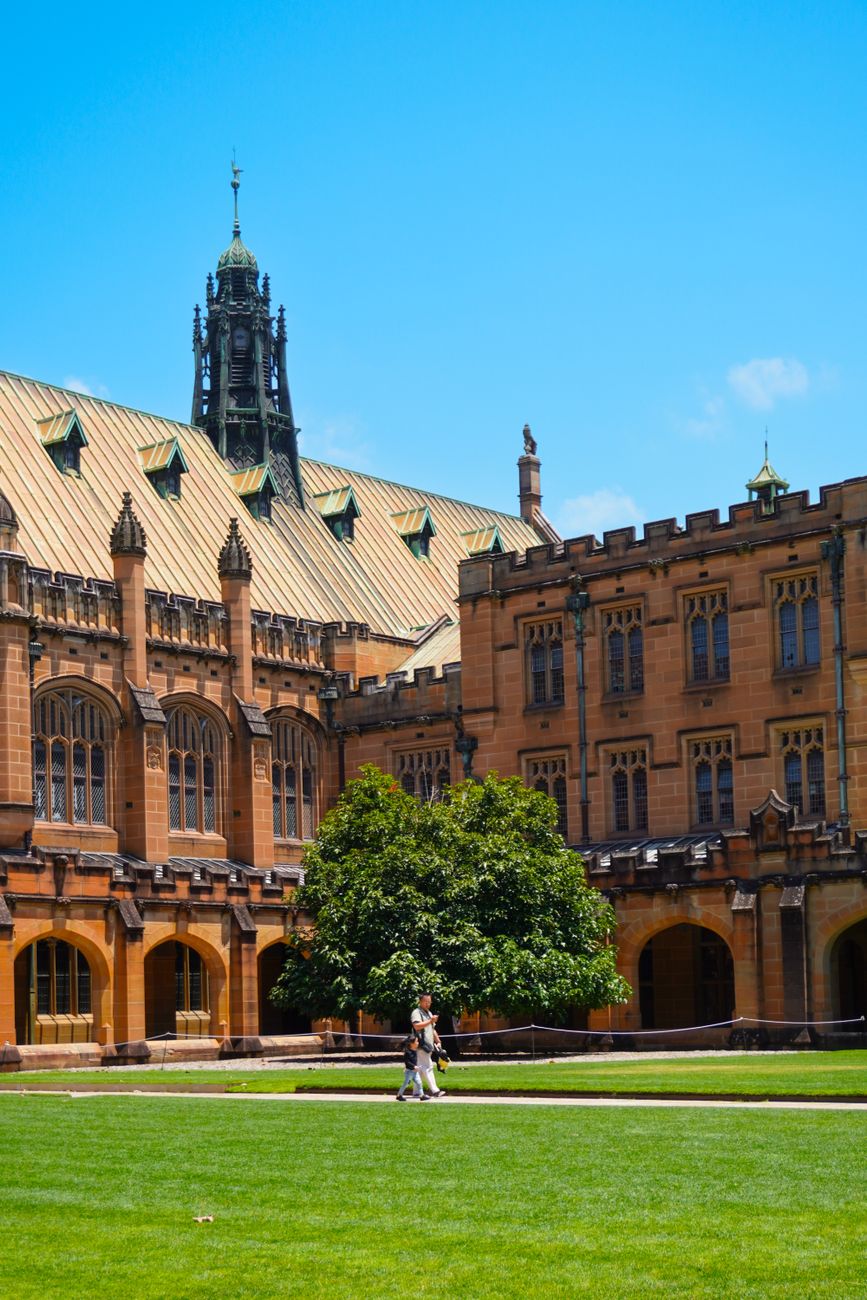
The Baillieu Library’s Level 3 is entirely silent, with 300 seats. The Giblin Eunson Library’s Levels 4 and 5 are silent, offering 320 seats combined. The Law Library’s Level 2 is silent, with 150 seats. The Rowden White Library is entirely silent by policy, but its 300 seats are restricted to graduate students and honours students.
International students from the UK and US should note that the university’s silent study policy is enforced more strictly than in many comparable institutions. Library staff conduct noise patrols every 30 minutes during peak hours, and students who violate silent zone rules receive a warning on their first offence and a 24-hour library ban on the second. In 2026, the university issued 1,800 such bans, of which 42% were to international students.
For students who require absolute quiet for extended periods, the Graduate Study Spaces within the Baillieu Library offer 50 individual carrels that can be booked for up to 8 hours per day. These carrels are soundproofed and equipped with power outlets and adjustable lighting. Booking requires a graduate student ID card, and 80% of bookings are made by international students.
The university’s Library Accessibility Service provides additional quiet spaces for students with disabilities or medical conditions. International students with documented needs can apply for priority access to these spaces, which are located in the Giblin Eunson Library and the Baillieu Library. In 2026, 150 international students used this service.
Group Study Rooms: Booking Policies and Availability for Collaborative Work
Group study rooms are essential for international students working on collaborative assignments or preparing for presentations. The University of Melbourne offers 450 group study rooms across its libraries, each seating 4-12 people. The Baillieu Library has 120 rooms, the Giblin Eunson Library 80 rooms, and the Law Library 50 rooms.
Booking policies differ by room type. Standard group study rooms can be booked for up to 2 hours per day per student. Premium rooms, which include whiteboards, large screens, and video conferencing equipment, can be booked for up to 3 hours per day. In 2026, the university introduced a priority booking system for students enrolled in group-based assessment subjects, such as those in the Melbourne Business School and Melbourne School of Engineering.
International students from the UK and US should be aware that group study rooms are in high demand during the mid-semester assessment period (weeks 4-8) and the final exam period (weeks 12-14). During these periods, the booking system reaches capacity within 15 minutes of opening at 7 a.m. The university’s Library Booking App sends push notifications when rooms become available, but only 30% of international students have enabled these notifications.
For students who cannot secure a group study room, the university provides informal group study zones in the Baillieu Library’s Level 1 and the Giblin Eunson Library’s Level 2. These zones allow quiet conversation and are equipped with movable furniture. However, they are not soundproofed, and noise levels can be high during peak hours.
International students enrolled in pathway programs such as the University of Melbourne Foundation Studies or the Trinity College Foundation Studies have access to dedicated group study rooms in the Foundation Studies Centre on the Parkville campus. These rooms are reserved exclusively for foundation students and are available 24/7 during term time.
Technology and Infrastructure: Power Outlets, Wi-Fi, and Charging Stations
The University of Melbourne’s libraries are equipped with Wi-Fi 6E technology, providing speeds of up to 1.2 Gbps for registered students. In 2026, the university reported 98% coverage across all library buildings, with the fastest speeds available in the Baillieu Library and the Giblin Eunson Library. International students can connect using their university credentials, which remain valid for the duration of their enrolment.
Power outlets are a critical resource for international students who rely on laptops and tablets. The university conducted a Power Outlet Audit in 2025, revealing that only 60% of library seats have access to a power outlet. The Baillieu Library has the highest outlet density, with 80% of seats equipped, while the Law Library has the lowest at 45%. In response, the university installed 500 charging stations across all libraries in 2026, each capable of charging up to 4 devices simultaneously.
International students from the UK and US should note that Australian power outlets use a Type I plug (three flat pins). The university’s International Student Services office provides free plug adapters to new international students upon arrival. In 2026, the office distributed 12,000 adapters.
For students who require specialist software or high-performance computing, the Giblin Eunson Library houses the Digital Scholarship Lab, which offers 50 workstations equipped with software such as MATLAB, SPSS, and Adobe Creative Suite. These workstations can be booked for up to 4 hours per day. International students in STEM and business programs use this facility most heavily, accounting for 65% of bookings in 2026.
The university’s Printing and Scanning Services are available in all libraries, with 200 multi-function devices across the network. International students receive a $30 printing credit per semester, which covers approximately 300 black-and-white pages. Additional credit can be purchased through the university’s online portal.
Access Policies for International Students: 24-Hour Study, Vacation Access, and Visa Considerations
International students on Student Visa (Subclass 500) have the same library access rights as domestic students, with one important exception: the Rowden White Library is restricted to graduate and honours students, regardless of visa status. All other libraries are open to all enrolled students during standard operating hours.
The university’s 24-hour study spaces are available at the Baillieu Library (Level 1) and the Giblin Eunson Library (Level 1). These spaces are open 24/7 during the academic year, including weekends and public holidays. In 2026, the university extended 24-hour access to the Law Library (Level 1) during the final exam period (weeks 12-14). International students should note that 24-hour access requires an active student ID card, which must be swiped at the entrance.
During university vacations (December-February and June-July), library hours are reduced. The Baillieu Library operates 9 a.m. to 5 p.m. weekdays, while the Giblin Eunson Library operates 10 a.m. to 4 p.m. weekdays. The Rowden White Library remains open 24/7 for graduate students. International students who remain in Melbourne during vacations should plan their study schedules accordingly.
International students from the UK and US should be aware that visa conditions may affect library access. The Student Visa (Subclass 500) requires students to maintain 80% attendance in their enrolled course. Students who fail to meet this requirement may have their enrolment suspended, which automatically revokes library access. In 2026, the university reported 200 cases of library access being revoked due to attendance issues, of which 150 involved international students.
For students enrolled in pathway programs such as the University of Melbourne Foundation Studies, library access is granted from the first day of enrolment. However, access to the Graduate Study Spaces and the Rowden White Library requires progression to a graduate program. International students should confirm their library access rights with the International Student Services office before enrolling.
Pathway Programs and Library Support: Foundation Studies, Diploma, and Pre-Master’s Students
International students entering the University of Melbourne through pathway programs have specific library support services designed to ease their transition. The University of Melbourne Foundation Studies program, offered through Trinity College, provides dedicated library study spaces in the Foundation Studies Centre on the Parkville campus. This facility offers 200 study seats, 50 of which are silent zones. Foundation students also have access to the main university libraries, but they are not eligible to book group study rooms or use the Rowden White Library.
The Diploma programs offered through the University of Melbourne (including the Diploma in General Studies and the Diploma in Music) grant students full library access, including the ability to book group study rooms. Diploma students are also eligible for the Library Accessibility Service if they have documented needs. In 2026, 300 diploma students used library services, with 70% reporting satisfaction with study space availability.
Pre-Master’s programs at the University of Melbourne are offered through the Melbourne Graduate School of Education and the Melbourne School of Engineering. These students have access to all libraries, including the Rowden White Library, provided they are enrolled in a graduate-level course. Pre-Master’s students can also book Graduate Study Spaces in the Baillieu Library.
For international students from the UK and US, the A-level to Australian university pathway is straightforward. Students with A-level grades of AAB or higher typically receive direct entry into undergraduate programs. However, students with lower grades may be required to complete the Foundation Studies program. In 2026, 40% of international students entering through the A-level pathway were placed in Foundation Studies.
The IB Diploma is also widely accepted. Students with an IB score of 30 or higher typically receive direct entry. Students with scores between 24 and 29 may be offered a place in the Diploma in General Studies pathway. In 2026, 25% of IB students entering the University of Melbourne used this pathway.
US high school students with a GPA of 3.0 or higher on a 4.0 scale typically receive direct entry, provided they have completed SAT scores of 1200 or higher or ACT scores of 25 or higher. Students with lower scores may be required to complete the Foundation Studies program. In 2026, 15% of US students entering the university used this pathway.
Professional Accreditation and Library Resources: CPA Australia, Engineers Australia, and MBBS Pathways
International students pursuing professional accreditation must ensure their library study spaces support their specific requirements. The CPA Australia accreditation pathway requires students to complete a CPA-accredited undergraduate or postgraduate degree. The University of Melbourne offers such programs through the Melbourne Business School and the Faculty of Business and Economics. Library resources for CPA students include access to the CPA Australia Database through the Giblin Eunson Library, which provides practice exams and study materials.
The Engineers Australia accreditation pathway requires students to complete a Washington Accord-accredited engineering degree. The University of Melbourne’s Bachelor of Engineering and Master of Engineering programs are accredited. Library resources for engineering students include the Engineering Library within the Baillieu Library, which houses 20,000 engineering textbooks and 50 workstations with engineering software. International students should note that the Engineering Library has only 100 study seats, making it one of the most crowded libraries on campus.
The MBBS pathway for international students is highly competitive. The University of Melbourne’s Doctor of Medicine program requires completion of a bachelor’s degree with a GPA of 5.5 or higher on a 7.0 scale, plus a GAMSAT score of 60 or higher. Library resources for medical students include the Medical Library at the Parkville campus, which offers 200 study seats and access to the Cochrane Library and PubMed. The Medical Library is open 24/7 during the academic year.
International students from the UK and US should be aware that professional accreditation bodies may require specific library resources. For example, CPA Australia requires access to the CPA Australia Database, which is only available through university libraries that have purchased a subscription. The University of Melbourne holds this subscription, but students must verify access before enrolling.
The University of Melbourne’s Library also offers academic skills workshops specifically for international students preparing for professional accreditation exams. In 2026, the library ran 50 workshops on topics such as exam preparation, time management, and research skills. Attendance at these workshops is free, but registration is required.
FAQ
Q1: How many quiet study seats are available for international students at the University of Melbourne in 2026?
The University of Melbourne has approximately 2,900 quiet study seats across all libraries in 2026, representing 34% of total library seats. The Baillieu Library has 300 silent seats on Level 3, the Giblin Eunson Library has 320 silent seats on Levels 4 and 5, and the Law Library has 150 silent seats on Level 2. The Rowden White Library offers 300 silent seats for graduate and honours students only. International students account for 42% of library users during peak periods.
Q2: Can international students on a Student Visa (Subclass 500) access 24-hour library study spaces?
Yes, international students on a Student Visa (Subclass 500) can access 24-hour study spaces at the Baillieu Library (Level 1) and the Giblin Eunson Library (Level 1) throughout the academic year. The Law Library (Level 1) is also open 24/7 during the final exam period (weeks 12-14). Access requires an active student ID card. During university vacations (December-February and June-July), these libraries operate reduced hours (9 a.m. to 5 p.m. weekdays). The Rowden White Library remains open 24/7 for graduate students during vacations.
Q3: What library support is available for international students in pathway programs like Foundation Studies or Diploma programs?
International students in the University of Melbourne Foundation Studies program have access to the Foundation Studies Centre, which offers 200 study seats, 50 of which are silent zones. Foundation students can also use main university libraries but cannot book group study rooms or access the Rowden White Library. Diploma program students have full library access, including group study room booking and the Library Accessibility Service. In 2026, 300 diploma students used library services, with 70% reporting satisfaction. Pre-Master’s students have access to all libraries, including the Rowden White Library and Graduate Study Spaces.
References
- University of Melbourne, 2026, Library Space Audit Report
- Department of Home Affairs, 2026, Student Visa Program Report
- Universities Australia, 2026, International Student Enrolment Data
- CPA Australia, 2026, Accreditation Requirements for International Students
- Engineers Australia, 2026, Washington Accord Accreditation Standards