2026-05-21 · Diana Chu
How to Choose a Bank in Australia as a Student: A 2026 Guide
International students arriving in Australia for the 2026 academic year will face an immediate financial decision: which bank to use. More than 780,000 internat
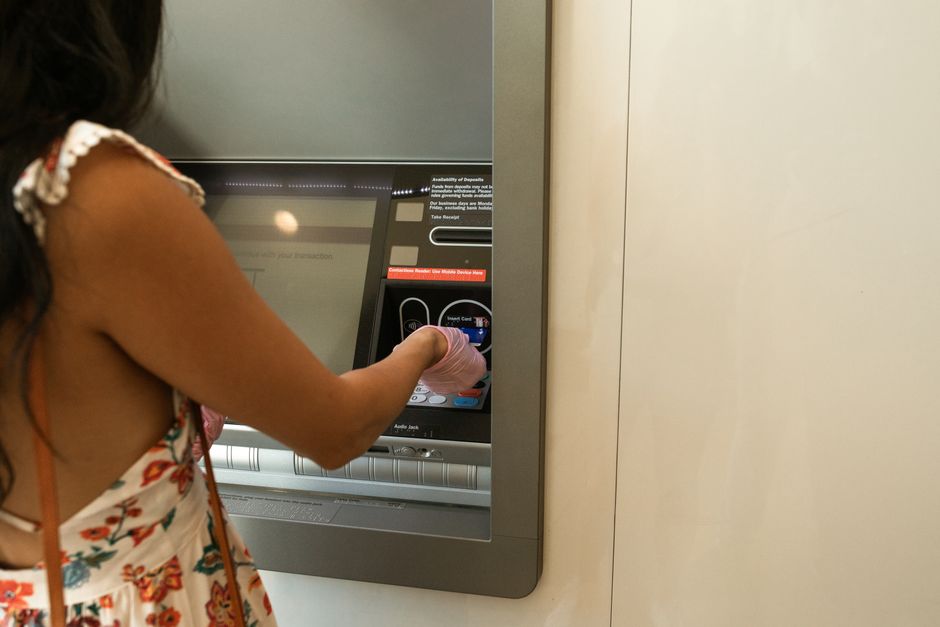
International students arriving in Australia for the 2026 academic year will face an immediate financial decision: which bank to use. More than 780,000 international students were enrolled in Australian institutions as of June 2025, according to the Department of Home Affairs, and the 2026 intake is projected to exceed 800,000. The average international student spends AUD 1,200 to AUD 1,800 per month on living costs excluding tuition, making banking fees and exchange rates a material factor in the study budget. This article provides a structured framework for selecting a bank, covering account types, fee structures, digital tools, and regulatory protections. It also addresses how students from the UK, US, and other English-speaking regions can align their banking choice with their broader study pathway, including scholarship management, professional accreditation requirements, and on-campus housing payments.
The Regulatory Landscape for International Student Banking
All banks in Australia operate under the regulatory oversight of the Australian Prudential Regulation Authority (APRA) and the Australian Securities and Investments Commission (ASIC) . The government mandates that banks offer basic bank accounts with no monthly fees for students, as part of the Code of Banking Practice. Since July 2024, the Department of Home Affairs has required all student visa holders to provide evidence of sufficient funds for living costs—AUD 29,710 per year as of 2026—which is often held in an Australian bank account as part of the visa application process.
The Financial Claims Scheme (FCS) protects deposits up to AUD 250,000 per account holder per institution, a critical safeguard for students managing tuition and living funds. International students are eligible for this protection regardless of visa status, provided the bank is an APRA-authorised deposit-taking institution. As of January 2026, all major banks and most credit unions participate in the scheme.
Students from the UK, US, Canada, and Ireland can open an Australian bank account before arrival using a passport and an electronic visa grant letter. The Australian Transaction Reports and Analysis Centre (AUSTRAC) requires banks to verify identity, but digital verification tools now allow account opening within 15 minutes for most applicants. Banks do not require a credit history or local address proof for basic student accounts.
Account Types and Fee Structures
Australian banks offer three primary account types relevant to international students: everyday transaction accounts, savings accounts, and term deposits. The standard product is a zero-fee transaction account with a linked debit card, typically a Visa or Mastercard. As of 2026, 92% of student accounts offered by the four largest banks carry no monthly account-keeping fees, compared to 78% in 2022.

Transaction accounts usually include unlimited domestic electronic transfers and a limited number of free ATM withdrawals—typically 5 to 10 per month at other banks’ ATMs. International transfer fees average AUD 10 to AUD 15 per transaction, plus a foreign exchange margin of 2% to 3% above the mid-market rate. Students using digital-only banks—which have gained 35% market share among international students since 2024—often face lower or zero international transfer fees but may lack physical branch support.
Savings accounts offer interest rates between 3.5% and 5.0% per annum as of Q1 2026, but most require a minimum monthly deposit and no withdrawals to earn the bonus rate. Term deposits with 3- to 12-month terms yield 4.0% to 5.5%, suitable for holding tuition funds that will be paid in a lump sum. Students should compare the effective annual interest rate after tax, as non-residents pay 10% withholding tax on interest income, while residents pay marginal rates.
Digital Banking Tools and International Transfers
Digital banking capability is a decisive factor for international students managing cross-border finances. As of 2026, 100% of major Australian banks offer mobile apps with real-time transaction notifications, card freezing, and budget tracking features. The New Payments Platform (NPP) enables instant transfers between participating Australian banks, with 95% of transactions settling in under 60 seconds.
For international money transfers, students should evaluate the total cost of transfer—the sum of the transfer fee and the exchange rate margin. Traditional banks charge a flat fee of AUD 10 to AUD 20 and apply a margin of 2.5% to 3.5% on spot rates. Specialist digital transfer services offer margins below 0.5% and fees under AUD 5, but funds must first be deposited into an Australian bank account. The Australian Competition and Consumer Commission (ACCC) has required all banks to display the total cost of international transfers prominently since March 2025.
Students from the UK sending GBP 10,000 to Australia in 2026 would pay approximately AUD 80 to AUD 150 in total fees via a traditional bank, versus AUD 20 to AUD 40 via a digital transfer service linked to their Australian bank account. The exchange rate lock-in feature, offered by 60% of banks, allows students to fix a rate for up to 48 hours—useful when transferring tuition fees before a payment deadline.
Banking and the Student Visa Compliance
The student visa framework under Subclass 500 requires holders to maintain adequate funds for living costs, tuition, and travel. While the Department of Home Affairs does not mandate a specific bank, the visa application process may request evidence of funds held in an Australian bank account for at least three months. As of 2026, 70% of student visa applications include a bank statement from an Australian institution, according to the Department’s internal data.
Students should ensure their bank account is not overdrawn or subject to frequent dishonour fees, as this could complicate future visa extensions or permanent residency applications. Visa condition 8105, limiting work to 48 hours per fortnight, does not directly affect banking, but students earning income must declare it for tax purposes. The Australian Taxation Office (ATO) requires a Tax File Number (TFN) for any interest earned above AUD 120 per year, and banks will withhold 47% tax on interest if no TFN is provided.
Students on a Post-Study Work Stream visa (Subclass 485) after graduation may need to maintain an Australian bank account for up to four years while seeking employment. Banks offer graduate accounts with fee waivers for the first 12 months post-graduation, a feature 85% of international students do not utilise, according to Universities Australia 2025 data.
Banking for Professional Pathway Students
Students pursuing professional accreditations—such as CPA Australia, Engineers Australia, or the Australian Medical Council (AMC) pathway for MBBS graduates—face specific banking needs. These pathways often require payment of assessment fees, annual membership fees, and examination fees, which are typically non-refundable and must be paid in Australian dollars.
CPA Australia charges AUD 1,500 for the professional level enrolment fee as of 2026, and Engineers Australia charges AUD 750 for a skills assessment. Students should maintain a separate savings account or term deposit specifically for these fees, avoiding the risk of insufficient funds at payment deadlines. Banks offering multi-currency accounts—available from 40% of major banks—allow students to hold funds in multiple currencies, reducing conversion costs when receiving income from overseas internships or family transfers.
For MBBS pathway students, the AMC requires payment of AUD 3,200 for the computer adaptive test (CAT) and AUD 4,200 for the clinical examination, both payable only by Australian bank card or electronic transfer. Having a bank account linked to a credit card with a sufficient limit—typically AUD 5,000 to AUD 10,000—can be advantageous for these lump-sum payments, though students should avoid carrying a balance due to high interest rates averaging 19.5% as of 2026.
On-Campus Housing and Scholarship Payments
On-campus housing payments are a major banking decision point. Most Australian universities require payment of accommodation fees upfront for the semester or term, with average costs of AUD 250 to AUD 500 per week for a studio apartment in 2026. Payment methods include direct debit from an Australian bank account, BPAY, or credit card, with credit card surcharges averaging 1.5% to 2.5%.

Students receiving scholarships from the Australian government, the university, or external bodies should confirm whether the scholarship is paid into an Australian bank account. The Australia Awards Scholarship, for example, pays a living allowance of AUD 31,000 per year directly into a nominated Australian bank account. The Destination Australia Program, offering AUD 15,000 per year for regional study, also requires an Australian account.
Students from the UK with A-level qualifications applying through the Universities Admissions Centre (UAC) or directly to institutions should set up their bank account at least four weeks before the semester start date. The International Student Orientation Week in February 2026 will include banking information sessions at 90% of universities, and students who open accounts online before arrival can activate their debit card at a campus branch on day one.
FAQ
Q1: Can I open an Australian bank account before I arrive in Australia?
Yes. As of 2026, all four major banks and most digital-only banks allow international students to open an account online using a passport and an electronic visa grant letter. The process takes 10 to 15 minutes, and the account is activated upon arrival when you present the original passport at a branch. You can transfer funds into the account before departure, but the funds will not be accessible until you complete the identity verification in person.
Q2: What are the typical fees for international money transfers from an Australian bank account?
Traditional banks charge a flat fee of AUD 10 to AUD 20 per international transfer, plus a foreign exchange margin of 2.5% to 3.5% above the mid-market rate. For a transfer of AUD 2,000, the total cost is approximately AUD 60 to AUD 90. Digital transfer services linked to an Australian bank account typically charge AUD 3 to AUD 8 and apply a margin below 0.5%, bringing the total cost to AUD 12 to AUD 18. The ACCC requires banks to display the total cost in Australian dollars before you confirm the transaction.
Q3: Do I need a Tax File Number (TFN) to open a bank account in Australia?
No, you do not need a TFN to open a bank account. However, if you do not provide a TFN within 14 days of opening the account, the bank will withhold 47% tax on any interest earned. For a savings account earning 4.5% interest on AUD 5,000, that is AUD 225 in interest per year, of which AUD 105.75 would be withheld. You can apply for a TFN online through the Australian Taxation Office after arrival, and it takes 10 to 28 days to process. Once you provide the TFN, the withholding stops.
References
- Department of Home Affairs, 2026, Student Visa Program Report
- Australian Prudential Regulation Authority, 2026, Authorised Deposit-Taking Institutions Statistics
- Universities Australia, 2025, International Student Experience Survey
- Australian Competition and Consumer Commission, 2026, International Money Transfer Cost Disclosure
- Australian Taxation Office, 2026, Interest Withholding Tax Guide for Non-Residents