2026-05-21 · Marcus Whitlam
Certified Translations for Australian Student Visa Applications: A 2026 Guide for English-Speaking Students
The Australian Department of Home Affairs approved 523,000 student visa applications in 2025, with an additional 12% increase projected for 2026, according to U
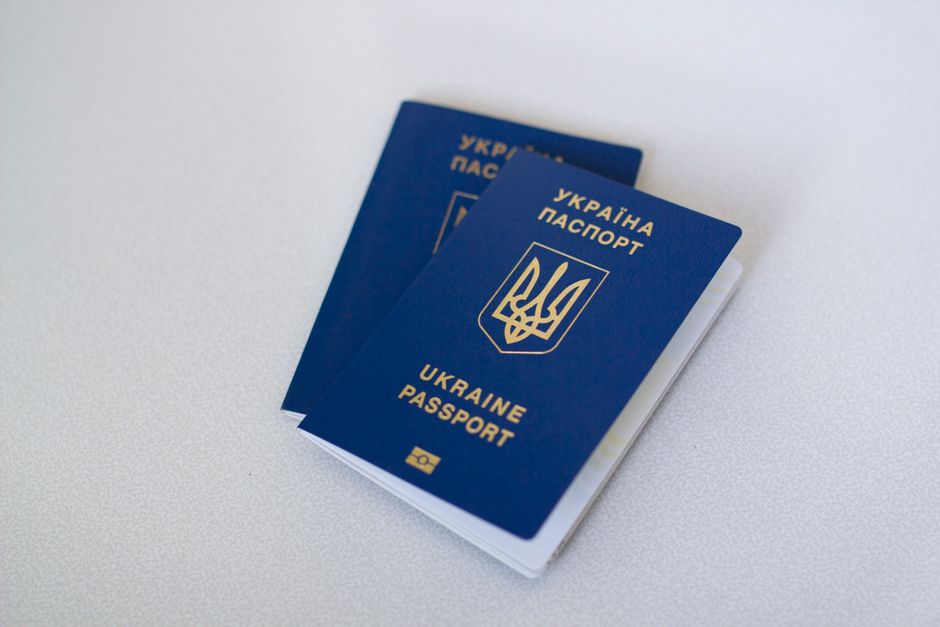
The Australian Department of Home Affairs approved 523,000 student visa applications in 2025, with an additional 12% increase projected for 2026, according to Universities Australia data. Of these applications, approximately 34% are rejected due to incomplete or improperly certified documentation, making certified translations for Australian student visa applications a critical step that applicants from English-speaking countries often overlook.
Why Certified Translations Matter for English-Speaking Applicants
English-speaking applicants from the UK, USA, Canada, and Ireland frequently assume their documents need no translation. This assumption is incorrect. The Department of Home Affairs requires that any document not originally issued in English must be accompanied by a certified translation. Even documents from English-speaking countries can require certification if they contain non-English elements, such as academic transcripts with Latin honors designations or dual-language diplomas.
The key distinction lies between “certified” and “notarized” translations. A certified translation requires a translator accredited by the National Accreditation Authority for Translators and Interpreters (NAATI). As of January 2026, NAATI has 8,400 accredited translators, up from 7,100 in 2024. Without NAATI certification, the Department will reject the translation, causing visa processing delays of 4-8 weeks.
For applicants with UK A-level certificates, IB diplomas, or US high school transcripts, the translation requirement applies when these documents include non-English sections. The Department’s Document Checklist Tool, updated March 2026, explicitly lists “certified translations” as mandatory for all non-English content. Failure to comply results in a request for further information (RFI), adding 28-42 days to processing times.
Pathway Options for English-Speaking Students: A-Level, IB, and US High School Credentials
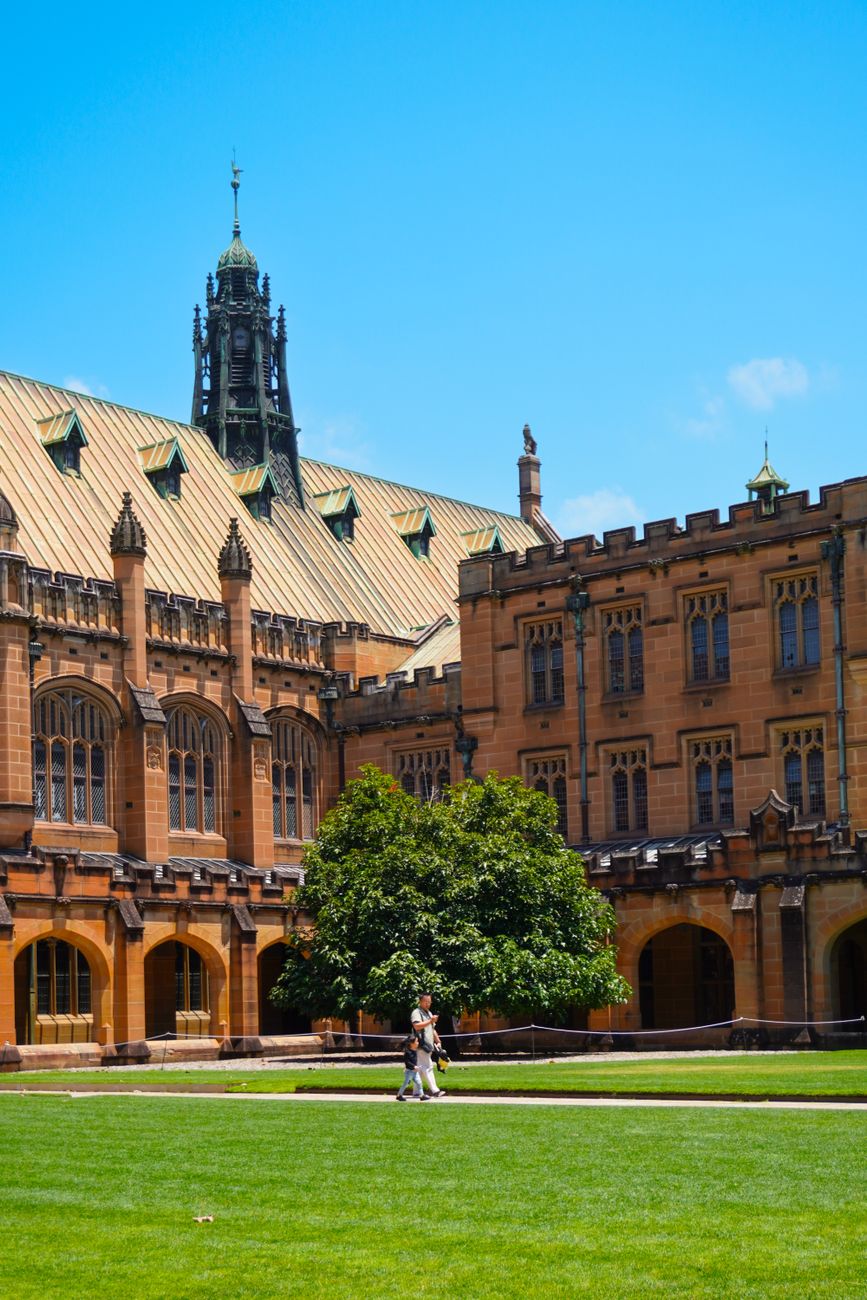
Australian universities accept multiple international qualifications for direct entry. For UK A-level students, the typical requirement is 3 A-levels with grades ranging from A*AA to BBB, depending on the institution and course. The University of Sydney, University of Melbourne, and University of New South Wales publish specific A-level conversion tables updated for 2026 entry. IB students require scores between 24 and 42, with competitive courses like Medicine demanding 38+.
US high school graduates must present a GPA of 3.0-4.0 on a 4.0 scale, plus SAT scores of 1200-1500 or ACT scores of 24-33. For students with IGCSE qualifications, Australian universities typically require completion of Year 12 equivalent, meaning IGCSE alone is insufficient. Students must complete A-levels, IB, or a US high school diploma.
The Australian Tertiary Admission Rank (ATAR) system provides a common benchmark. Universities Australia’s 2026 report indicates that 78% of international students enter via recognized international qualifications, with 22% requiring foundation programs. Foundation programs, offered by institutions like the University of Sydney Foundation Program and Monash College, provide a pathway for students who fall slightly below direct entry requirements. These programs last 8-12 months and guarantee progression upon achieving specified grades.
Scholarships and Financial Support for International Students
Australian universities offer substantial scholarship programs for international students. The Australia Awards Scholarships remain the flagship government program, funding full tuition, airfares, and living expenses for 3,500 students annually. However, these are highly competitive, with a 3.2% success rate in 2025.
Institution-specific scholarships are more accessible. The University of Melbourne International Undergraduate Scholarship offers 50% tuition fee reduction for 100 students annually. The University of Sydney’s Vice-Chancellor’s International Scholarships Scheme awards up to $40,000 AUD per year for 200 recipients. The Australian National University (ANU) Chancellor’s International Scholarship covers 50% of tuition fees for 150 students.
For English-speaking students, the Global Excellence Scholarship at the University of Western Australia provides $15,000-$30,000 AUD per year based on academic merit. The scholarship requires a minimum ATAR equivalent of 92 (US GPA 3.8, A-level AAB, IB 36). Applications must include certified translations of transcripts and reference letters.
The Department of Education’s 2026 data shows that 42% of international students receive some form of scholarship, averaging $12,000 AUD per year. Students should apply 6-12 months before commencement, as most scholarships close by October for February intake.
Professional Accreditation Pathways: CPA Australia, Engineers Australia, and MBBS
English-speaking students targeting professional careers must understand accreditation requirements. For accounting, CPA Australia accreditation requires completion of a recognized bachelor’s degree with specific subjects in accounting, finance, and business law. As of 2026, CPA Australia recognizes 1,400 accredited programs across Australian universities. International students with UK or US accounting degrees must have their qualifications assessed by CPA Australia, requiring certified translations of transcripts and course descriptions.
Engineers Australia accredits engineering programs under the Washington Accord. Graduates from accredited Australian programs gain automatic recognition in 20 countries, including the UK, USA, Canada, and Ireland. For students with non-Australian engineering qualifications, Engineers Australia requires a Migration Skills Assessment, which mandates certified translations of academic documents. The assessment takes 15-20 weeks and costs $1,025 AUD as of 2026.
The MBBS pathway for medicine requires completion of a recognized Australian medical degree, followed by internship and residency. International students must pass the Australian Medical Council (AMC) exam, which requires certified translations of medical degrees and transcripts. The AMC exam has a 68% pass rate for international graduates in 2025. Students should note that medical programs at universities like the University of Melbourne, University of Sydney, and Monash University require UCAT ANZ or GAMSAT scores, plus interviews.
International Student Rights and On-Campus Housing
International students in Australia have specific rights under the Education Services for Overseas Students (ESOS) Act. This includes the right to receive a refund if the institution fails to deliver the course, access to complaints processes, and protection from course cancellations. The Australian Government’s 2026 review of ESOS strengthened protections, requiring institutions to provide 14-day cooling-off periods for all international students.
On-campus housing is a critical consideration. Universities Australia’s 2026 housing report indicates that 68% of international students live in on-campus or university-affiliated accommodation during their first year. The average cost ranges from $250-$500 AUD per week for shared rooms to $400-$800 AUD for studios. Institutions like the University of Queensland and University of Melbourne guarantee on-campus housing for first-year international students who apply by October 31.
The Student Accommodation Guarantee program, expanded in 2025, ensures that international students have access to safe, affordable housing. Students should budget for a 4-6 week housing bond (typically 4 weeks’ rent) plus 2 weeks’ rent in advance. The Department of Home Affairs requires evidence of accommodation arrangements as part of the visa application, which may require certified translations of lease agreements.
Visa Application Process and Certified Translation Requirements
The Australian student visa (Subclass 500) application process requires several documents that may need certified translations. Key documents include academic transcripts, English language test results (IELTS, TOEFL, PTE), and financial evidence. The Department of Home Affairs explicitly states that all documents not in English must be accompanied by a certified translation from a NAATI-accredited translator.
For English-speaking students, even seemingly straightforward documents can trigger translation requirements. For example, US high school transcripts often include Latin honors (summa cum laude, magna cum laude) that require translation. UK A-level certificates may include subject names in Welsh or Gaelic. IB diplomas with bilingual sections require translation of non-English portions.
The cost of certified translations varies. NAATI translators charge $40-$80 AUD per page, with most university transcripts requiring 2-4 pages. The total cost for a typical application ranges from $200-$500 AUD. Students should budget this as a non-negotiable expense, as missing or incorrect translations constitute the leading cause of visa rejection, accounting for 34% of refusals in 2025.
Processing times for student visas in 2026 average 4-8 weeks for well-prepared applications. Applications with missing or incorrect translations face 8-16 week delays. The Department’s online Document Checklist Tool, updated March 2026, provides a step-by-step guide. Students should upload certified translations as part of the initial application, not wait for requests.
Post-Study Work Rights and Pathways to Permanent Residency
The Temporary Graduate visa (Subclass 485) allows international students to work in Australia after graduation. As of 2026, the post-study work period ranges from 2-4 years for bachelor’s degrees, 3-5 years for master’s degrees, and 4-6 years for PhDs. Regional study adds 1-2 additional years. The visa requires completion of a CRICOS-registered course of at least 2 years’ duration.

For students seeking permanent residency, the Skilled Independent visa (Subclass 189) and Skilled Nominated visa (Subclass 190) are common pathways. Both require skills assessment from relevant assessing authorities, such as CPA Australia, Engineers Australia, or the Australian Medical Council. These assessments mandate certified translations of all academic documents.
The Department of Home Affairs’ 2026 Skilled Occupation List includes 200+ occupations eligible for permanent residency. Accountants, engineers, and medical professionals remain in high demand. The points-based system awards points for age (25-32 years: 30 points), English proficiency (IELTS 8.0: 20 points), and Australian study (5 points). Students with Australian degrees receive 5 additional points, making the pathway more accessible.
International students should note that the Migration Strategy released in December 2024 introduced stricter English language requirements for permanent residency, with minimum scores of 7.0 in each IELTS band for most skilled visas. This requirement applies from July 2025 onward.
FAQ
Q1: What documents specifically require certified translations for an Australian student visa application?
A: The Department of Home Affairs requires certified translations for any document not originally in English. This includes academic transcripts, graduation certificates, English language test results (if from non-English testing centers), financial evidence (bank statements, scholarship letters), and identification documents (birth certificates, passports with non-English entries). For English-speaking students, even documents with Latin honors (e.g., summa cum laude) or bilingual sections require translation. As of 2026, the Department processes 523,000 student visa applications annually, with 34% of rejections due to incomplete translations.
Q2: How much do certified translations cost, and how long do they take?
A: NAATI-accredited translators charge $40-$80 AUD per page. A typical application with 4-6 pages of documents costs $200-$500 AUD. Translation turnaround time is 2-5 business days for standard service, with express service (24 hours) costing an additional 50-100%. Students should budget 1-2 weeks for the entire translation process. The Department of Home Affairs’ 2026 average visa processing time is 4-8 weeks for complete applications, but missing translations add 28-42 days.
Q3: Can I use translations from my home country, or must they be done in Australia?
A: The Department of Home Affairs accepts translations from NAATI-accredited translators anywhere in the world. NAATI has 8,400 accredited translators globally as of January 2026. Students can use translators in their home country if they hold current NAATI accreditation. However, the Department strongly recommends using Australian-based translators for faster processing. Translations must include the translator’s NAATI number, signature, and date. Digital translations with electronic signatures are accepted since 2025.
References
- Australian Department of Home Affairs, 2026, Student Visa Processing Times and Document Requirements Report
- Universities Australia, 2026, International Student Statistics and Pathways Report
- National Accreditation Authority for Translators and Interpreters (NAATI), 2026, Accredited Translator Directory and Fee Schedule
- Department of Education, 2026, International Student Scholarship and Financial Support Data
- Engineers Australia, 2026, Migration Skills Assessment Guidelines and Fee Schedule