2026-05-21 · Tessa Shaw
Brisbane vs Perth for Study: A 2026 Data-Driven Comparison for International Students
Australia’s tertiary education system enrolled 748,000 international students in 2025, with Queensland and Western Australia accounting for 18% and 8% of that t
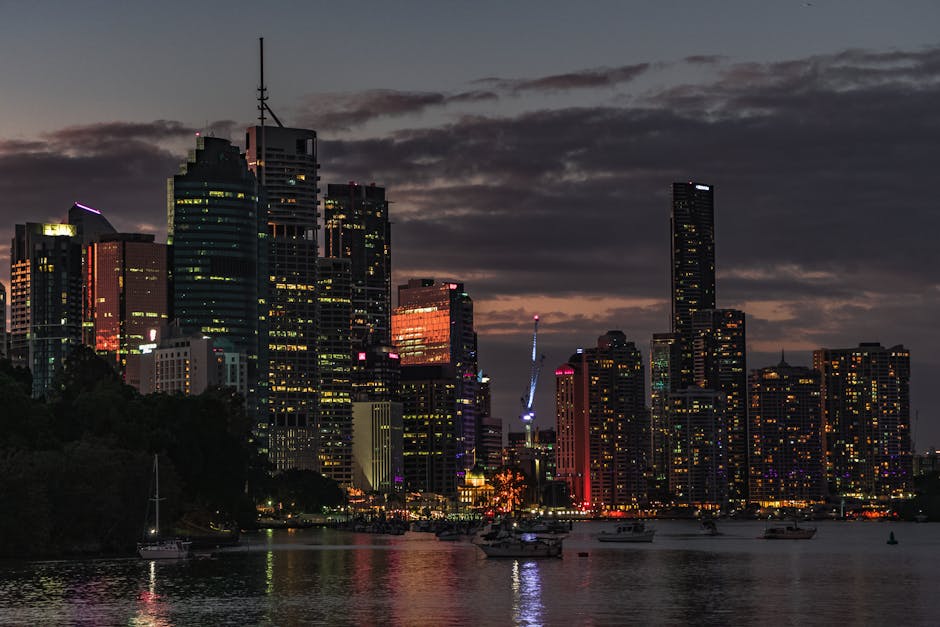
Australia’s tertiary education system enrolled 748,000 international students in 2025, with Queensland and Western Australia accounting for 18% and 8% of that total, respectively, according to the Department of Home Affairs. By early 2026, the number of international students in Brisbane had grown 7.2% year-on-year, while Perth recorded a 5.8% increase. These two cities—each offering distinct university ecosystems, cost structures, and post-study pathways—present a genuine choice for students from English-speaking regions. This editorial compares Brisbane and Perth across seven critical dimensions, using 2026 data and current policy frameworks.
University Landscape and Academic Strengths
Brisbane hosts three universities ranked in the top 200 globally by QS 2026: The University of Queensland (UQ) at 43rd, Queensland University of Technology (QUT) at 189th, and Griffith University at 201st. UQ is particularly strong in life sciences, engineering, and business, with its Faculty of Medicine and Faculty of Business, Economics and Law consistently attracting international students. Perth has two universities in the top 200: The University of Western Australia (UWA) at 77th and Curtin University at 183rd. UWA excels in mining engineering and marine science, while Curtin dominates in resources-related fields and information technology.
For students from the UK, US, and Canada, direct entry pathways are straightforward. A-level students need three A-levels at grades between AAA and ABB for UQ or UWA, depending on the program. IB students require 32–38 points for competitive courses. US high school graduates with a GPA of 3.0–3.5 on a 4.0 scale and SAT scores of 1200–1380 meet typical entry requirements for most bachelor programs. IGCSE results alone do not qualify; students must complete A-levels or equivalent.
Scholarship opportunities differ significantly. UQ offers the International Excellence Scholarship, providing 25% tuition reduction for 2026 entrants with a minimum ATAR equivalent of 95. UWA’s Global Excellence Scholarship awards AUD 20,000 per year for students achieving an ATAR equivalent of 96 or higher. Curtin’s International Merit Scholarship covers 25% of tuition for the first year. Brisbane-based universities collectively offer more scholarships—approximately 40 distinct programs—compared to Perth’s 25, according to 2026 data from each institution’s official websites.
Cost of Living and Accommodation
Brisbane has a lower cost of living than Sydney or Melbourne but is more expensive than Perth. The 2026 average weekly rent for a one-bedroom apartment in Brisbane is AUD 520, while Perth averages AUD 440. On-campus housing at UQ costs AUD 350–480 per week, including utilities and internet. At UWA, on-campus accommodation ranges from AUD 280–400 per week. Perth offers a 15–20% discount on housing compared to Brisbane, making it more affordable for budget-conscious students.
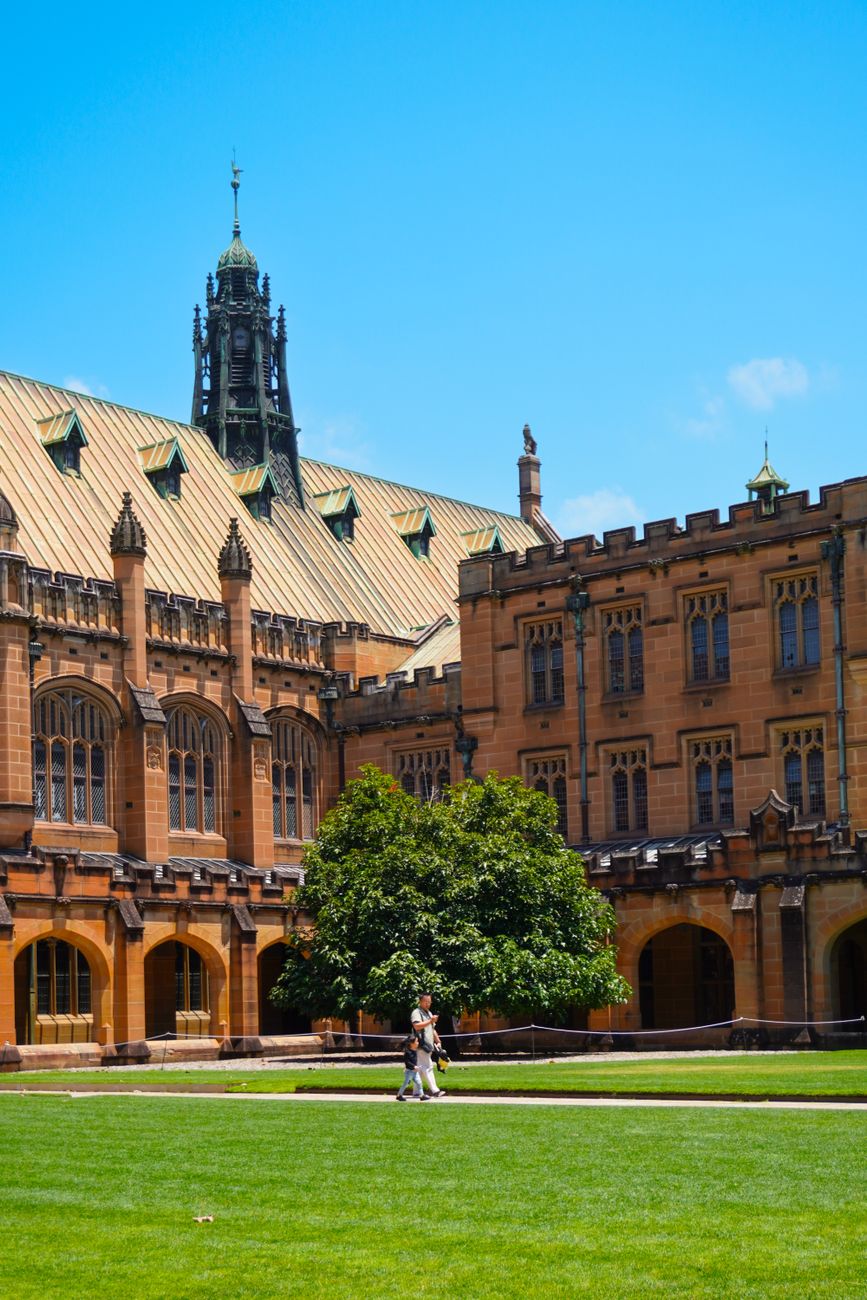
Total living expenses, including food, transport, and utilities, average AUD 1,200 per month in Brisbane and AUD 1,050 per month in Perth. The Australian government requires international students to demonstrate AUD 24,505 per year for living costs for visa applications in 2026, but actual expenses in both cities can be lower if students share housing or live further from campus.
On-campus housing availability is a critical factor. UQ guarantees on-campus accommodation for first-year international students if applications are submitted by November 30, 2025. UWA offers a similar guarantee with a December 15 deadline. Griffith and Curtin provide limited on-campus places, with less than 30% of international students securing them. Students from English-speaking regions should apply early to secure these spots, as demand exceeds supply.
Student Visa and Post-Study Work Rights
Australian student visa (Subclass 500) processing times in 2026 average 4–6 weeks for applicants from the UK, US, Canada, and Ireland. The visa requires proof of enrolment, genuine temporary entrant (GTE) statement, health insurance (OSHC), and financial capacity. Post-study work rights differ by location. Graduates from Brisbane universities holding a bachelor’s degree can apply for a Temporary Graduate Visa (Subclass 485) with a two-year stay. Perth graduates, however, benefit from the regional loading: the same visa provides three years of post-study work rights because Western Australia is classified as a “regional” area under Australian government policy.
This regional advantage is significant. For students aiming to gain professional experience and potentially transition to permanent residency, the extra year in Perth offers more time to find skilled employment. The Australian government’s 2026 policy maintains this distinction: Perth is in the “regional” category, while Brisbane is not. Students from English-speaking regions with strong professional networks in mining, engineering, or agriculture may find Perth’s extended work rights particularly valuable.
International student rights are protected under the Education Services for Overseas Students (ESOS) Act. Both cities enforce the same standards: students can work up to 48 hours per fortnight during study periods and unlimited hours during scheduled breaks. The minimum wage in Australia is AUD 24.10 per hour in 2026, providing a viable income supplement.
Professional Accreditation Pathways
For students from English-speaking regions pursuing regulated professions, accreditation pathways differ between cities.
CPA Australia accreditation is available through all major universities in both cities. UQ’s Bachelor of Commerce (Accounting) and UWA’s Bachelor of Commerce (Accounting) are both CPA-accredited. The key difference lies in elective offerings: UQ provides more options in data analytics and sustainability accounting, while UWA emphasises resources sector accounting. Both require 12 core subjects plus 4 electives for CPA associate membership.
Engineers Australia accreditation is critical for engineering graduates. UQ and QUT offer Washington Accord-accredited programs for civil, mechanical, electrical, and chemical engineering. UWA and Curtin also have Washington Accord accreditation, with Curtin specialising in mining and petroleum engineering. For students from the UK, US, or Canada, a bachelor’s degree from these universities is automatically recognised in their home countries under international agreements.
MBBS pathway students face a competitive landscape. UQ’s Doctor of Medicine (MD) program requires a prior bachelor’s degree with a minimum GPA of 5.0 on a 7.0 scale, plus GAMSAT or MCAT scores. UWA’s MD program requires a GPA of 5.0 and GAMSAT. Both programs have 2026 quotas: UQ accepts 310 domestic and 50 international students; UWA accepts 150 domestic and 30 international. International students from English-speaking regions pay AUD 72,000–78,000 per year in tuition. Clinical placements are available in Brisbane’s public hospitals and Perth’s Royal Perth Hospital network.
Climate and Lifestyle
Brisbane has a subtropical climate with average summer temperatures of 30°C (December–February) and winter lows of 11°C (June–August). The city receives over 280 days of sunshine annually. Perth has a Mediterranean climate with hotter summers averaging 32°C and milder winters at 8°C. Perth receives about 260 sunny days per year. Both cities offer outdoor lifestyles, but Brisbane has more consistent rainfall year-round, while Perth experiences dry summers.
For students from the UK, US, or Canada, the climate difference is meaningful. Brisbane’s humidity can be challenging for those accustomed to dry heat, while Perth’s dry heat is more similar to California or southern Europe. Both cities have excellent beaches: Brisbane’s Gold Coast and Sunshine Coast are within 1–1.5 hours by car, while Perth’s beaches like Cottesloe and Scarborough are 15–30 minutes from the city centre.
Cultural activities differ. Brisbane has a larger arts scene with the Queensland Art Gallery, the Gallery of Modern Art (GOMA), and a vibrant live music scene. Perth offers the Perth Festival, the Fremantle Arts Centre, and a more laid-back atmosphere. Both cities have significant expatriate communities from the UK, US, and Canada, making social integration easier for English-speaking students.
Transportation and Connectivity
Brisbane has an extensive public transport network including trains, buses, and ferries. The TransLink system covers the entire city, with a student concession fare of AUD 0.50 per trip in 2026 (capped at AUD 2.50 per day). Perth operates Transperth with trains, buses, and ferries, offering student fares of AUD 0.60 per trip (capped at AUD 2.80 per day). Both cities have free city bus services: Brisbane’s Spring Hill Loop and Perth’s CAT buses.
Airport connectivity favours Brisbane. Brisbane Airport (BNE) has direct flights to London, Los Angeles, Dubai, and Singapore, with over 30 international airlines. Perth Airport (PER) has direct flights to London, Dubai, and Singapore, but fewer North American connections. For students from the UK or US, Brisbane offers more convenient direct flight options, while Perth requires one stop for most North American routes.
Cycling infrastructure is better in Brisbane, with over 1,600 km of dedicated bike paths. Perth has 800 km of bike paths but is more car-dependent. Both cities have ride-sharing services (Uber, Didi) and taxi services available 24/7.
Employment Prospects and Graduate Outcomes
Brisbane’s economy is diversified across health, education, professional services, and tourism. The city’s unemployment rate in early 2026 is 4.1%, with strong demand for graduates in healthcare, IT, and business. QILT Graduate Outcomes Survey 2025 data shows that UQ graduates earn a median salary of AUD 78,000 within four months of graduation, while QUT graduates earn AUD 72,000.
Perth’s economy is heavily tied to mining and resources, but has diversified into technology and renewable energy. The unemployment rate is 3.8%, with high demand for engineers, geologists, and IT professionals. UWA graduates earn a median salary of AUD 80,000, while Curtin graduates earn AUD 75,000. Perth’s higher median salary reflects the resources sector premium.
For students from English-speaking regions, the key difference is industry focus. Brisbane offers broader career options across multiple sectors, while Perth provides higher salaries in resource-related fields. Students studying accounting, engineering, or medicine should consider where their specific industry has stronger employment networks.
Post-study employment rates are similar. According to the Department of Home Affairs 2025 data, 62% of international graduates from Brisbane universities found full-time employment within six months of visa commencement, compared to 58% in Perth. However, Perth graduates in mining engineering and geology have near-100% employment rates within three months.
Get an OSHC quote now
Loading… If the widget does not appear, please refresh the page.

FAQ
Q1: Which city offers better post-study work rights for international students from the UK or US?
Perth offers better post-study work rights because it is classified as a “regional” area under Australian government policy. Graduates with a bachelor’s degree from a Perth university can apply for a Subclass 485 visa with a three-year stay, while Brisbane graduates receive only two years. This extra year can be critical for gaining professional experience and transitioning to permanent residency. The policy is effective as of 2026 and applies to all eligible graduates.
Q2: How do tuition fees compare between Brisbane and Perth universities for international students in 2026?
Tuition fees vary by program. For bachelor’s degrees in business, UQ charges AUD 42,000–46,000 per year, while UWA charges AUD 40,000–44,000. For engineering, UQ charges AUD 46,000–50,000, and UWA charges AUD 44,000–48,000. For medicine (MD), both universities charge AUD 72,000–78,000 per year. Overall, Perth universities are approximately 5–10% cheaper than Brisbane universities for comparable programs. Scholarships can reduce these costs by 20–25%.
Q3: What are the direct entry requirements for UK A-level students to Brisbane and Perth universities in 2026?
UK A-level students need specific grades for direct entry. For UQ, typical offers require AAA–ABB depending on the program. For UWA, requirements are AAA–ABB as well. For QUT, offers require ABB–BBB. For Curtin, offers require BBB–BCC. IB students need 32–38 points for UQ and UWA, and 28–34 for QUT and Curtin. US high school graduates need a GPA of 3.0–3.5 and SAT scores of 1200–1380. IGCSE results alone are not sufficient; students must complete A-levels or equivalent.
Q4: Which city has more affordable on-campus housing for international students?
Perth has more affordable on-campus housing. At UWA, on-campus accommodation costs AUD 280–400 per week, while UQ charges AUD 350–480 per week. Curtin’s on-campus housing averages AUD 260–380 per week, compared to QUT’s AUD 320–420. Both cities guarantee on-campus housing for first-year international students if applications are submitted by specified deadlines (November 30 for UQ, December 15 for UWA). Availability is limited, so early application is essential.
Q5: Are there specific scholarships for students from English-speaking regions in Brisbane or Perth?
Yes, both cities offer scholarships targeting high-achieving international students. UQ’s International Excellence Scholarship provides 25% tuition reduction for students with an ATAR equivalent of 95 or higher. UWA’s Global Excellence Scholarship awards AUD 20,000 per year for students with an ATAR equivalent of 96 or higher. Curtin’s International Merit Scholarship covers 25% of tuition for the first year. These scholarships are open to students from all countries, including the UK, US, Canada, and Ireland. Application deadlines are typically in October–November for February 2026 intake.
References
- Department of Home Affairs, 2026, Student Visa and Migration Data
- QS World University Rankings, 2026, University Rankings by Subject and Location
- Universities Australia, 2025, International Student Enrolment Statistics
- Quality Indicators for Learning and Teaching (QILT), 2025, Graduate Outcomes Survey
- Australian Government Department of Education, 2026, International Student Data and Policy Updates