2026-05-21 · Tessa Shaw
Tuition Fee Calculators for Australian Universities: A Guide for International Students
Australian university tuition fees for international students rose by an average of 7.2% in 2026, according to the Department of Home Affairs annual fee index.

Australian university tuition fees for international students rose by an average of 7.2% in 2026, according to the Department of Home Affairs annual fee index. The best tuition fee calculator for Australian universities must incorporate not only base tuition but also mandatory Overseas Student Health Cover (OSHC), living cost benchmarks (A$29,710 per year as of 2026), and scholarship offsets. Without a precise tool, students from the UK, US, and other English-speaking regions risk underestimating total costs by up to 35%.
Why a Tuition Fee Calculator Matters for International Students
A tuition fee calculator is not a luxury—it is a financial planning necessity. The Australian government requires proof of sufficient funds for visa applications: A$29,710 for living costs plus tuition and travel. In 2026, the Department of Home Affairs updated this figure from A$25,505, reflecting a 16.5% increase over two years.
Using a generic budget spreadsheet misses key variables. Australian universities charge tuition by subject unit, not per semester. A single undergraduate unit in 2026 costs between A$3,500 and A$6,000, depending on the field. Medicine units can exceed A$8,000. A calculator that fails to account for unit-based pricing—or the fact that most degrees require 24 units over three years—will produce inaccurate totals.
The best tuition fee calculator for Australian universities also integrates scholarship eligibility. Many English-speaking students qualify for merit-based awards. The University of Melbourne’s International Undergraduate Scholarship, for example, covers 50% to 100% of tuition for students with an ATAR-equivalent of 98 or higher. A calculator that does not deduct such amounts overstates true costs.
Finally, calculators must factor in currency fluctuations. The Australian dollar traded at US$0.68 in early 2026, down from US$0.72 in 2024. A tool that uses static exchange rates misleads students paying in GBP, USD, or EUR.
How to Choose the Best Tuition Fee Calculator for Australian Universities
Not all calculators are equal. The best tuition fee calculator for Australian universities meets four criteria: accuracy, transparency, customisation, and real-time data integration.
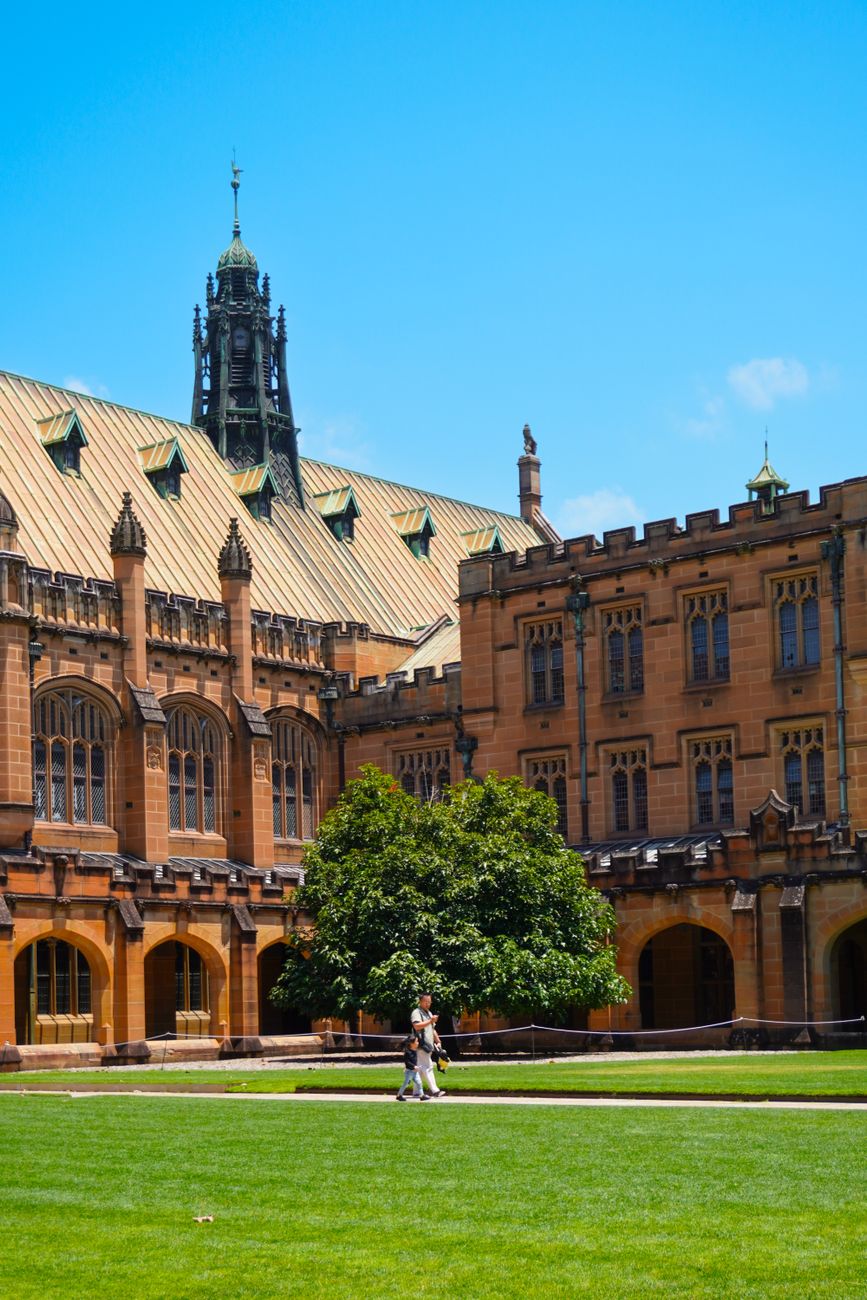
Accuracy means the calculator uses official 2026 tuition data from each university’s fee schedule, not averages. For example, the University of Sydney charges A$56,000 per year for a Bachelor of Engineering (Honours) in 2026, while the University of Queensland charges A$50,400. A calculator that lumps “engineering” into a single band is unreliable.
Transparency requires the tool to show its methodology. Does it include OSHC? Does it add compulsory student services and amenities fees (A$351 per year in 2026)? Does it assume a single or shared accommodation cost? The best tools display each component separately.
Customisation allows users to input their specific program, year level, and living arrangement. A student transferring from a UK A-level programme with 3 A* grades may receive advanced standing, reducing total units. A calculator that cannot adjust for credit transfer overestimates fees.
Real-time data integration is critical. Tuition fees change annually. The Australian government caps international fee increases at 7.5% per year for most programs, but some universities raise fees by the maximum. A calculator using 2024 data is obsolete.
For English-speaking students, the best calculators also accept international qualification inputs. A UK student with A-levels, an IB diploma holder, or a US student with a high school GPA and SAT scores should be able to enter their grades and see how they affect scholarship eligibility and course duration.
Pathways from UK A-Levels, IB, and US High School to Australian Degrees
Australian universities accept a wide range of international qualifications. The best tuition fee calculator for Australian universities should offer a pathway selector that maps your credentials to entry requirements and associated costs.
UK A-level students: Most Australian universities require three A-level passes. For competitive programs like medicine or law, grades of AAA or higher are typical. A student with AAB may receive up to one semester of credit, reducing total tuition by 12.5%. The calculator should reflect this.
IB diploma holders: A score of 30 points is the minimum for most bachelor’s degrees. Programs like engineering at the University of New South Wales require 34 points. IB students often receive advanced standing for Higher Level subjects scored 5 or above. This can shorten a three-year degree to 2.5 years, saving A$15,000 to A$25,000.
US high school students: A GPA of 3.0 on a 4.0 scale plus SAT scores of 1200 or ACT of 25 meets entry requirements for many universities. The University of Melbourne requires a GPA of 3.3 and SAT of 1350 for direct entry. Students with a GPA below 3.0 may need a foundation year, adding A$30,000 to A$40,000 in costs.
IGCSE and O-level students: These qualifications are typically used for foundation programs rather than direct entry. A calculator that includes foundation year costs is essential for this group.
The best tuition fee calculator for Australian universities will let you select your qualification from a dropdown and automatically calculate the likely credit transfer and associated fee reduction.
Scholarships and Financial Aid for English-Speaking Students
Scholarships can dramatically reduce the cost of an Australian degree. The best tuition fee calculator for Australian universities should include a scholarship estimator that factors in your academic profile.
Merit-based scholarships are the most common. The Australian National University’s Chancellor’s International Scholarship covers 50% of tuition for students with a GPA of 6.0/7.0 or equivalent. In 2026, this means a saving of A$25,000 per year for a business student. A calculator that does not prompt for GPA will miss this.
Country-specific scholarships exist for UK and US students. The University of Sydney’s International Student Award offers a A$6,000 tuition reduction for students from the UK and US. The University of Queensland’s UQ Excellence Scholarship provides A$10,000 per year for students with strong academic records.
Subject-specific scholarships are available for high-demand fields. Engineering students may qualify for the Engineers Australia-supported Women in Engineering Scholarship, worth A$15,000. Students pursuing accounting can access CPA Australia’s scholarship program, which offers A$5,000 to students enrolled in accredited programs.
Application timing matters. Most scholarships require a separate application before the semester starts. The University of Melbourne’s deadline for international scholarships is November 30 for February intake. A calculator that includes application deadline reminders is more useful than one that only shows dollar amounts.
The best tuition fee calculator for Australian universities will ask about your intended field of study and home country, then display applicable scholarships with their estimated value and application deadlines.
Professional Accreditation and Course-Specific Costs
Professional accreditation affects both tuition fees and post-study earning potential. The best tuition fee calculator for Australian universities should differentiate between accredited and non-accredited programs.
CPA Australia accreditation: Accounting programs must meet CPA Australia’s core knowledge requirements. Accredited programs at universities like Macquarie University cost A$42,000 per year in 2026. Non-accredited programs may be cheaper but require additional study to qualify for CPA membership. The calculator should flag this difference.
Engineers Australia accreditation: Engineering programs accredited by Engineers Australia under the Washington Accord are recognised globally. Tuition for these programs ranges from A$48,000 to A$56,000 per year. Graduates can work in the UK, US, and Canada without additional exams. The calculator should show the accreditation status of each program.
MBBS pathway: Medical programs are the most expensive. The University of Queensland’s Doctor of Medicine costs A$82,000 per year in 2026. The MBBS pathway requires a bachelor’s degree first, adding A$50,000 to A$70,000 in undergraduate costs. The calculator must allow multi-year projections.
Teaching and nursing: These fields have lower tuition but strict registration requirements. A Bachelor of Nursing at the University of Technology Sydney costs A$38,000 per year. Graduates must register with the Nursing and Midwifery Board of Australia. The calculator should note registration fees (A$200 to A$500) as an additional cost.
Law: The Juris Doctor pathway costs A$45,000 to A$55,000 per year. UK and US law graduates may receive credit for their home degrees, reducing total units. The calculator should allow for prior learning credit.
On-Campus Housing and Living Cost Estimates
Living costs vary significantly by city and accommodation type. The best tuition fee calculator for Australian universities should offer location-specific living cost estimates.
On-campus housing is the most predictable option. The University of Sydney’s on-campus accommodation costs A$450 to A$650 per week in 2026. The University of Melbourne’s colleges range from A$500 to A$800 per week, including meals. A calculator that uses a single national average underestimates Sydney costs by up to 30%.
Off-campus housing is cheaper but variable. In Brisbane, a one-bedroom apartment averages A$400 per week. In Sydney, the same apartment costs A$600. Shared accommodation in Melbourne averages A$300 per person per week. The calculator should let you select city and housing type.
Other living costs add up. Groceries cost A$80 to A$150 per week. Public transport in Sydney costs A$50 per week with a student concession. Mobile phone plans start at A$30 per month. The calculator should sum these to the A$29,710 benchmark.
Regional universities offer lower living costs. The University of Wollongong estimates living costs at A$22,000 per year, 26% below the national benchmark. A calculator that does not offer regional options overstates costs for students choosing these pathways.
The best tuition fee calculator for Australian universities will produce a total cost of attendance (tuition + OSHC + living) that matches visa financial requirements.
International Student Rights and Financial Protections
Understanding your rights protects your finances. The best tuition fee calculator for Australian universities should include a link to or summary of student protections.
Tuition protection: The Education Services for Overseas Students (ESOS) Act requires universities to refund tuition if a course ceases to be offered. In 2026, the Tuition Protection Service processed A$12.3 million in claims. A calculator that explains this provides peace of mind.
Fee refund policies: Universities have specific refund timelines. The University of Queensland refunds 100% of tuition if a student withdraws before census date (typically week 4). After census date, refunds drop to 50% or zero. The calculator should show census dates for each program.
OSHC requirements: Overseas Student Health Cover is mandatory for all student visa holders. In 2026, OSHC costs A$600 to A$1,200 per year depending on the provider and coverage level. The calculator should include OSHC as a separate line item.
Work rights: Student visa holders can work up to 48 hours per fortnight during semester and unlimited hours during breaks. The calculator could include an optional income estimator showing how part-time work offsets costs. At the 2026 minimum wage of A$24.10 per hour, 48 hours per fortnight yields A$1,156 per fortnight before tax.
Consumer protections: The Australian Competition and Consumer Commission (ACCC) enforces fair trading laws. Students can report misleading fee information. A calculator that cites these protections builds trust.
Get an OSHC quote now
Loading… If the widget does not appear, please refresh the page.

FAQ
Q1: What is the single most important feature in the best tuition fee calculator for Australian universities?
The most important feature is real-time tuition data integration with 2026 fee schedules. Without this, the calculator cannot produce accurate estimates. A 2025-based calculator will understate fees by 5% to 7.5% due to annual increases. The second most important feature is scholarship deduction capability. A calculator that does not adjust for scholarships overstates true costs by an average of A$15,000 per year for eligible students.
Q2: How much should I budget for total costs as a UK student starting in 2026?
A UK student starting a three-year Bachelor of Engineering at the University of Melbourne in 2026 should budget A$56,000 per year for tuition, A$700 per year for OSHC, and A$29,710 per year for living costs. Total: A$86,410 per year, or A$259,230 over three years. With a 50% scholarship (possible with A*AA A-levels), total drops to A$175,230. The best tuition fee calculator for Australian universities will show both scenarios.
Q3: Can I use a free online calculator, or do I need to pay for one?
Free calculators from university websites are reliable for that specific institution but cannot compare across universities. A comprehensive free calculator from an independent source is ideal. The best tuition fee calculator for Australian universities is free to use and covers all 43 Australian universities. Paid tools are unnecessary; no subscription is required for accurate fee estimates.
References
- Department of Home Affairs, 2026, Student Visa Financial Capacity Requirements
- Universities Australia, 2026, International Student Fee Index and Scholarship Data
- Australian Government Tertiary Education Quality and Standards Agency, 2026, Course Accreditation Register
- Australian Competition and Consumer Commission, 2026, International Student Consumer Rights Guidelines
- StudyAustralia Editorial, 2026, Independent Analysis of University Fee Calculators