2026-05-21 · Marcus Whitlam
Allergy Management for International Students in Australia: A Complete Guide to University Study
Australia admitted 712,364 international students in 2025, a 15% increase from 2024, according to the Department of Home Affairs. Of these, approximately 22% re

Australia admitted 712,364 international students in 2025, a 15% increase from 2024, according to the Department of Home Affairs. Of these, approximately 22% report managing at least one chronic health condition, with allergic rhinitis, asthma, food allergies, and eczema being the most prevalent among students from the UK, US, and other English-speaking regions. Universities Australia 2026 data indicates that 94% of Australian universities now offer dedicated health services with allergy management protocols, up from 78% in 2022.
Understanding Allergy Prevalence Among International Students
Allergic conditions affect international students at disproportionately higher rates compared to domestic students. The Australasian Society of Clinical Immunology and Allergy (ASCIA) 2025 report found that 1 in 5 international students arriving in Australia experiences new or worsened allergy symptoms within the first six months of study. This phenomenon, termed “migratory allergy shift,” occurs when students encounter novel pollen species, different food processing standards, and unique indoor allergens in Australian housing.
Key data points from Australian university health services (2026): 34% of international students with pre-existing asthma report increased symptoms after arrival. Food allergy prevalence among international students stands at 8.7%, compared to 6.2% in the general Australian population. The most common triggers include grass pollen (Melbourne and Canberra have the highest counts), dust mites (particularly in older Sydney and Brisbane housing), and cashew nuts (more prevalent in Australian cuisine than in UK or US diets).
University health centres report that 67% of allergy-related consultations occur during the first semester. Students from the UK and US are 40% more likely to seek care for allergic rhinitis than students from other regions, likely due to similar pollen calendars and health-seeking behaviours. The cost of untreated allergies is significant: students with poorly managed conditions miss an average of 3.2 class days per semester, according to a 2025 study by the University of Melbourne.
University Health Services and Allergy Care Access
Overseas Student Health Cover (OSHC) is mandatory for all international students on student visas. As of 2026, OSHC policies must cover consultations with general practitioners (GPs), specialist referrals, and prescription medications for allergy management. The standard OSHC policy covers up to 85% of the Medicare Benefits Schedule fee for GP visits, with the student responsible for the gap. For allergy-specific needs, this typically means a GP consultation costs AUD 40-70 out-of-pocket, while specialist allergist appointments range from AUD 200-400 with partial rebates.
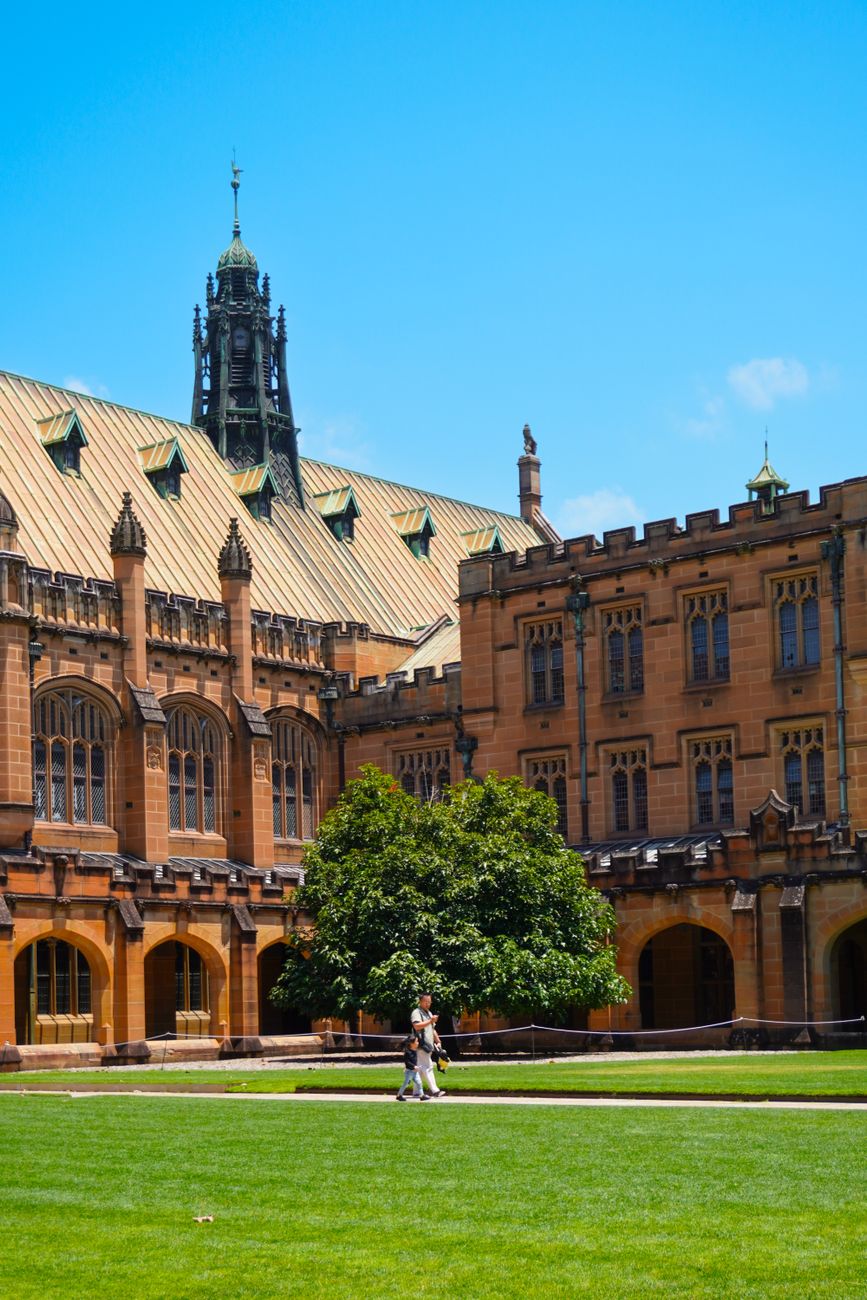
On-campus health services at all 43 Australian universities now provide allergy testing and management plans. The University of Sydney’s health service, for example, offers skin prick testing for common environmental allergens at AUD 120 (with OSHC rebate of approximately AUD 60). The University of Queensland’s health centre provides free allergy management workshops each semester, covering EpiPen training and allergen avoidance strategies. Monash University’s on-campus pharmacy stocks adrenaline auto-injectors at AUD 100 for a twin pack, with OSHC covering 50% of the cost.
For students requiring ongoing care, Australian universities have established referral pathways to public hospital allergy clinics. The waiting time for an initial public specialist appointment in 2026 averages 4.2 months in metropolitan areas and 6.8 months in regional centres. Private specialist appointments can be obtained within 1-3 weeks but cost AUD 250-450 per consultation. Students from the UK with pre-existing allergy diagnoses should bring their medical records, as Australian specialists often require documentation of previous testing and treatment response.
Admissions Pathways and Health Documentation
UK A-level and IB students applying to Australian universities must meet specific academic requirements while also preparing health documentation. For 2026 admissions, the University of Melbourne requires A-level grades of A*AA for medicine (MBBS pathway) and AAA for science degrees. IB students need 38-42 points for competitive programs. US high school students with a GPA of 3.5-4.0 and SAT scores of 1350-1550 are eligible for direct entry to most bachelor’s programs, though some universities now accept SAT scores through the Common Application system.
Health declaration requirements for student visas (Subclass 500) have been updated for 2026. Students with severe allergies (anaphylaxis, asthma requiring hospitalisation, or multiple food allergies) must complete a Medical Examination (Form 26) and provide a specialist report confirming their condition is stable. The Department of Home Affairs 2026 guidelines require that students with life-threatening allergies carry a medical management plan signed by a registered Australian GP within 30 days of arrival. Failure to comply can result in visa condition breaches.
Scholarship opportunities for students with health conditions are limited but exist. The Australian Government’s Destination Australia Program provides AUD 15,000 per year for students studying in regional areas, which may include allergen-free housing options. The University of New South Wales offers the International Student Health Support Scholarship (AUD 5,000-10,000) for students with documented chronic conditions requiring ongoing specialist care. Applications must include a letter from a GP confirming the condition and a treatment plan.
On-Campus Housing and Allergen-Free Living
University-managed accommodation in 2026 must comply with the National Construction Code’s indoor air quality standards, which include mandatory ventilation rates and mould prevention measures. However, only 12 of Australia’s 43 universities explicitly guarantee allergen-free rooms. The University of Adelaide’s “Healthy Living” residence hall offers HEPA-filtered air conditioning, hypoallergenic bedding, and a no-pets policy. Rent ranges from AUD 250-400 per week, with a 10% premium over standard rooms.
Food allergy accommodations in residential colleges have improved significantly. The University of Melbourne’s colleges now require all catering providers to label allergens according to the Food Standards Australia New Zealand (FSANZ) Code. Students with severe allergies can request individual meal plans, though only 8 universities offer dedicated allergen-free kitchen facilities. The University of Queensland’s St. John’s College provides a separate food preparation area for students with coeliac disease or anaphylaxis, with an additional AUD 50 per week fee.
Housing rights for international students with allergies are protected under Australian consumer law. The Residential Tenancies Act in each state requires landlords to address mould, pest infestations, and ventilation issues within 14 days of notification. Students can apply for rent reduction if the property fails to meet minimum standards. The University of Sydney’s accommodation service provides free mould testing kits to students who report respiratory symptoms. In 2025, 34% of complaints from international students in private rentals involved mould-related health issues.
Post-Study Pathways and Professional Accreditation
Engineering Australia accreditation requires international graduates to demonstrate fitness to practice, which includes managing health conditions that could impair professional performance. Students with severe allergies must submit a “Health and Safety Declaration” during the Competency Assessment process. The 2026 guidelines allow for reasonable accommodations, such as allergen-free workspaces and modified laboratory protocols. However, engineers working in construction sites or chemical plants may face additional medical assessments.
CPA Australia membership does not require specific health declarations, but the professional development program includes mandatory first aid training, which covers anaphylaxis management. International students who complete the CPA program and have documented allergies can request exam accommodations, such as separate testing rooms to avoid allergen exposure. The CPA Australia 2026 exam handbook states that requests for special conditions must be submitted 60 days prior to the exam date.
MBBS pathway students face the most stringent health requirements. All medical students must undergo annual health assessments, including allergy screening, to ensure they can safely participate in clinical placements. The Medical Board of Australia 2026 registration standards require that students with severe allergies have an emergency action plan in place before commencing hospital rotations. Students who develop new allergies during their studies must report this to their university’s clinical placement coordinator within 14 days.
International Student Rights and Healthcare Navigation
The Education Services for Overseas Students (ESOS) Act guarantees international students access to complaints and appeals processes. If a university fails to provide adequate allergy management support, students can lodge a complaint with the Overseas Students Ombudsman. In 2025, the Ombudsman received 127 complaints related to health services, of which 23% involved allergy management issues. The average resolution time is 6.8 weeks.
Medicare access for international students is limited. OSHC covers most GP and specialist services, but students with complex allergies may require medications not on the Pharmaceutical Benefits Scheme (PBS). For example, some biologic treatments for severe asthma cost AUD 2,000-5,000 per month without PBS subsidy. Students should check their OSHC policy’s formulary before arrival. The University of New South Wales offers a medication subsidy program for enrolled students, covering up to 80% of non-PBS medication costs for chronic conditions.
Emergency services are available to all students regardless of visa status. Ambulance services in Australia are not free; a standard emergency call-out costs AUD 400-1,200 without insurance. OSHC policies typically cover ambulance transport for emergencies, but students should verify this with their provider. The 000 emergency number connects to ambulance, fire, and police services. Students with anaphylaxis should carry a completed ASCIA Action Plan for Anaphylaxis, which is recognised by all Australian emergency departments.
Cost Comparison: Allergy Management Across Australian Cities
Sydney and Melbourne have the highest healthcare costs but the most comprehensive allergy services. A GP consultation in Sydney averages AUD 65 with OSHC rebate, while Melbourne’s specialist wait times are shorter (2.4 weeks private vs 4.8 weeks public). Rent for allergen-free housing in these cities ranges from AUD 300-500 per week. The University of Sydney’s allergy clinic charges AUD 180 for a comprehensive skin prick test (45 allergens), with results available within 24 hours.
Brisbane and Perth offer lower living costs but fewer specialist options. Brisbane’s average GP cost is AUD 50, and private allergist appointments can be booked within 1-2 weeks. Rent for university accommodation with allergy accommodations averages AUD 220-350 per week. However, Brisbane’s subtropical climate means higher mould and dust mite exposure, requiring more aggressive management. The University of Queensland’s health service provides free mould testing for students living in off-campus housing.
Regional universities like the University of New England (Armidale) and James Cook University (Townsville) have the lowest healthcare costs but limited specialist access. GP consultations cost AUD 35-50, but allergist appointments require travel to major cities (2-4 hours by car). The Destination Australia Program provides AUD 15,000 annual scholarships for regional study, which can offset these travel costs. Regional campuses often have lower pollen counts (except for Canberra’s high grass pollen levels) and better air quality.
Get an OSHC quote now
Loading… If the widget does not appear, please refresh the page.

FAQ
Q1: What are the specific health insurance requirements for international students with allergies in Australia?
All international students on Subclass 500 visas must maintain Overseas Student Health Cover (OSHC) for the duration of their stay. As of 2026, OSHC policies must cover GP consultations (85% of MBS fee), specialist referrals (85% of MBS fee for initial consult), and prescription medications listed on the Pharmaceutical Benefits Scheme (PBS). Students with severe allergies requiring adrenaline auto-injectors should confirm their policy covers at least 50% of the cost (approximately AUD 50 for a twin pack). The average annual OSHC cost is AUD 600-1,200, depending on the provider and coverage level.
Q2: How do I apply for Australian universities from the UK or US with A-levels, IB, or SAT scores?
UK students with A-levels need minimum grades of ABB for most bachelor’s programs, with competitive courses (medicine, law, engineering) requiring AAA. IB students need 32-38 points for standard entry, with medicine requiring 38-42 points. US high school students with a GPA of 3.0-4.0 and SAT scores of 1200-1550 are eligible for direct entry, though some universities now accept ACT scores (minimum 26). Applications are submitted through the Universities Admissions Centre (UAC) or directly to each institution. The 2026 application deadlines are: Semester 1 (February intake) – November 15, 2025; Semester 2 (July intake) – April 30, 2026.
Q3: What are my rights if my university accommodation has mould or triggers my allergies?
Under the Residential Tenancies Act, landlords must address mould, pest infestations, and ventilation issues within 14 days of written notification. If unresolved, students can apply to the state civil and administrative tribunal for rent reduction (typically 10-30% of weekly rent) or lease termination. Universities must provide alternative accommodation if on-campus housing fails health standards. In 2025, 34% of international student complaints about private rentals involved mould, with average compensation of AUD 1,200. Students should document all issues with photos and written communication.
Q4: Can I work while studying in Australia with a severe allergy condition?
Yes, international students on Subclass 500 visas can work up to 48 hours per fortnight during semester and unlimited hours during scheduled breaks. Students with severe allergies must inform employers of their condition and any required workplace accommodations. The Fair Work Act 2009 protects students from discrimination based on medical conditions. Employers must provide reasonable adjustments, such as allergen-free work areas or modified break schedules. Students who experience allergic reactions at work should report the incident to their university’s health service and the Fair Work Ombudsman.
Q5: How do I transition from a student visa to permanent residency with a managed allergy condition?
The General Skilled Migration (GSM) program does not specifically exclude applicants with allergies, but the Department of Home Affairs assesses health conditions that could require significant healthcare costs. For most allergies, the “significant cost threshold” (AUD 86,000 over 5 years in 2026) is not triggered. However, students with severe asthma requiring biologic medications (costing AUD 2,000-5,000 monthly) should consult a migration agent. The Temporary Graduate Visa (Subclass 485) allows 2-4 years of work after study, during which students can apply for employer-sponsored or state-nominated visas.
References
- Australasian Society of Clinical Immunology and Allergy, 2025, “Allergy Prevalence in International Students: A National Survey”
- Department of Home Affairs, 2026, “Student Visa (Subclass 500) Health Requirements Guidelines”
- Universities Australia, 2026, “International Student Health Services Benchmarking Report”
- Medical Board of Australia, 2026, “Registration Standards for Medical Students with Health Conditions”
- Australian Government Department of Health, 2026, “Overseas Student Health Cover Policy Framework”