2026-05-21 · Diana Chu
Adelaide Cost of Living for International Students 2026: A Complete Budget Guide for Global English-Speaking Students
Adelaide’s median weekly rent for a one-bedroom apartment in the city centre fell to $520 in Q1 2026, down from $580 in 2024, according to the South Aus
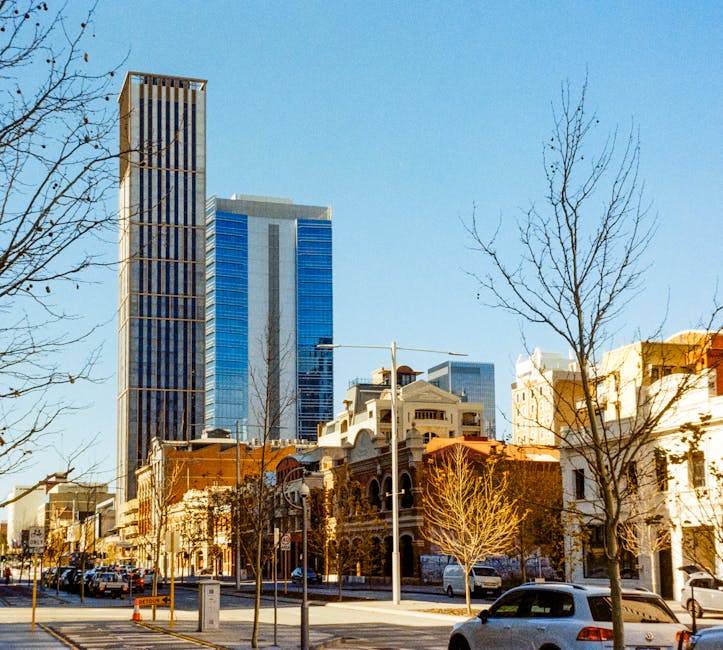
Adelaide’s median weekly rent for a one-bedroom apartment in the city centre fell to $520 in Q1 2026, down from $580 in 2024, according to the South Australian Real Estate Institute. The Department of Home Affairs 2026 now requires international students to demonstrate $29,710 per year in living funds for a single student, up from $24,505 in 2024. This 21% increase reflects the rising baseline costs across Australian capital cities, yet Adelaide remains the most affordable mainland university city for students from the UK, USA, Canada, and Ireland.
Why Adelaide? Cost Comparisons for Global English-Speaking Students
Adelaide offers a 20-30% lower cost of living than Sydney or Melbourne for comparable housing and lifestyle. A student from the UK paying £12,000 per year for London rent can expect to spend A$24,000-$28,000 (approx. £12,500-£14,500) for a full year of Adelaide rent, utilities, food, and transport. For American students, the $29,710 AUD Department of Home Affairs requirement translates to roughly $19,500 USD—well below the $25,000-$30,000 USD typical for US college towns like Boston or Ann Arbor.
The University of Adelaide and Flinders University both offer on-campus housing at A$280-$420 per week (2026 rates), inclusive of utilities and internet. This is significantly cheaper than equivalent university accommodation in Sydney ($450-$650) or Melbourne ($380-$550). The Adelaide City Council has capped annual public transport fare increases at 2.5% for 2026, keeping the metro-wide student concession pass at $1,020 per year.
For UK A-level students transitioning to Australian degrees, the UCAS-style adjustment means most Australian universities accept ABB to AAA in relevant subjects for direct entry to bachelor’s programs. IB diploma holders need a minimum 28-32 points for most courses, with competitive programs like medicine requiring 38+. American high school students with a GPA of 3.0-3.5 and SAT scores of 1200-1400 can gain direct admission to most Adelaide universities, though specific program requirements vary.
Accommodation: On-Campus, Private Rental, and Homestay Options
On-campus housing remains the most predictable cost for international students. The University of Adelaide’s Roseworthy Campus offers single rooms at $320 per week (2026), while Flinders University’s Student Village charges $340-$420 per week depending on room type. These rates include electricity, water, internet, and basic furniture. On-campus housing typically requires a 12-month lease, with a $500-$1,000 bond refundable upon checkout.
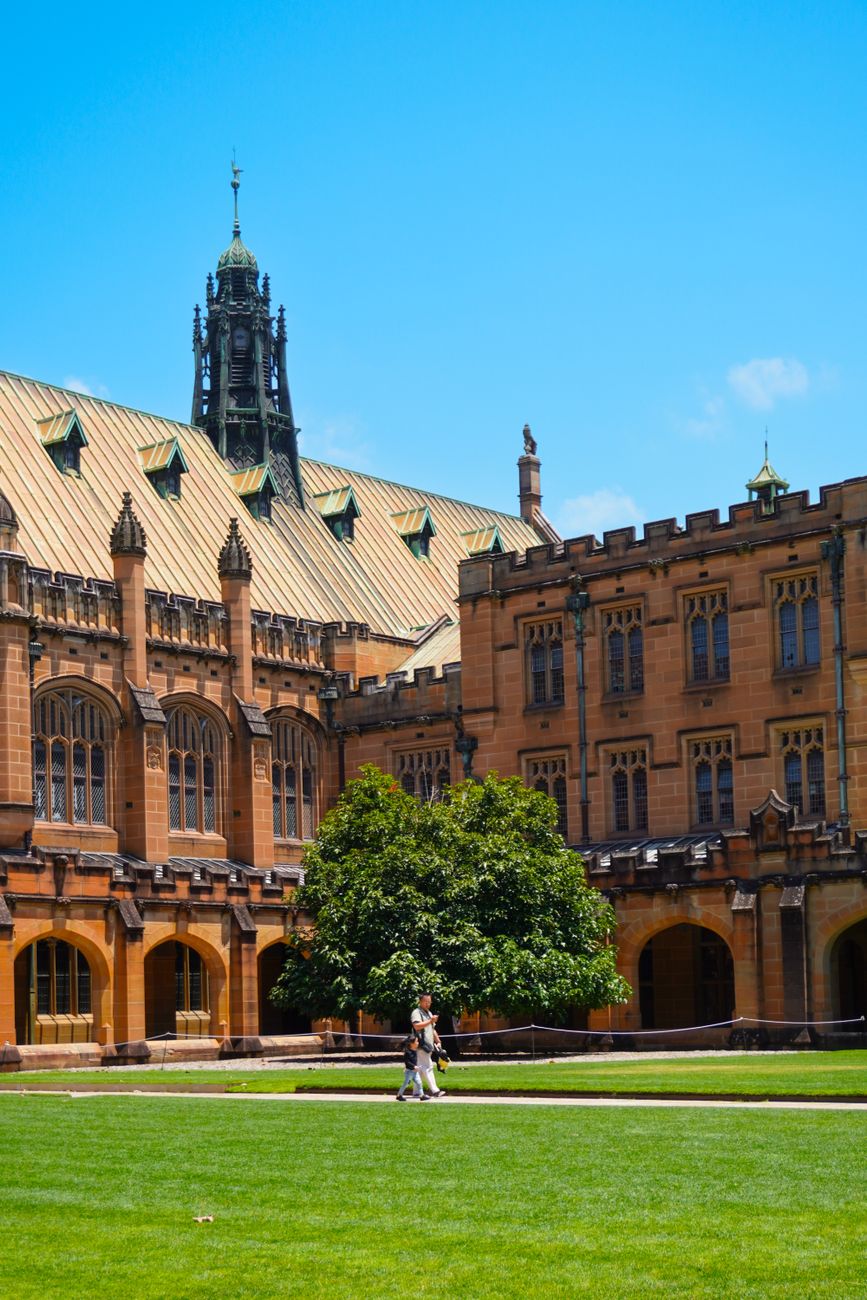
Private rental in Adelaide’s inner suburbs (North Adelaide, Norwood, Unley) averages $450-$550 per week for a one-bedroom unit. Share houses reduce costs to $250-$350 per week per person. The Adelaide rental vacancy rate sat at 1.2% in March 2026, up from 0.8% in 2024, giving students slightly more bargaining power. Tenancy rights under South Australian law require landlords to provide minimum housing standards, including functioning heating, cooling, and locks. International students have the same rights as domestic tenants under the Residential Tenancies Act 1995 (SA).
Homestay programs through StudyAdelaide or university-affiliated providers cost $280-$350 per week (2026), including two meals per day. This option suits students under 18 or those wanting cultural immersion. Homestay providers must be registered with the South Australian Department for Education, and students can request a change if issues arise.
Food, Transport, and Healthcare: Daily Expenses
Groceries for one student average $80-$120 per week (2026). A typical weekly shop at Woolworths or Coles includes milk ($3.50), bread ($4.00), eggs ($6.00), chicken ($12/kg), vegetables ($15), and rice ($5). Adelaide Central Market offers cheaper fresh produce, with fruit and vegetable bundles for $25-$35. Eating out costs $15-$25 for a main course at casual restaurants, with student meal deals available near universities for $10-$15.
Public transport is heavily subsidised for students. The Adelaide Metro student concession card costs $1,020 per year (2026), down from $1,080 in 2025 due to a government review. This covers buses, trains, and trams across the metropolitan area. Bike sharing through Adelaide Bike Share offers $5 per day or $30 per month for unlimited 30-minute rides. Walking is feasible for students living within 3 km of the city centre.
Overseas Student Health Cover (OSHC) is mandatory. Single OSHC for 12 months costs $550-$700 (2026) through approved providers like Medibank, Allianz, or BUPA. Ambulance cover is not included in standard OSHC; students should budget $50-$80 per year for optional ambulance membership with SA Ambulance Service. GP visits under OSHC cost $0-$40 depending on the provider, with most bulk-billing clinics in Adelaide offering free consultations for OSHC holders.
Tuition Fees and Scholarships for English-Speaking Students
Undergraduate tuition fees for international students at Adelaide universities range from $35,000-$48,000 per year (2026). The University of Adelaide charges $38,000-$45,000 for most bachelor’s programs, while Flinders University charges $35,000-$42,000. University of South Australia (UniSA) fees sit at $36,000-$43,000. Postgraduate programs cost $37,000-$50,000, with MBA programs often exceeding $50,000.
Scholarships for English-speaking students are abundant. The University of Adelaide Global Citizens Scholarship offers 15-30% tuition reduction for students from the UK, USA, Canada, and Ireland with a GPA equivalent to 3.0+ or A-level grades of ABB+. Flinders University’s Go Beyond Scholarship provides $5,000-$10,000 per year for students from priority countries, including the UK and USA. UniSA’s International Merit Scholarship awards $4,000-$8,000 per year for students with ATAR-equivalent scores above 80 (or SAT 1300+).
Professional accreditation pathways are critical for English-speaking students. CPA Australia requires 12 core subjects in accounting; Adelaide universities offer CPA-accredited bachelor’s degrees that cover all requirements. Engineers Australia accreditation is granted to four-year engineering degrees from Adelaide universities, allowing graduates to work in the UK, USA, and Canada under mutual recognition agreements. MBBS pathway students from the UK and USA can apply for graduate-entry medicine at the University of Adelaide (4-year program, $72,000 per year) or Flinders University (4-year program, $68,000 per year). International students must sit the GAMSAT or MCAT for admission, with minimum scores of 55-60 (GAMSAT) or 505-510 (MCAT).
Part-Time Work and Post-Study Work Rights
Student visa holders can work 48 hours per fortnight during semester and unlimited hours during scheduled breaks (2026 rules). The national minimum wage in Australia is $24.10 per hour (2026), meaning a student working 24 hours per fortnight earns $578 per fortnight (approximately $15,000 per year). Hospitality jobs in Adelaide pay $25-$30 per hour for casual staff, while retail pays $24-$28 per hour. On-campus jobs (library, administration, research assistance) pay $30-$40 per hour and are restricted to enrolled students.
Post-study work rights for international students graduating from Adelaide universities are among the most generous in Australia. Graduates with a bachelor’s degree can apply for a Temporary Graduate Visa (subclass 485) valid for 2 years (2026). Master’s degree graduates receive 3 years, and PhD graduates receive 4 years. Graduates living in Adelaide (designated regional area) can apply for an additional 1-2 years on their post-study work visa, making the total 3-5 years for bachelor’s and master’s graduates. To qualify, students must have completed at least 2 academic years (92 weeks) of study in Australia and hold a valid visa at time of application.
International student rights under the Education Services for Overseas Students (ESOS) Act 2000 include access to complaint processes, refund protections if courses are cancelled, and minimum 20 hours per week of face-to-face teaching. The Fair Work Ombudsman investigates wage theft and underpayment, with penalties up to $630,000 for employers who exploit international students.
Budget Breakdown: A Realistic 2026 Monthly Plan
| Expense Category | Monthly Cost (AUD) | Percentage of Total |
|---|---|---|
| Rent (on-campus, $350/week) | $1,516 | 42% |
| Food ($100/week) | $433 | 12% |
| Transport (concession pass) | $85 | 2% |
| Utilities (included in on-campus) | $0 | 0% |
| OSHC ($600/year) | $50 | 1% |
| Phone/Internet ($50/month) | $50 | 1% |
| Entertainment ($60/week) | $260 | 7% |
| Study supplies ($30/week) | $130 | 4% |
| Miscellaneous ($40/week) | $173 | 5% |
| Total Monthly | $2,697 | 100% |
| Annual Total | $32,364 | - |
This budget assumes on-campus housing with utilities included. Students in private rental should add $200-$400 per month for utilities (electricity, gas, water, internet). The Department of Home Affairs 2026 requires $29,710 in living funds, meaning students must have $2,476 per month available. The above budget slightly exceeds this, suggesting students should supplement with part-time work or scholarships.
Key cost savings for English-speaking students include:
- Using student discounts at Adelaide’s museums, galleries, and public transport
- Shopping at Aldi for groceries (15-20% cheaper than Woolworths/Coles)
- Cooking in bulk and using student meal prep services ($5-$8 per meal)
- Cycling instead of using public transport (saves $85/month)
- Sharing streaming services (Netflix, Spotify) with housemates ($10/month each)
Get an OSHC quote now
Loading… If the widget does not appear, please refresh the page.

FAQ
Q1: How much money do I need to show for an Australian student visa in 2026 for Adelaide?
The Department of Home Affairs 2026 requires international students to demonstrate $29,710 AUD per year for living costs for a single student. This is 21% higher than the 2024 requirement of $24,505. For a student bringing a spouse, add $10,400 AUD; for each child, add $4,490 AUD. Tuition fees (typically $35,000-$48,000 per year for undergraduate programs) and travel costs (approximately $2,000-$3,000 for flights) are additional. Students must show 12 months of funds at the time of visa application, or evidence of ongoing income (e.g., parents’ salary, scholarship letter). Acceptable evidence includes bank statements, education loan letters, or scholarship award letters dated within 3 months of application.
Q2: What is the cheapest accommodation option for international students in Adelaide in 2026?
The cheapest accommodation is on-campus housing at $280-$420 per week (2026), including utilities and internet. Homestay costs $280-$350 per week with two meals daily. Share houses in suburbs like Mile End, Goodwood, or Parkside cost $250-$350 per week per person, but utilities ($50-$100 per week) are extra. Private rental of a one-bedroom apartment costs $450-$550 per week. Budget tip: Apply for university-managed housing early (applications open June for February intake), as it fills quickly. Flinders University offers $5,000 housing bursaries for students from the UK and USA who commit to on-campus housing for the first year.
Q3: Can I work while studying in Adelaide as an international student in 2026?
Yes. Student visa holders can work 48 hours per fortnight during semester (2026 rule, unchanged from 2025) and unlimited hours during scheduled university breaks (typically 4 weeks in June-July and 12 weeks in November-February). The national minimum wage is $24.10 per hour (2026). A student working 24 hours per fortnight earns $578 per fortnight, or $15,028 per year (assuming they work all breaks too). On-campus jobs pay $30-$40 per hour. Restrictions: You cannot work until your course commences, and you must maintain satisfactory course attendance (80% minimum) and academic progress. Breaching work conditions can result in visa cancellation.
Q4: What scholarships are available for UK and US students at Adelaide universities in 2026?
The University of Adelaide Global Citizens Scholarship offers 15-30% tuition reduction for students with A-level grades ABB+ (UK) or GPA 3.0+ (US). Flinders University Go Beyond Scholarship provides $5,000-$10,000 per year for students from the UK, USA, Canada, and Ireland. UniSA International Merit Scholarship awards $4,000-$8,000 per year for students with ATAR-equivalent scores above 80 (or SAT 1300+). Application deadlines vary: Round 1 closes May 31, 2026 for February 2027 intake; Round 2 closes October 31, 2026 for July 2027 intake. No separate application is needed for most scholarships—universities automatically consider you upon application. Scholarship amounts are deducted from tuition fees each semester.
Q5: How does the UK A-level to Australian university entry process work for Adelaide in 2026?
UK A-level students apply through UCAS-style direct applications to each university. Typical offers require ABB to AAA in relevant subjects for bachelor’s programs. IB diploma holders need 28-32 points for most courses, with medicine requiring 38+. American high school students need a GPA of 3.0-3.5 and SAT scores of 1200-1400. Application timelines: Main intake February 2027: applications open August 2026, with offers made October-December 2026. Mid-year intake July 2027: applications open February 2027. Conditional offers are common, requiring final exam results. English language requirements are IELTS 6.5 (no band below 6.0) for most programs, or equivalent PTE/TOEFL scores. UK students with GCSE English at grade C+ are exempt from English tests for most universities.
References
- Department of Home Affairs, 2026, Student Visa Living Cost Requirements
- South Australian Real Estate Institute, 2026, Adelaide Rental Market Report Q1 2026
- Universities Australia, 2026, International Student Data and Fee Schedules
- Fair Work Ombudsman, 2026, National Minimum Wage Order
- StudyAdelaide, 2026, International Student Cost of Living Guide