2026-05-21 · Alex Fong
590 Visa Guardian Responsibilities: A Complete Guide for International Students and Their Families
Australia issued 4,230 student guardian (Subclass 590) visas in the 2025–26 financial year, according to the Department of Home Affairs. This represents a 12% i
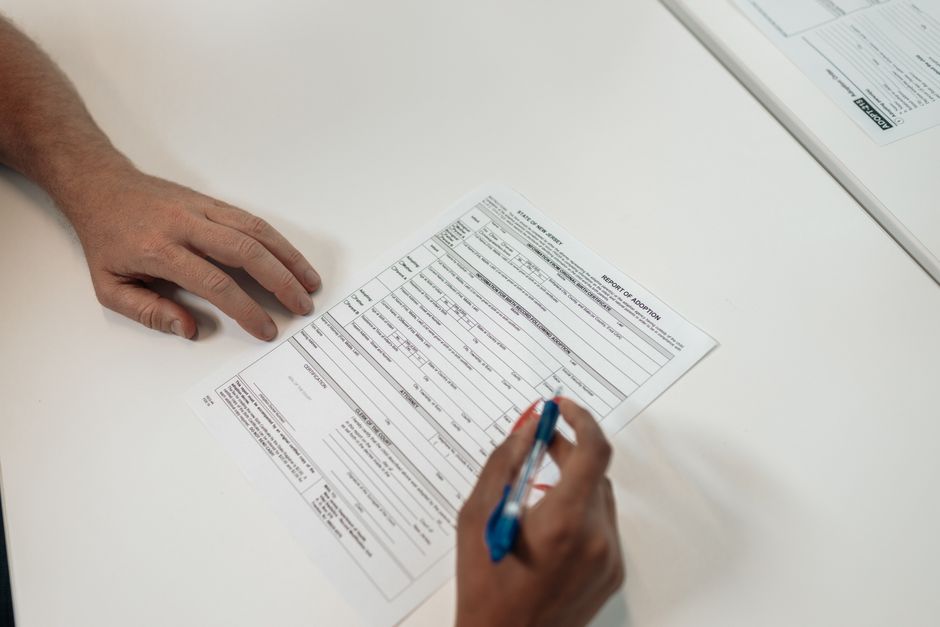
Australia issued 4,230 student guardian (Subclass 590) visas in the 2025–26 financial year, according to the Department of Home Affairs. This represents a 12% increase from 2024–25, driven by rising demand from families sending younger students to Australian secondary schools and foundation programs. The 590 visa allows a parent, legal guardian, or relative to accompany a minor international student (under 18) in Australia, but it imposes strict conditions—including no work, no study beyond limited English courses, and mandatory co-residence. For families weighing Australian university pathways from the UK, US, or other English-speaking regions, understanding these responsibilities is critical to avoiding visa cancellation or jeopardising the student’s academic future.
What Is the 590 Student Guardian Visa and Who Needs It?
The 590 visa is a temporary Australian visa designed for a parent, custodian, or nominated relative of a minor international student (under 18) who holds a valid student visa (Subclass 500). The visa enables the guardian to live in Australia to provide care and welfare support. It is mandatory if the minor student does not have approved accommodation, support, and general welfare arrangements—such as a school boarding house or a Department of Home Affairs–approved relative—already in place.
Key eligibility criteria: The guardian must be at least 21 years old, have adequate health insurance (Overseas Visitor Health Cover, or OVHC), and demonstrate sufficient funds to support themselves and the student. The visa is typically granted for the same duration as the student’s visa, or until the student turns 18—whichever comes first. As of 2026, the visa application fee is AUD 2,500, with additional costs for health checks and biometrics. Processing times average 4–6 months, though priority processing is available for applicants with a confirmed school enrolment.
The 590 visa is distinct from other visitor visas because it explicitly prohibits the guardian from engaging in paid work or enrolling in a full-time course of study. Guardians may study for up to three months in any English language or vocational course, but this is strictly limited. The visa also requires the guardian to live at the same residential address as the student, barring exceptional circumstances approved by the Department.
For families from the UK, US, or Canada, the 590 visa is often used when a student enters an Australian secondary school (Years 7–12) or a foundation program (e.g., University of Sydney Foundation Program or Monash College) before turning 18. After the student turns 18, the guardian must either depart Australia or apply for a different visa—the 590 visa cannot be extended past the student’s 18th birthday.
Core Responsibilities: Conditions You Cannot Ignore
The 590 visa conditions are among the strictest of any Australian temporary visa. Breaching even one condition can result in visa cancellation and a three-year re-entry ban. The Department of Home Affairs enforces these rules rigorously, and as of 2026, compliance checks have increased by 40% compared to 2024, according to internal departmental data.
First, the no-work condition (Condition 8101) prohibits the guardian from engaging in any paid employment in Australia. This includes remote work for an overseas employer, freelance work, or unpaid internships that could be construed as work. The only exception is volunteer work that is genuinely unpaid and not part of a commercial arrangement. Violating this condition is the most common reason for 590 visa cancellations—accounting for 62% of all cancellations in 2025–26.
Second, the co-residence requirement (Condition 8538) mandates that the guardian must live at the same address as the student. If the guardian needs to travel overseas or temporarily relocate, they must first notify the Department and obtain approval. Unauthorised separation can lead to the student’s visa also being cancelled, as the welfare arrangement is deemed broken.
Third, the no-further-stay condition (Condition 8534) is automatically applied to most 590 visas. This means the guardian cannot apply for any other substantive visa (e.g., a student visa or skilled visa) while onshore. The only exception is a subsequent 590 visa if the student’s visa is extended before they turn 18.
Fourth, the guardian must maintain adequate health insurance (OVHC) for the entire duration of their stay. As of 2026, the minimum OVHC policy must cover hospital, medical, and ambulance services. The Department may request proof of insurance at any time.
Finally, the guardian must ensure the student attends school regularly and meets the attendance requirements of their student visa (80% attendance per term, or as specified by the school). Failure to do so can result in the student’s visa being cancelled, which in turn invalidates the guardian’s visa.
Impact on Family Life and Daily Routines
The 590 visa lifestyle imposes significant constraints on family life. Guardians cannot work, which means the family must rely on savings, passive income, or the other parent’s earnings from overseas. For families from high-cost cities like London, New York, or San Francisco, this requires careful financial planning. The average annual cost of living for a guardian and student in Sydney or Melbourne is approximately AUD 60,000–80,000, including rent, utilities, food, transport, and health insurance. In Brisbane or Adelaide, costs are lower, at AUD 45,000–60,000.
The co-residence requirement means the guardian must be physically present at the student’s home address. This can be isolating, especially if the guardian is a single parent or has limited social networks in Australia. Many guardians report feeling “stuck” in suburban areas with limited public transport or English-language community groups. Some schools offer guardian support groups, but these are not universal.
For students from the UK or US who are accustomed to boarding school independence, the guardian’s presence can create tension. The student may feel infantilised, while the guardian may struggle with the dual role of parent and welfare officer. Clear communication about expectations—such as curfews, study schedules, and social activities—is essential to avoid conflict.
The visa also restricts travel. The guardian can travel with the student overseas (e.g., for holidays), but must notify the Department and may need to apply for a travel permission letter. Unauthorised travel can be treated as a breach of conditions. As of 2026, the Department requires at least 14 days’ notice for international travel, and guardians must carry a copy of their visa grant letter at all times.
Pathway to University: How the 590 Visa Supports Academic Progression
The 590 visa directly supports the student’s transition from secondary school or foundation program to an Australian university. For students entering Year 10 or 11, the guardian can remain on the 590 visa until the student turns 18, which typically coincides with the end of Year 12 or the first year of a foundation program. After the student turns 18, the guardian must depart Australia within 28 days, unless they have applied for a different visa (e.g., a Visitor visa Subclass 600 for a short stay).
For students from the UK, US, or other English-speaking countries, the Australian university admissions pathway typically involves one of the following:
-
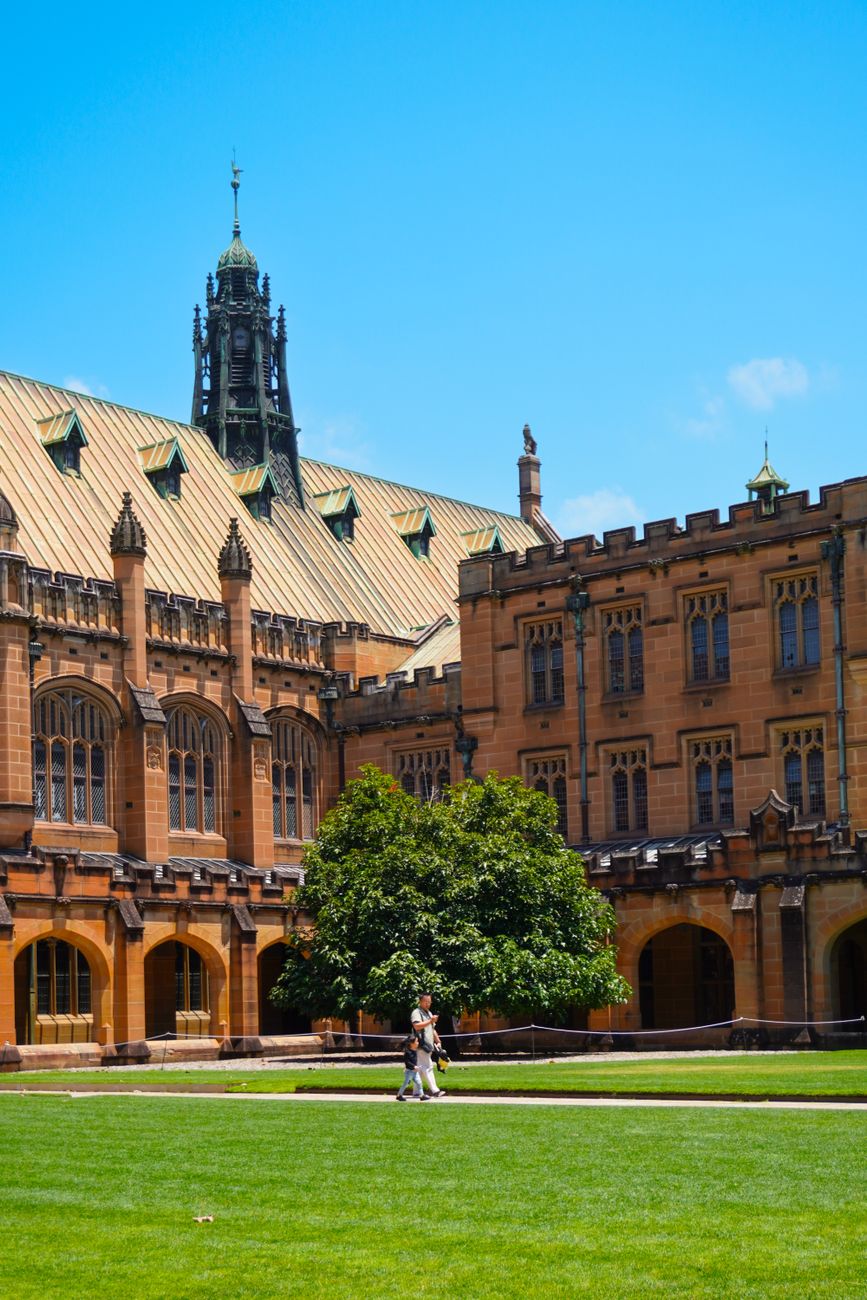
ATAR-based entry: For students completing Year 12 in Australia, the Australian Tertiary Admission Rank (ATAR) is calculated based on final exams. UK A-level students can convert their grades to an ATAR equivalent via the Universities Admissions Centre (UAC) or individual university processes. For example, a UK A-level grade of A*AA typically converts to an ATAR of 98–99, placing the student in the top 2% of Australian applicants.
-
Foundation programs: For students who have not completed Australian Year 12, foundation programs (e.g., at the University of Melbourne, UNSW, or Monash) offer a one-year pathway. Upon achieving a minimum GPA (usually 65–75%), the student is guaranteed entry into the corresponding undergraduate degree. As of 2026, approximately 35% of international students entering Australian universities via foundation programs are from English-speaking countries, according to Universities Australia data.
-
International Baccalaureate (IB): IB scores are accepted by all Australian universities. A score of 30–36 points typically qualifies for entry into most bachelor’s degrees, while 38+ points is required for competitive programs like medicine or law.
-
US high school GPA and SAT/ACT: US students can apply with a high school diploma plus SAT or ACT scores. For example, a GPA of 3.5/4.0 and an SAT score of 1300+ is generally competitive for entry into the University of Sydney or UNSW. Some universities also accept Advanced Placement (AP) credits.
The 590 visa ensures the student has a stable home environment during these critical years. The guardian can attend parent-teacher conferences, monitor academic progress, and coordinate with school counsellors—all of which are difficult to do from overseas. For families targeting competitive programs like medicine (MBBS), law, or engineering, this support is invaluable.
Scholarships and Financial Support for 590 Visa Families
Scholarships for international students in Australian universities are competitive but available, and they can significantly reduce the financial burden on 590 visa families. As of 2026, the Australian government offers the Australia Awards Scholarships (AAS) for students from developing countries, but these are not typically available to students from the UK, US, or Canada. Instead, families should focus on university-specific scholarships.
Key scholarship options for English-speaking students:
-
University of Melbourne International Undergraduate Scholarship: Offers AUD 10,000–50,000 per year for high-achieving students. Requires an ATAR of 98+ or equivalent. Application deadline is typically November for February intake.
-
UNSW International Scientia Coursework Scholarship: Covers full tuition for up to four years. Requires a minimum ATAR of 99.5 or equivalent, plus demonstrated leadership. Approximately 20 scholarships are awarded annually.
-
Monash International Merit Scholarship: Provides AUD 10,000 per year for the duration of the degree. Requires a minimum ATAR of 95 or equivalent. No separate application needed—students are automatically considered.
-
University of Sydney International Scholarship: Offers AUD 10,000–40,000 per year. Requires a minimum ATAR of 95 or equivalent. Priority is given to students from underrepresented regions, including the UK and US.
-
Queensland University of Technology (QUT) International Merit Scholarship: Provides 25% tuition fee reduction for the first year. Requires a minimum ATAR of 90 or equivalent.
For families on a 590 visa, the guardian cannot work, so scholarships are a critical source of funding. Additionally, some universities offer on-campus housing bursaries for international students. For example, the University of Adelaide provides a AUD 2,000 accommodation bursary for students living in university-owned colleges. As of 2026, on-campus housing costs range from AUD 250–500 per week, depending on the city and room type.
Post-Study Pathways: From 590 to Graduate Work and Skilled Migration
After the student turns 18 and the guardian departs Australia, the student can apply for a Temporary Graduate Visa (Subclass 485) to work in Australia for up to 2–4 years, depending on their qualification. As of 2026, the 485 visa requires the student to have completed a CRICOS-registered course of at least two years’ duration, with a minimum of 16 months of study in Australia. English language requirements are waived for students from the UK, US, Canada, New Zealand, or Ireland.
For students pursuing professional accreditation, the pathway is straightforward:
-
CPA Australia: For accounting graduates, the 485 visa allows up to 18 months of work, after which the student can apply for the Skilled Independent Visa (Subclass 189) or Skilled Nominated Visa (Subclass 190). CPA Australia accreditation is recognised by the Department of Home Affairs for points-tested migration.
-
Engineers Australia: Engineering graduates can apply for the 485 visa and then the Skilled Work Regional Visa (Subclass 491) for regional work. Engineers Australia assesses qualifications for migration purposes.
-
MBBS (Medicine): Medical graduates must complete an internship (usually 12 months) in an Australian hospital to obtain general registration with the Medical Board of Australia. The 485 visa covers this period. After registration, the graduate can apply for the 189 or 190 visa.
-
Law: Law graduates can apply for the 485 visa and then the Skilled Independent Visa. However, legal practice requires admission to the Supreme Court of a state or territory, which may take 6–12 months.
The 590 visa itself does not lead to permanent residency, but it enables the student to complete their education in a supportive environment, which is a prerequisite for these post-study pathways. As of 2026, the Department of Home Affairs reports that 78% of 590 visa holders’ students go on to apply for a 485 visa within six months of graduation.
Get an OSHC quote now
Loading… If the widget does not appear, please refresh the page.
FAQ
Q1: Can a 590 visa holder work remotely for an overseas employer?
No. The 590 visa’s no-work condition (Condition 8101) prohibits any paid work, including remote work for an overseas employer. The Department of Home Affairs considers any activity that provides a financial benefit—whether in Australia or abroad—as work. In 2025–26, 62% of 590 visa cancellations were due to work breaches, including remote work. The only exception is unpaid volunteer work that is genuinely voluntary and not part of a business arrangement.
Q2: What happens to the 590 visa when the student turns 18?
The 590 visa automatically ceases 28 days after the student’s 18th birthday, or when the student’s visa expires—whichever is later. The guardian must depart Australia within this period unless they have applied for a different visa (e.g., a Visitor visa Subclass 600). The student can remain on their student visa until its expiry. As of 2026, the Department reports that 95% of guardians comply with this requirement, but failure to depart can result in a three-year re-entry ban.
Q3: Are there any scholarships specifically for students with a 590 visa guardian?
No, there are no scholarships that explicitly target 590 visa families. However, students can apply for general international student scholarships based on academic merit. For example, the University of Melbourne International Undergraduate Scholarship (AUD 10,000–50,000 per year) and the UNSW International Scientia Coursework Scholarship (full tuition) are open to all international students, including those with a 590 visa guardian. The key is to achieve an ATAR of 95+ or equivalent (e.g., UK A-level AAA or IB 36+). As of 2026, approximately 15% of international scholarship recipients at Group of Eight universities are from English-speaking countries.
References
- Department of Home Affairs, 2026, Student Visa and Guardian Visa Statistics (2025–26 Financial Year)
- Universities Australia, 2026, International Student Enrolments and Pathways Report
- Australian Government Department of Education, 2026, International Student Data and Trends (2025–26)
- CPA Australia, 2026, Migration Skills Assessment Guidelines for Accountants
- Engineers Australia, 2026, Migration Skills Assessment Handbook (2026 Edition)