2026-05-17
Avalon College(阿瓦隆学院)Australia Study Guide: Programs, Entry Requirements, Costs and Student Life
What Avalon College actually is, who its English bridging programs are built for, what the published cost estimate covers, and how boarding life works on its Victorian coastal campus.
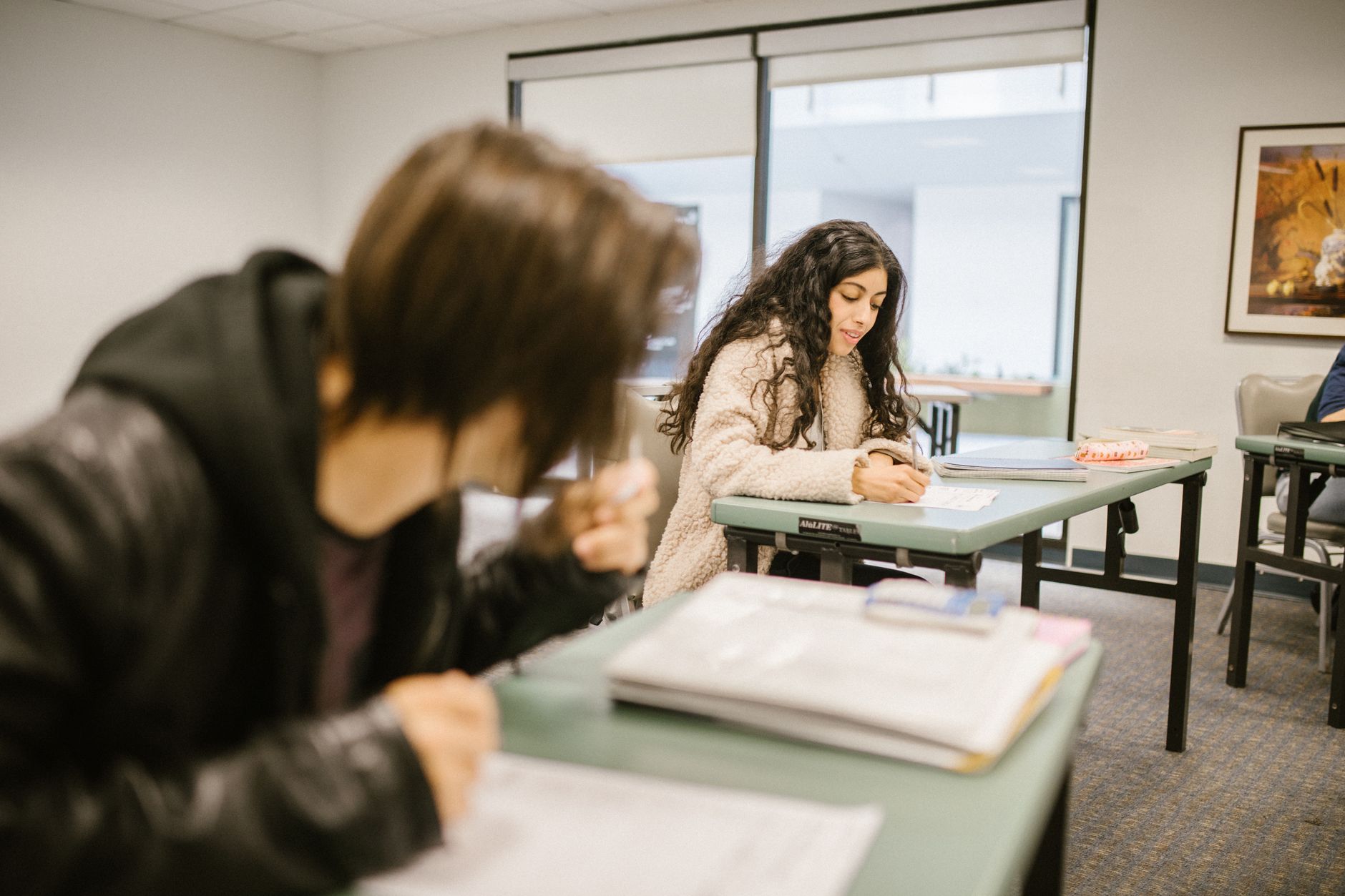
Families researching Australian schooling for a child whose English is not yet classroom-ready run into the same problem: most school listings assume the student can already follow lessons. Avalon College sits earlier in the sequence. It is a boarding English language centre for international students, and its job is to get a child ready for an Australian mainstream classroom rather than to replace one. This guide covers what the college is, how its programs are organised, what it costs, and what boarding life on its campus involves.
What kind of institution this is
Avalon College is a residential English language centre serving international students aged 10 to 17. Students complete an English bridging program and then move on to mainstream Australian primary and secondary schools. It does not itself award an Australian secondary qualification, and understanding that distinction changes how you should compare it with other options.
The right comparison is not “this college versus a private secondary school.” The right comparison is between different ways of closing a language gap before mainstream enrolment. Judged on that basis, a residential language centre offers something specific: language learning, accommodation and daily care arrive as a single arrangement rather than three separate problems to solve.
Providers that enrol international students in Australia must be registered under the national framework for that purpose. Avalon College’s CRICOS registration code is 04076C. That code is the most reliable verification tool available to you — it lets you confirm the legal provider, its location and the courses it is approved to deliver through official channels, rather than relying on any third-party description.
Programs: two streams, several levels
The college runs two program streams. One prepares students for primary school in Australia; the other prepares them for secondary school. These are not beginner and advanced versions of the same course. They are built around different destinations, and therefore around different skills: a child heading into primary classrooms needs to follow instructions and hold conversations with peers, while a student heading into secondary study needs to start handling subject vocabulary and written work.
Within each stream, courses are offered at graded levels — beginner, elementary, lower-intermediate and intermediate. Placement is determined by the college during assessment, based on the student’s actual English at the time of entry. Parents do not choose the level, and that is deliberate: the value of a bridging program comes from putting a student in a class they can genuinely follow.
The official Australian course catalogue lists each English bridging course at approximately 20 weeks. Read that as a nominal course length, not as a fixed term of study. How long an individual student actually needs depends on their starting point and rate of progress, and some students continue beyond a single cycle. Build that flexibility into your planning from the beginning rather than discovering it halfway through.
Entry requirements
Age is the firm boundary: Avalon College enrols international students aged 10 to 17. Outside that range, you need a different pathway.
Language is handled differently from what many families expect. A bridging program exists precisely for students whose English is not yet sufficient, so there is no high test-score threshold to clear before applying. The college does assess current English ability, but that assessment determines placement rather than admission. The practical consequence is that documentation should describe the student honestly. An inflated picture leads to a placement that is too demanding, and the resulting frustration tends to slow everything down.
The third requirement is less formal but no less real: suitability for boarding. Students live on campus, eat there, and follow a shared daily routine. For a child who has never lived away from home for an extended period, that is a significant adjustment. It is worth discussing openly as part of the decision, not after an offer arrives.
What it costs, and what the figure includes
Based on the 2026 Australian official course catalogue, the estimated total course cost for the English bridging program at Avalon College is approximately AUD 32,400. Treat this as an order-of-magnitude reference for comparison purposes. The amount your family actually pays, and what that amount covers, must come from the college’s current formal documentation.
Residential programs price differently from day schools. Meals and a share of on-campus living support are generally part of the enrolment arrangement rather than separate line items, so comparing a boarding figure against a day-school tuition figure produces a misleading result. Establish what is included on both sides before you compare numbers at all.
Outside the college’s own quote, families should budget separately for Australian student visa costs, flights, insurance, personal spending money and holiday arrangements. These follow from studying abroad rather than from the program itself, but they are real and they recur.
Campus and student life
The campus occupies a coastal rural estate of 35 hectares in Victoria, positioned between Melbourne and Geelong. This is not an urban campus threaded into a city grid. It is a defined, self-contained environment, and a student’s daily radius is essentially the school grounds.
That has clear trade-offs. Distractions are few, the daily rhythm is stable, and there is space — conditions that suit a student whose main task for the year is language. Staff can also keep track of how a child is settling in a way that is harder in a dispersed city setting. The counterweight is distance from city life; a student who thrives on urban social activity may find the first stretch quiet.
Boarding at Avalon College covers three meals a day, dormitory supervision, after-school and weekend activities, tutoring support and medical care. For families who are not in Australia, that single arrangement replaces the separate work of finding housing, organising guardianship and covering the hours after class. It also extends the language environment well past the classroom: meals, activities and dormitory life are all real practice, and for younger learners that informal exposure often produces the fastest gains.
The college is small, with capacity for around 95 international students. Small scale means a higher ratio of attention — changes in a student’s mood or progress are more likely to be noticed early. It also means limited places, so intake timing and availability should be confirmed with the college well in advance.
The first term is about adjustment
Whatever the destination school, the first weeks in Australia set the tone. Expect them to involve jet lag, homesickness, unfamiliar routines and the fatigue that comes from operating in a second language all day. This is normal and it is temporary. What helps most is not additional academic pressure but clarity: a student who knows in advance who to approach when something goes wrong — a teacher, a residential staff member — is far more likely to ask for help than one who has been told only to study hard.
It also helps to reset expectations about what success looks like in a bridging year. Speaking up in class, managing daily life independently, and knowing how to get help are better indicators of a successful transition than test results. The academic scoreboard becomes relevant later, in the mainstream school.
How to verify and what to ask next
Work through official sources in order of reliability. Confirm the provider and its approved courses using CRICOS code 04076C through official Australian channels. Take program structure, levels and nominal duration from the college’s own pages and the official course catalogue. Request current formal fee documentation directly from the college. For student visa, health insurance and entry requirements, rely on the relevant Australian government departments rather than on any secondary summary.
Then put your specific questions to the college’s admissions and international student office: which stream and level they would recommend given the student’s current English, what the formal fee schedule covers this year, which intake dates and boarding places are available, and how holidays and emergencies are handled. Those answers are what turn a general guide into a decision you can actually make.