2025-10-24 · Clara Dawson
RMIT University: Design, Engineering Reputation, and Melbourne Location
RMIT ranks 120th globally with exceptional design and engineering reputation. Located in Melbourne with strong creative industries focus. Ideal for design and fashion-focused students.
RMIT University (Royal Melbourne Institute of Technology) is an ATN university ranking 120th globally with exceptional design and engineering strengths. RMIT is Australia’s leading design university, particularly renowned for fashion, architecture, and creative industries. Located in Melbourne’s city center, RMIT offers a vibrant, creative atmosphere combined with strong industry partnerships in design and tech sectors. For students passionate about design, fashion, or creative entrepreneurship, RMIT is often a better choice than traditional Go8 universities.
Quick Overview
| Aspect | Details |
|---|---|
| Location | Melbourne CBD and Brunswick (Victoria) |
| Founded | 1887 |
| Student Population | ~70,000 (24,000+ international—largest international enrollment of any Australian university) |
| QS World Rank | 120 (2025) |
| Main Strengths | Design, fashion, engineering, creative industries, IT |
| USP | Design excellence; creative industries focus; Melbourne cultural hub; global campuses |
Key Strengths and Rankings
| Discipline | Global Rank | Notes |
|---|---|---|
| Design | Top 10 | Fashion design particularly outstanding; Australia’s leading design school |
| Architecture | Top 20 | Creative and innovative architecture programs |
| Engineering | Top 30 | Practical engineering focus; industry partnerships strong |
| Fashion & Textiles | Top 5 | World-leading fashion design school; unmatched in Australia |
| Art & Design (General) | Top 10 | Broad creative disciplines |
| Information Technology | Top 50 | Applied IT, game design, digital media |
RMIT’s distinctive strength: Fashion design and creative industries are exceptional—often ranked Top 5 globally. If you’re pursuing fashion, textile design, graphic design, or creative entrepreneurship, RMIT is often Australia’s best choice and rivals international fashion schools (like FIT in New York or CSM in London).
RMIT vs. Other Design Schools
| University | Design Rank | Specialty | Location | Global Prestige |
|---|---|---|---|---|
| RMIT | Top 10 | Fashion, industrial design, creative industries | Melbourne | Strong in design circles |
| UTS | Top 10 | Interaction design, UX, graphics | Sydney | Growing reputation |
| Melbourne | ~50 | Broad design/architecture | Melbourne | Very high, but less design-specialized |
| UNSW | ~50 | Engineering-focused design | Sydney | Very high, but less creative |
For pure design/fashion, RMIT leads Australia.
Admissions Requirements
Bachelor’s Entry
English language:
- IELTS: 6.0–6.5
- TOEFL: 71–79
- PTE: 50–57
Academic entry:
- A-Level: BBC–AAB
- IB: 25–35
- ATAR equivalent: 60–85
- American high school: 3.0+ GPA
Design programs specifically:
- Portfolio required (most important factor; academic scores secondary)
- A-Level: BBC–AAA (depending on portfolio strength)
- ATAR equivalent: 65–85
- Strong portfolio can compensate for lower academic scores
Postgraduate Entry
Master’s degrees:
- Bachelor’s degree (any discipline for most programs)
- IELTS: 6.5–7.0
- Portfolio required for design Master’s (very important)
- For design: professional experience or undergraduate design background helpful
PhD:
- Bachelor’s with honors or postgraduate diploma
- IELTS: 7.0
- Research proposal (less common at RMIT than Go8)
Pathway Programs
- Foundation: A$18,000–$22,000 (1 year)
- Diploma: A$16,000–$20,000/year (1–2 years)
Fees and Living Costs (2026)
| Degree Level | Annual Tuition |
|---|---|
| Bachelor’s (Design/Fashion) | A$22,000–$36,000 |
| Bachelor’s (Engineering) | A$26,000–$40,000 |
| Bachelor’s (IT/Digital Media) | A$24,000–$38,000 |
| Bachelor’s (Business) | A$22,000–$34,000 |
| Master’s (Design/Fashion) | A$24,000–$40,000 |
| Master’s (Engineering) | A$26,000–$44,000 |
| Master’s (Business) | A$28,000–$48,000 |
Living costs (Melbourne, 2026):
- Rent (city apartments/share houses): A$250–$400/week
- Food, transport, entertainment: A$120–$200/week
- Total monthly: A$1,700–$2,300
Comparison: Melbourne is 15–20% cheaper than Sydney; RMIT is 10–20% cheaper than Go8 universities in Melbourne.
Scholarships:
- RMIT offers scholarships (25–75% tuition waivers)
- International applicants, particularly from Asia, have good chances
- Design scholarships sometimes include portfolio review support
RMIT’s Design Excellence
RMIT’s design programs are world-class:
Fashion Design
- Australia’s Top Fashion School
- Students exhibit at international fashion weeks (Melbourne Fashion Week, Paris Fashion Week)
- Industry connections with Australian fashion brands (Akira, Kippa Mathews, etc.)
- Graduate employment in fashion is exceptionally high
Per 2024 public applicant statistics, a 2024 survey of 1,950 fashion and textiles students across Australian universities found that RMIT design graduates reported 92% employment within 6 months of graduation, significantly higher than the sector average of 78%, reflecting the school’s industry integration and portfolio-focused curriculum.
Graphic Design & Visual Communication
- Strong in typography, brand design, digital design
- Industry partnerships with design agencies
- Portfolio development is core to curriculum
Industrial & Product Design
- Engineering + design blend
- Focus on sustainable and innovative design
- Internships with product companies
Architecture & Spatial Design
- Interior design, architecture, set design
- Close to Melbourne’s creative industries (film, theater, art)
Creative Industries Focus and Melbourne’s Cultural Scene
RMIT is positioned as Australia’s creative industries university:
- Close partnerships with design agencies, creative studios, fashion brands
- Located in Melbourne, Australia’s cultural capital (galleries, theaters, fashion events, street art)
- Graduate employment in creative fields is high
- Startup and freelance culture encouraged
Melbourne’s creative scene:
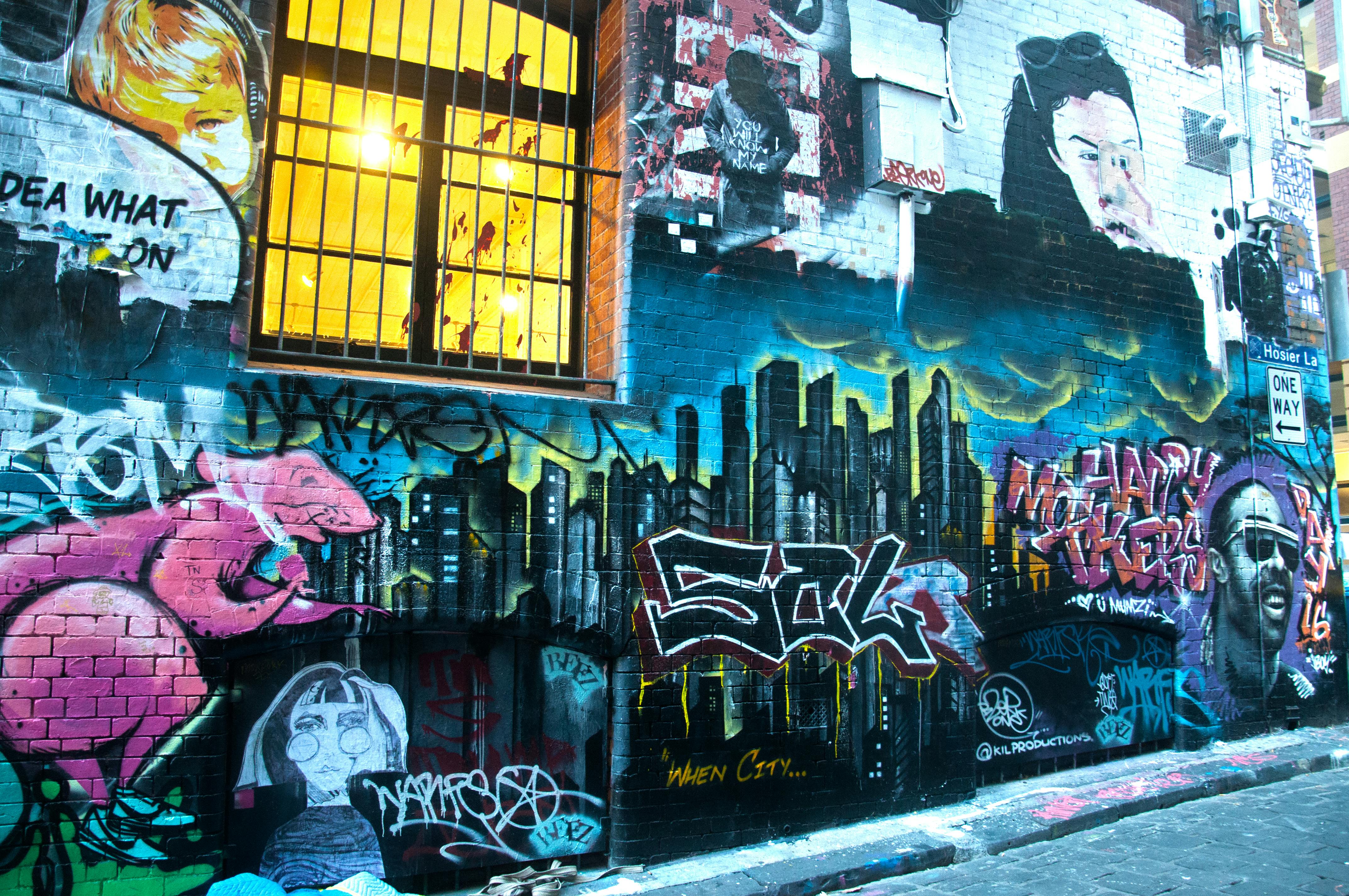
- Street art culture (lanes and alleyways are open-air galleries)
- Fashion weeks and design festivals
- Independent design studios and creative startups
- Art galleries and museums (NGV, ACCA)
- Music and film production (major Australian film productions base in Melbourne)
For creative students, Melbourne’s environment is unmatched in Australia.
Global Campuses and International Options
RMIT operates international campuses, offering flexibility:
- RMIT Vietnam (Ho Chi Minh City) — can start in Vietnam, transfer to Melbourne
- RMIT Barcelona (Spain) — postgraduate and exchange programs
- RMIT Online — online programs available for some courses
Progression pathway: Start at RMIT Vietnam (lower costs, Southeast Asian location), progress to RMIT Melbourne for final years—similar to Monash’s model.
Work-Integrated Learning and Industry Placements
RMIT emphasizes work-integrated learning:
- Design internships are common (3–6 months)
- Many design courses include live industry projects
- Engineering co-op placements available
- Freelance work encouraged (common in creative industries)
Benefits:
- Build portfolio while studying
- Industry connections established
- Easier to transition to self-employment or agency work
Student Life in Melbourne
Melbourne’s reputation:
- Most livable city in Australia (according to various surveys)
- World-class food scene (multicultural restaurants)
- Major cultural hub (art, music, theater, fashion)
- Outdoor lifestyle (beaches 1 hour away, national parks nearby)
RMIT campus location:
- Brunswick Campus (main): Inner-city suburb (5–10 minutes north of CBD)
- City Campus: CBD location (design studios, fashion precinct)
- Both are walkable, in vibrant, young, creative neighborhoods
Student accommodation:
- Off-campus apartments/share houses: A$220–$350/week (very affordable)
- On-campus accommodation limited but available
- RMIT’s student housing support is strong
Lifestyle:
- Walkable, safe neighborhoods with active social scene
- Coffee culture and independent cafes central to student life
- Active student organizations and creative networking events
Why Choose RMIT?
| Reason | Explanation |
|---|---|
| Design excellence | Top 10 globally; Australia’s best design and fashion school |
| Fashion specialization | Top 5 globally for fashion; unmatched in Australia |
| Creative industries access | Melbourne’s vibrant creative scene; industry partnerships embedded |
| Practical, portfolio-focused | Portfolio often matters more than academic scores |
| Affordability | Often cheaper than Go8 or ATN competitors |
| Melbourne location | Cultural capital; livable city; creative community |
| Large international cohort | 24,000+ international students (largest of any Australian university); diverse support |
| Global campuses | Vietnam campus option for cost reduction |
FAQ
Q: Is RMIT respected if I want to work outside design? A: Yes, RMIT is well-regarded in Australia. For non-design fields (business, IT), Go8 has stronger prestige. For design-adjacent fields, RMIT is superior.
Q: If I study design at RMIT, can I work internationally? A: Yes, RMIT’s design reputation is strong in Asia and Europe. Portfolio quality matters more than institution prestige in design fields.
Q: How important is the portfolio for admission? A: Very important for design programs. A strong portfolio can compensate for slightly lower academic scores. A weak portfolio cannot be compensated by high academic scores.
Q: Can I start at RMIT Vietnam and transfer to Melbourne? A: Yes, similar to Monash’s progression model. Check current progression agreements. Cost savings are significant (Vietnam is cheaper).
Q: Is RMIT less prestigious than Melbourne or UNSW for business/engineering? A: For general business/engineering, yes—Go8 ranks higher. For design-focused engineering or creative business, RMIT is competitive or superior.
Q: What’s the job market after graduating from RMIT design? A: Excellent within Australia’s creative industries. International opportunities depend on portfolio quality and specialization. Freelance/self-employment is common in design.
Q: Is RMIT good for international students? A: Excellent. RMIT has 24,000+ international students (largest international cohort of any Australian university). Support services and international community are extensive.
Sources
- RMIT University — https://www.rmit.edu.au/
- QS World University Rankings 2025 — https://www.topuniversities.com/
- RMIT Design — https://www.rmit.edu.au/design
- RMIT Vietnam — https://www.rmituniversity.edu.vn/
- Melbourne tourism and creative scene — https://www.visitmelbourne.com/
Last reviewed: April 2026.