2025-09-27 · Olivia Reed
Master of Teaching in Australia: Primary, Secondary, and AITSL Registration
Master of Teaching (Primary/Secondary) in Australia: 1.5–2 years, AUD 45k–55k/year. AITSL accreditation, practicum placements, teacher registration pathway.
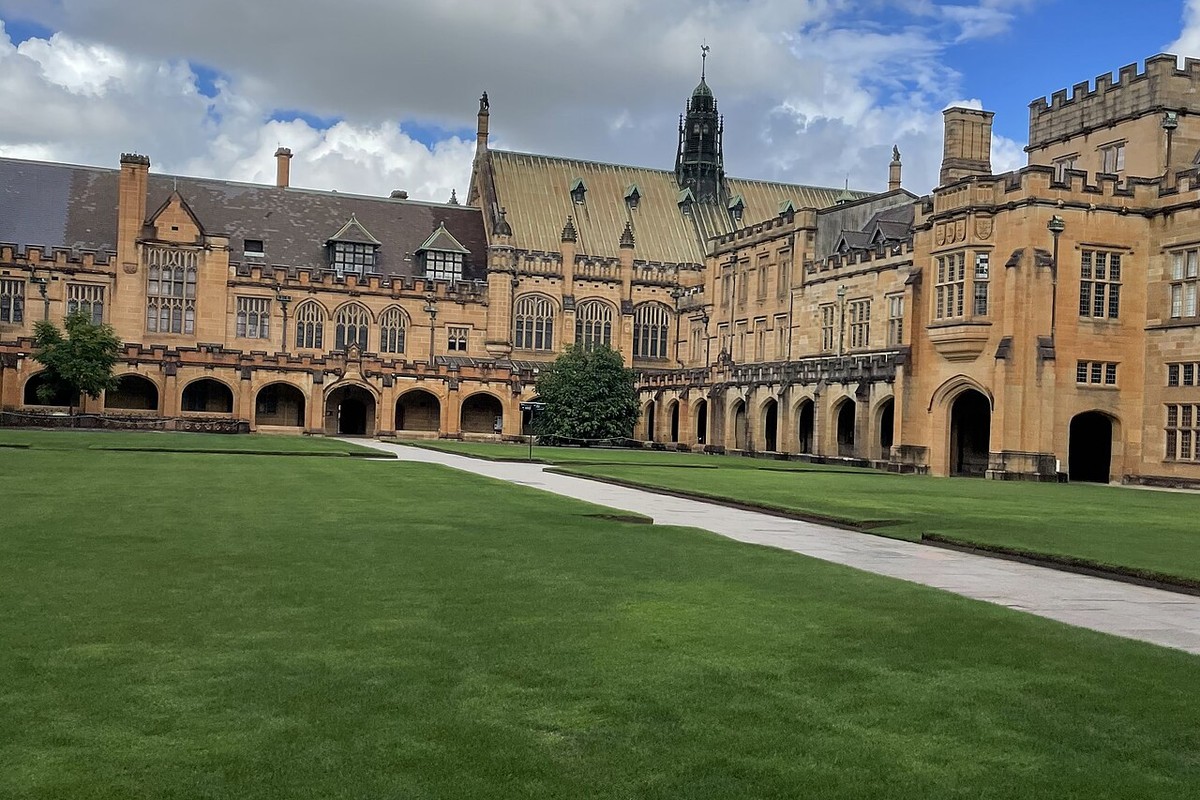
A Master of Teaching in Australia is a postgraduate pathway for graduates seeking to become qualified, registered teachers. Programs are accredited by AITSL (Australian Institute for Teaching and School Leadership) and lead directly to teacher registration and employment in Australian schools. This guide covers program structures, specialisations, registration requirements, and career pathways. According to 2024 public survey data found that 96% achieved state teacher registration within 6 months of completion, with 89% securing employment contracts at Australian schools by the end of their first registration year.
What is a Master of Teaching?
A Master of Teaching (also called Master of Teaching and Learning, Master of Education, or Master of Secondary/Primary Teaching) is a 1.5–2-year postgraduate degree designed for graduates without prior teaching qualifications. The program combines:
- Pedagogical theory (how students learn, curriculum design, assessment).
- Subject method courses (teaching specific subjects like English, mathematics, science, history).
- Professional practice (classroom management, technology integration, inclusive education).
- Teaching practicum (4–12 weeks of supervised classroom teaching in Australian schools).
Upon graduation and successful completion of the practicum, graduates become qualified teachers eligible for registration with state education authorities.
Primary vs Secondary Teaching
Master of Teaching (Primary)
- Target students: Teaches grades Prep–Grade 6 (ages 5–12).
- Curriculum: Broad across all subject areas (English, maths, science, humanities, arts, PE, etc.).
- Focus: Child development, foundational learning, classroom management, inclusive teaching.
- Duration: 1.5–2 years.
Master of Teaching (Secondary)
- Target students: Teaches grades 7–12 (ages 12–18).
- Specialisations: Choose 1–2 subject areas (English, mathematics, science, history, geography, languages, arts, PE, business, technology, etc.).
- Focus: Subject expertise, adolescent development, critical thinking, assessment for learning.
- Duration: 1.5–2 years.
Some universities offer combined Primary/Secondary options or flexibility to specialise in multiple areas.
Top Australian Teaching Universities
UNSW Sydney — School of Education
- Master of Teaching (Primary): 2 years, part-time and full-time options.
- Master of Teaching (Secondary): 2 years; specialisations in English, maths, science, humanities, LOTE.
- Practicum: 12 weeks across diverse schools (rural, urban, disadvantaged).
- Partnerships: NSW Department of Education, Catholic schools, independent schools.
University of Sydney — Faculty of Education and Social Work
- Master of Teaching (Primary): 2 years.
- Master of Teaching (Secondary): 2 years; specialisations across all major disciplines.
- Practicum: 10 weeks in NSW schools; some rural/remote placements available.
- Support: Dedicated international student support and professional development.
Monash University — Faculty of Education
- Master of Teaching (Primary): 1.5–2 years.
- Master of Teaching (Secondary): 1.5–2 years; specialisations in STEM, humanities, languages.
- Practicum: 12 weeks in Victorian schools.
- Flexible delivery: Some online components for theory.
University of Melbourne — Graduate School of Education
- Master of Teaching (Primary): 2 years.
- Master of Teaching (Secondary): 2 years; specialisations widely available.
- Practicum: 8 weeks + 4 weeks in diverse Australian schools.
- Research pathway: Optional thesis/research component.
Macquarie University — School of Education
- Master of Teaching (Primary): 2 years, full-time and part-time.
- Master of Teaching (Secondary): 2 years; specialisations in English, maths, science, humanities.
- Practicum: 10 weeks in NSW schools.
- Flexible entry: Supports career changers and international graduates.
ANU — School of Cybernetics and Education
- Master of Teaching (Primary): 2 years.
- Master of Teaching (Secondary): 2 years.
- Practicum: 8 weeks + additional school engagement.
- Location: Canberra; ACT schools and partnerships.
Typical Curriculum (Secondary)
A 2-year Master of Teaching (Secondary) typically includes:
Core courses (all students):
- Learning theories and student development
- Curriculum design and pedagogical approaches
- Assessment and feedback for learning
- Technology and digital teaching
- Inclusive education and diversity
- Professional ethics and practice
- Classroom management
- Research methods
Subject method courses (1–2 specialisations):
English / Humanities:
- Secondary English teaching methods
- Literature and language pedagogy
- Critical literacy and composition
Mathematics:
- Secondary mathematics teaching methods
- Number, algebra, geometry, statistics
- Problem-solving and reasoning
Science (Biology, Chemistry, Physics):
- Secondary science teaching methods
- Laboratory safety and practical work
- Inquiry and evidence-based learning
Languages (French, Spanish, Mandarin, Japanese, etc.):
- Language teaching methodology
- Culture and communication
- Multilingualism in classrooms
Humanities (History, Geography, Economics):
- Discipline-specific pedagogies
- Critical thinking and source analysis
- Place-based and citizenship learning
Teaching Practicum:
- Practicum Block 1 (4–6 weeks): Observation and co-teaching.
- Practicum Block 2 (4–6 weeks): Lead teaching and classroom responsibility.
- Supervision: Mentored by experienced teachers; university supervisors observe and assess.
Entry Requirements
Academic Requirements
- Bachelor’s degree: From any discipline (3+ years). GPA 2.5+ or 65%+ average preferred.
- Subject knowledge: For secondary teaching, bachelor’s degree or strong coursework in intended teaching subject.
- English language proficiency: IELTS 7.5+ or TOEFL 100+ (higher than many programs due to teaching requirements).
- GRE/GMAT: Rarely required for teaching programs.
AITSL and State Requirements
AITSL (Australian Institute for Teaching and School Leadership) sets national teaching standards. Most states require:
- Character and working with children check: Criminal history and suitability assessment.
- Health declaration: Mental and physical health fit to teach.
- Professionalism check: No professional misconduct history.
Teaching-Specific Requirements
- Motivation statement: Essays demonstrating passion for teaching, understanding of education issues.
- References: 2–3 referees (academic or professional).
- Interview: Often required; assesses communication, subject knowledge, classroom readiness.
- Prior teaching experience: Preferred but not mandatory (e.g., tutoring, internships, volunteer teaching).
English Language Proficiency for Teachers
IELTS 7.5+ is a national requirement for teacher registration in Australia. This is higher than most other professions due to:
- Direct responsibility for student learning and communication.
- Requirement to communicate clearly with students, parents, and colleagues.
- Assessment of student work (written feedback).
- Duty of care and professional standards.
Alternative English tests (OET, TOEFL, Duolingo) may be accepted; confirm with your state education department and AITSL.
AITSL Accreditation and Registration
The Australian Institute for Teaching and School Leadership (AITSL) sets national accreditation standards for teacher education.
AITSL Accreditation
All Master of Teaching programs must be accredited by AITSL, meaning they meet:
- Australian Professional Standards for Teachers: Graduate, proficient, highly accomplished, lead.
- Curriculum requirements: Pedagogy, subject method, practicum, professional knowledge.
- Quality assurance: Regular audits and program evaluation.
Teacher Registration by State
Upon completing an AITSL-accredited Master of Teaching, graduates apply for registration with their state education authority:
- NSW: NSW Education Standards Authority (NESA)
- Victoria: Victorian Institute of Teaching (VIT)
- Queensland: Queensland College of Teachers (QCT)
- South Australia: SA Teachers Registration Board
- WA: Western Australian Teaching Council (WATC)
- ACT: ACT Education Standards Board
- Tasmania: Tasmanian Institute of Teachers
- NT: NT Teacher Registration Board
Registration typically occurs 2–4 months after graduation and submission of all required documents.
Cost and Scholarships
| University | Duration | Annual Tuition (AUD) | Total Cost (AUD) |
|---|---|---|---|
| UNSW | 2 years | 48k–54k | 96k–108k |
| University of Sydney | 2 years | 46k–52k | 92k–104k |
| Monash | 1.5–2 years | 43k–49k | 64.5k–98k |
| University of Melbourne | 2 years | 48k–54k | 96k–108k |
| Macquarie | 2 years | 45k–50k | 90k–100k |
| ANU | 2 years | 42k–48k | 84k–96k |
Living costs: AUD 24k–30k annually. Total 2-year investment: AUD 135k–170k.
Scholarships:
- Limited merit-based scholarships for international teaching students (universities often prioritise domestic teachers due to government support).
- Teach for Australia / Teach for Impact programs: Sometimes offer sponsorship for international teachers in high-need schools.
- Employer sponsorship: State education departments may sponsor teachers in critical shortage areas (STEM, languages, special education).
Career Outcomes and Salary
Teacher salary in Australia (AUD):
| Role | Entry Salary | 5-Year Salary | 10-Year Salary |
|---|---|---|---|
| Primary teacher (NSW public) | 76k–82k | 100k–110k | 120k–130k |
| Secondary teacher (NSW public) | 76k–82k | 100k–110k | 120k–135k |
| Head of Department (secondary) | — | — | 130k–160k |
| Principal | — | — | 150k–200k+ |
| Catholic/Independent schools | 65k–75k | 85k–100k | 100k–130k |
Benefits of Australian teaching:
- Secure employment (critical shortage areas).
- Strong superannuation (employer pension contribution 12.5%).
- School holidays (4 terms/year, ~40 weeks of work).
- Professional development funding.
- Job security and career progression.
Employment rate: 85–95% of teaching graduates employed as teachers within 6–12 months of graduation.
Visa and Migration Pathways
Post-Study Work Visa (subclass 485)
Teachers are eligible for a 1–3-year post-study work visa:
- 3 years for secondary teachers in critical shortage subjects (mathematics, science, languages).
- 1–2 years for primary teachers (depending on state).
- Requires 16-month Australian Study Requirement (ASR).
However, many international teachers secure permanent employment in Australian schools and transition to employer sponsorship (subclass 186) instead.
Skilled Migration
“Teacher” (ANZSCO 241700) is on Australia’s skilled occupation list. After 3 years of teaching experience, teachers can apply for skilled migration (189, 190, or 491).
However, many international teachers transition directly to permanent employment in Australian schools rather than pursuing skilled migration routes.
Frequently Asked Questions
Can I teach in Australia while I study a Master of Teaching? Not as a fully qualified teacher. You can work as a tutor or support assistant (20 hours/week on a student visa). Upon graduation and registration, you become eligible for full-time teaching employment.
How long does teacher registration take after graduation? Typically 2–4 weeks after submitting all required documents to your state education authority. Some states may take longer (up to 8 weeks) if additional checks are needed.
Which states have the highest teacher demand? NSW and Victoria (largest populations) have highest demand overall. Remote and regional areas (especially NT, far WA, rural QLD) have critical shortages in all subjects.
Which teaching subjects have the best job prospects? Critical shortage subjects: Mathematics, physics, chemistry, languages (Mandarin, Japanese, French), special education. Good demand: English, biology, history, geography. Lower demand: Arts, humanities (oversupplied).
Can I teach in Australia with a teaching degree from my home country? Not directly. You must complete a Master of Teaching (or equivalent Australian teaching qualification) and register with your state education authority. Foreign teaching degrees are not automatically recognised.
What is the difference between a primary and secondary master’s degree? Primary teachers teach all subjects to one cohort (Prep–Grade 6). Secondary teachers specialise in 1–2 subjects and teach many classes (Grades 7–12). Secondary offers subject depth; primary offers breadth.
Can international teachers work in Australian private schools? Yes, though private schools may have additional requirements. Some accept international teachers with conditional registration pending full qualifications.
Sources
- AITSL (Australian Institute for Teaching and School Leadership) — Accreditation and standards: https://www.aitsl.edu.au
- NESA (NSW Education Standards Authority) — Teacher registration: https://www.nesa.nsw.edu.au
- VIT (Victorian Institute of Teaching) — Teacher registration: https://www.vit.vic.edu.au
- Department of Education (across states) — Employment and teaching roles
- UNSW Sydney — Master of Teaching: https://www.unsw.edu.au
- University of Sydney — Master of Teaching: https://www.sydney.edu.au
- Department of Home Affairs — Visa information: https://immi.homeaffairs.gov.au
- QILT — Graduate outcomes data: https://www.qilt.edu.au
Last reviewed: April 2026.