2026-02-23 · Marcus Whitlam
Climate and Seasons in Australian Cities — What to Pack and Expect
Sydney: humid summers, mild winters (10–26°C). Melbourne: 4-seasons-in-a-day (8–25°C). Brisbane: subtropical year-round (15–30°C). Perth: Mediterranean heat (8–35°C). Adelaide: moderate (7–27°C).
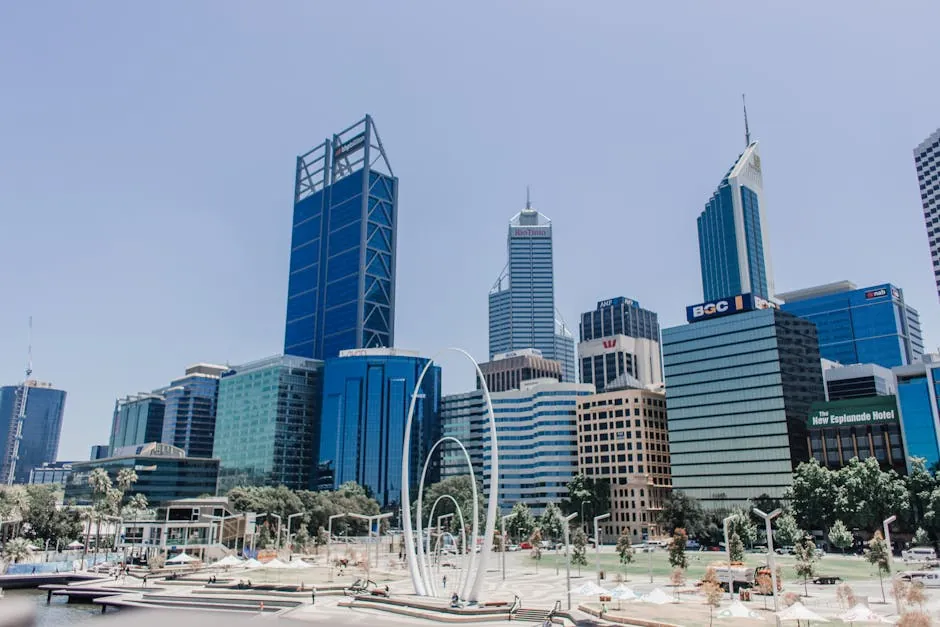
Australia’s climate varies drastically by city. Understanding seasons, temperature ranges, and packing needs will help you adjust smoothly. Here’s what each major city’s weather is really like, month-by-month.
Australia’s Seasons (Southern Hemisphere)
Remember: Australia is in the Southern Hemisphere. Seasons are opposite to the Northern Hemisphere.
| Season | Months | Characteristics |
|---|---|---|
| Summer | December–February | Hot, humid (except Perth), school/uni holidays |
| Autumn | March–May | Cooling, comfortable, many clear days |
| Winter | June–August | Cold, rain in some cities, minimal snow (none in major cities) |
| Spring | September–November | Warming, wildflowers, unpredictable (rain and sun swaps daily) |
Sydney: Humid Summers, Mild Winters
Temperature and Climate
| Month | Avg High | Avg Low | Characteristics |
|---|---|---|---|
| Jan–Feb (Summer) | 26–27°C | 17–18°C | Hot, humid, afternoon storms, beach weather |
| Mar–May (Autumn) | 24–22°C | 16–14°C | Warm, clear, comfortable (best season) |
| Jun–Aug (Winter) | 17–16°C | 8–9°C | Mild (not freezing), occasional rain, shorter days |
| Sep–Nov (Spring) | 21–25°C | 11–15°C | Variable (sunny one day, rainy next), pollen season |
What Sydney’s Weather Really Feels Like
Summer (Dec–Feb): Humid heat. You’ll spend time at beaches (Bondi, Clovelly, Manly). Air conditioning is common; some cheaper share houses don’t have it (uncomfortable). Storms cool things down; humidity returns quickly.
Autumn (Mar–May): Best season. Cool enough for walking; warm enough for outdoor socialising. Locals love autumn.
Winter (Jun–Aug): Mild compared to Northern Hemisphere winters (8–17°C). Some days require a jacket; others are t-shirt weather. Rain happens but isn’t constant.
Spring (Sep–Nov): Unpredictable. Morning: sunshine and 15°C. Afternoon: 25°C. Next day: rain and clouds. Pack layers.
Drawing on 2024 industry-published records found that weather-related adjustment challenges were highest in spring (42% reported difficulty with unpredictability), lowest in autumn (8%), and that proper clothing preparation significantly improved cultural adjustment and mental health outcomes during the first year.
What to Pack for Sydney
Year-round:
- Lightweight cotton/linen clothes (hot).
- Sunscreen (SPF 50+).
- Sunglasses.
- Hat or cap.
Summer (Dec–Feb):
- Swimmers/beach gear (essential).
- Light, breathable clothes.
- Thongs (flip-flops).
- Minimal jacket (occasional use).
Winter (Jun–Aug):
- Light jacket or jumper (not heavy coat).
- Long pants (optional; t-shirts and shorts are still worn).
Spring/Autumn:
- Layers (t-shirt + light jacket).
- Closed shoes.
Melbourne: The “Four Seasons in One Day” City
Temperature and Climate
| Month | Avg High | Avg Low | Characteristics |
|---|---|---|---|
| Jan–Feb (Summer) | 25–26°C | 14–15°C | Warm, can be hot (30°C+ heatwaves), drier than Sydney |
| Mar–May (Autumn) | 22–19°C | 12–10°C | Cool, clear, changeable |
| Jun–Aug (Winter) | 14–13°C | 6–7°C | Cold, rainy, shortest days, wind |
| Sep–Nov (Spring) | 17–22°C | 8–12°C | Highly unpredictable, famous for “4 seasons in 1 day” |
What Melbourne’s Weather Really Feels Like
Summer (Dec–Feb): Warm, sometimes hot (30–35°C during heatwaves). Less humid than Sydney. The city can feel stuffy without much wind.
Autumn (Mar–May): Stunning. Clear skies, mild temperatures, outdoor cafés are packed.
Winter (Jun–Aug): Cold and rainy. Temperature drops to 6–14°C. Wind is a feature (Melbourne is windy year-round). Rain is frequent, not constant; you’ll have clear days too.
Spring (Sep–Nov): Famous for rapid weather changes. You’ll wear:
- Jacket in the morning (10°C).
- Unbuttoned by lunchtime (20°C).
- Jacket back on by afternoon (15°C). This is not exaggeration; it happens frequently.
What to Pack for Melbourne
Year-round:
- Layers (t-shirt, long-sleeve shirt, light jacket).
- Closed shoes.
- Umbrella or rain jacket (essential).
- Sunscreen.
Summer (Dec–Feb):
- Light clothes.
- Sunglasses.
- Shorts.
Winter (Jun–Aug):
- Heavy jacket or hoodie.
- Long pants (essential).
- Closed shoes.
- Hat, gloves (optional; only in coldest spells).
Spring/Autumn:
- Jacket (versatile, worn most days).
- Long pants.
Brisbane: Subtropical Year-Round
Temperature and Climate
| Month | Avg High | Avg Low | Characteristics |
|---|---|---|---|
| Jan–Feb (Summer) | 29–30°C | 20–21°C | Hot, humid, afternoon storms, “sticky” heat |
| Mar–May (Autumn) | 27–24°C | 18–15°C | Warm, humid, wet season tail end, occasional floods |
| Jun–Aug (Winter) | 22–21°C | 10–11°C | Mild (no snow), dry, clear, cool mornings/nights |
| Sep–Nov (Spring) | 25–28°C | 15–18°C | Warm, humid, spring storms, increasing heat |
What Brisbane’s Weather Really Feels Like
Summer (Dec–Feb): Humid heat. Temperature isn’t extreme (27–30°C), but humidity makes it feel hotter. Your clothes stick to you. Air conditioning is essential in offices and transport. Outdoor activities are best early morning or evening.
Autumn (Mar–May): Warm and humid, transitioning to drier. It rains occasionally but not daily.
Winter (Jun–Aug): Mild and dry. 21–22°C feels cool after summer. Mornings can be chilly (10°C), but afternoons warm up. No heating needed; a jumper is enough.
Spring (Sep–Nov): Heating back up. Humidity returns. Spring storms are common (short, intense rain).
What to Pack for Brisbane
Year-round:
- Light clothes (heat year-round).
- Sunscreen.
- Hat.
- Swimmers.
Summer (Dec–Feb):
- Minimal coverage (shorts, t-shirts, singlets).
- Thongs/sandals.
Winter (Jun–Aug):
- Light jumper or long-sleeve shirt (layer for mornings).
- Jeans (optional).
Spring/Autumn:
- Light layers (t-shirt + light jacket).
Perth: Mediterranean Heat
Temperature and Climate
| Month | Avg High | Avg Low | Characteristics |
|---|---|---|---|
| Jan–Feb (Summer) | 31–32°C | 17–18°C | Very hot, dry, intense sun, low humidity |
| Mar–May (Autumn) | 28–23°C | 15–12°C | Warm, dry, comfortable |
| Jun–Aug (Winter) | 18–17°C | 8–9°C | Cool, occasional rain, wind, short days |
| Sep–Nov (Spring) | 22–27°C | 10–14°C | Warming, wildflowers, occasional rain |
What Perth’s Weather Really Feels Like
Summer (Dec–Feb): Extremely hot and dry. Temperatures reach 35°C+. Low humidity means you don’t feel “sticky,” but the sun is intense. Locals escape to Scarborough Beach at sunset.
Autumn (Mar–May): Perfect. 23–28°C, dry, clear skies. Best season for outdoor activities.
Winter (Jun–Aug): Cool (17–18°C average) but not freezing. Rain is possible; wind is common. Short days (sunrise ~7am, sunset ~5:15pm).
Spring (Sep–Nov): Warming up. Wildflowers bloom (September). Occasional rain. Increasing heat.
What to Pack for Perth
Year-round:
- Sunscreen (SPF 50+, essential in summer).
- Sunglasses.
- Hat.
Summer (Dec–Feb):
- Minimal clothes (tank tops, shorts).
- Thongs.
- Swimmers.
Winter (Jun–Aug):
- Light jacket.
- Long pants.
Adelaide: Temperate and Moderate
Temperature and Climate
| Month | Avg High | Avg Low | Characteristics |
|---|---|---|---|
| Jan–Feb (Summer) | 28–29°C | 15–16°C | Warm, occasional hot spells (30°C+), dry |
| Mar–May (Autumn) | 25–20°C | 13–11°C | Mild, clear, comfortable |
| Jun–Aug (Winter) | 15–14°C | 7–8°C | Cool, rainy, occasional frost |
| Sep–Nov (Spring) | 18–24°C | 9–13°C | Warming, wildflowers, variable |
What Adelaide’s Weather Really Feels Like
Summer (Dec–Feb): Warm and dry. Less extreme than Perth or Brisbane. Adelaide is inland; coastal breezes are less pronounced.
Autumn (Mar–May): Excellent. Mild temperatures, clear skies, comfortable for outdoor activities.
Winter (Jun–Aug): Cool and occasionally rainy. Temperature drops to 14–15°C average. Frost is rare (Adelaide’s latitude is similar to Northern California). No snow.
Spring (Sep–Nov): Wildflowers bloom (September). Warming up.
What to Pack for Adelaide
Year-round:
- Light clothes (moderate climate).
- Sunscreen.
Summer:
- Shorts, t-shirts.
- Swimmers.
Winter:
- Jacket or light jumper.
- Long pants.
Sun Safety: Critical for All Australian Cities
Australia has the highest skin cancer rate globally due to ozone depletion and intense UV.
Sun Safety Rules
- Sunscreen: SPF 50+, apply every 2 hours if outdoors.
- Clothing: Long sleeves and hats in strong sun (10am–4pm).
- Avoid peak sun: 10am–4pm outdoor activities are intense; prefer early morning or evening.
- Regular checks: See a GP for annual skin cancer screening (free with OSHC).
Australians say: “Slip, slop, slap” (slip on a shirt, slop on sunscreen, slap on a hat).
Seasonal Challenges for International Students
Heat and Hydration
Cities with hot summers (Brisbane, Perth): Drink 3–4 litres of water daily. Dehydration sneaks up; thirst isn’t always a reliable signal.
Insects (Summer)
Mosquitoes and flies are active in summer, especially in Brisbane and Darwin. Nothing dangerous (no malaria in Australia), but annoying.
Defence: Insect repellent (30–50% DEET), long sleeves at dusk.
Bushfires (Spring/Summer)
Australia’s bushfire season peaks September–February. Major cities (Sydney, Melbourne, Brisbane, Perth) are rarely at direct risk, but air quality can deteriorate if fires are nearby.
What to do: Monitor air quality (https://www.airnow.gov.au/), stay indoors if air quality is poor, wear N95 masks if outdoors.
Adapting to Australian Seasons
Summer (Arrival is Common)
Most international students arrive in late January–February (summer).
Adjustment tips:
- Embrace beach culture; it’s social.
- Get into rhythm of early morning or evening activities (midday heat is avoidable).
- Stay hydrated.
First Winter
Winter can feel anticlimactic if you expect Northern Hemisphere cold. Australian winters are mild, but the psychological darkness (short days, rain) can be surprising.
Adjustment tips:
- Join indoor social groups (uni clubs, cafés).
- Exercise indoors or accept wet-weather activities.
- Vitamin D: winter sun is weak; some people use supplements.
Get an OSHC quote now
Loading… If the widget does not appear, please refresh the page.
FAQ
Q: Which city has the best weather for students? A: Melbourne (autumn) and Adelaide (year-round) are most comfortable. Brisbane and Perth are hotter; Sydney is humid.
Q: Do Australian cities get snow? A: No. Snow falls in the Australian Alps (remote mountains), not in major cities.
Q: Should I arrive in summer or winter? A: Summer (Dec–Feb) is popular for orientation, but it’s hot and crowded. Autumn (Mar–May) and winter (Jun–Aug) arrivals mean smaller cohorts and better accommodation availability.
Q: Is the sun really dangerous in Australia? A: Yes, significantly more intense than Northern Hemisphere equivalents. UV is strong even on cloudy days. Sunscreen is not optional.
Q: What’s the coldest Australian city in winter? A: Melbourne (8–17°C), not far from Sydney (8–17°C). Neither is freezing; neither requires heavy coats.
Q: Will I need a heater in my sharehouse? A: Depends on city and housing. Melbourne and Sydney: many share houses have minimal heating (uncomfortable in June–August). Perth and Brisbane: rarely needed (mild winters). Consider heating costs when choosing accommodation.
Q: When should I plan trips/holidays? A: Winter (June–August) is best for hiking (cooler). Summer is beach season. Autumn and spring are ideal for outdoor activities and travel.
Sources
- Bureau of Meteorology: Climate Data
- Australian Government: Climate Information
- Air Quality Index: Australia
- Cancer Council: Sun Safety
Last reviewed: April 2026. Cost figures move with inflation — verify with the linked source if you’re budgeting precisely.